
Bambi Dang's startup aims to turn attendees' needs into useful connections
Updated
November 26, 2026 2:58 PM

Bambi Dang, CEO of FunFox AI, during a panel discussion. PHOTO: BAMBI DANG
An attendee list may show someone's name, company and job title, but it may not tell you what they are looking for or whether they would be relevant to you.
That leaves attendees figuring out who is relevant, searching through attendee profiles and sending meeting requests themselves.
FunFox AI is Bambi Dang's attempt to take some of that work off attendees' hands. The startup is an AI matchmaking agent for professional events and communities, designed to help people find relevant connections based on their professional goals.
The process begins when an event organiser creates a FunFox link for a particular event and shares it with attendees. Attendees can then speak with FunFox's voice AI agent or type to share who they are, what they are working on, what they hope to achieve and the kind of people they want to meet. Dang prefers the voice-based approach because a natural conversation allows users to share more context than they might through a traditional form or static profile.
FunFox uses this information to identify relevant people within the event or community. Rather than simply matching people based on their profiles, it looks at what each person is seeking and what they can offer in return, creating matches based on mutual relevance.
Dang's experience in the startup ecosystem helped shape the idea. She worked in sales and marketing at an early-stage startup in Helsinki and later built an education platform for students preparing to study abroad. Through building companies and communities, she says she repeatedly saw how much value could come from putting the right people together.
Event organisers and community managers are FunFox AI's paying customers. They pay an annual subscription based on the number of events they organise and the total number of attendees, while attendees can use the platform without an additional fee.
However, getting organisers on board is not always straightforward. Many already rely on established event-management platforms that handle registration, ticketing, agendas and speakers. Dang says some of these providers have multi-year agreements with organisers, making it harder for FunFox to introduce another tool into their existing workflows. The challenge at the moment is to show organisers why they need a dedicated matchmaking solution alongside the systems they already use.
The company is now moving beyond its initial pilot stage. Dang said the pilot events have been successful and FunFox is entering its first agreements with paying customers, including startup ecosystems. The team is also working with these customers to organise events together.
For now, her focus remains on developing the product and working closely with customers. She is open to exploring investor interest further when the time is right.
Keep Reading
As global financial landscapes shift, Noah outlines a new AI-first approach to helping families protect and grow their wealth.
Updated
January 8, 2026 6:31 PM
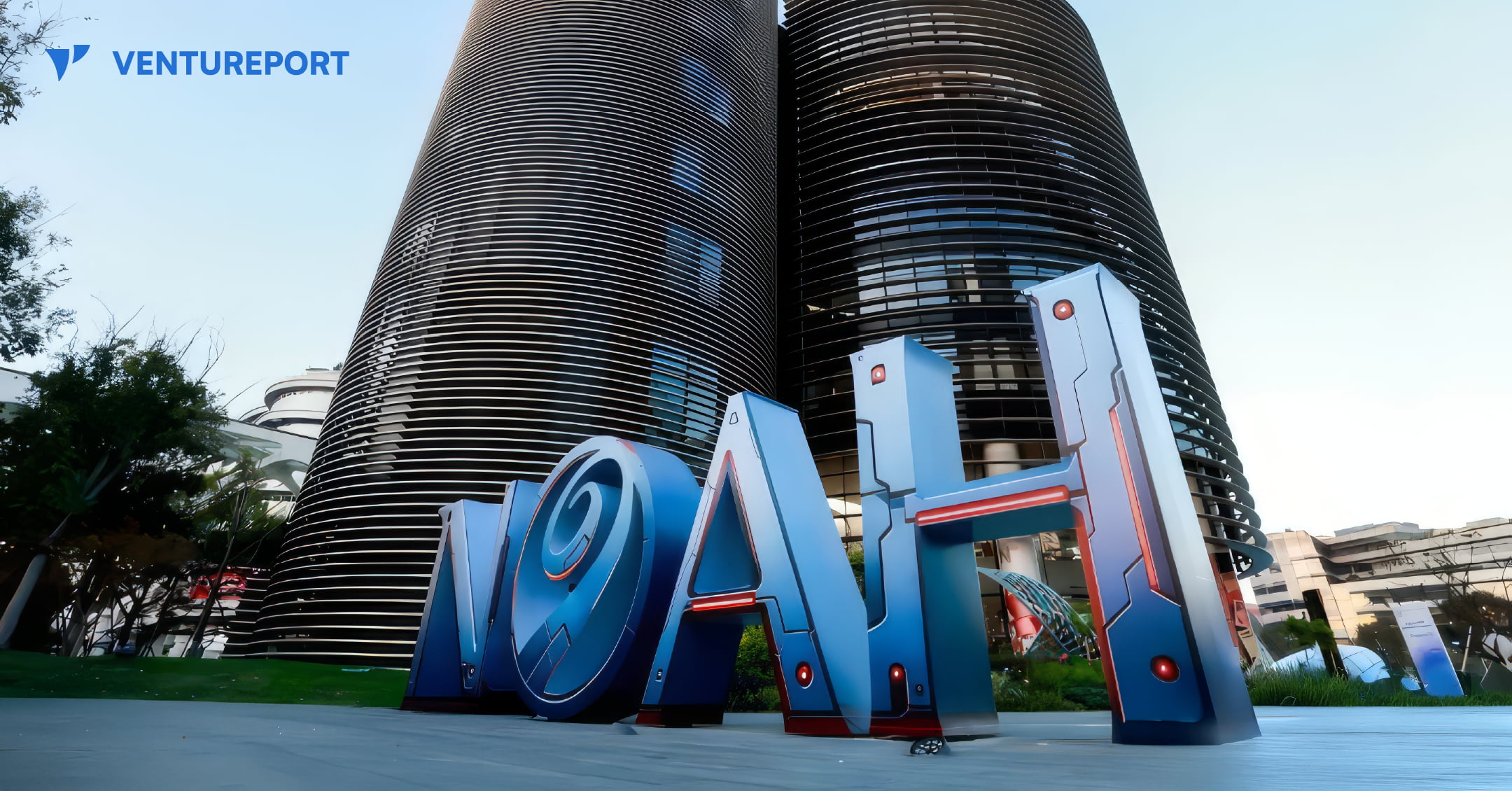
Noah’s Black Diamond Summit. PHOTO: ARK WEALTH
Noah Holdings, one of Asia’s leading wealth management firms serving global Chinese high-net-worth families, hosted its annual Black Diamond Summit in Macau from December 7–11. The city has become a significant gathering place for Noah’s community, where clients, partners, and experts converge each year to explore how global trends are transforming wealth and family life. This year’s theme, “AI Together, Co-Generating the Future”, set the tone for a conversation about how modern wealth management must adapt in an age defined by artificial intelligence.
More than 3,000 attendees joined discussions that connected technology, global mobility, and long-term family planning. The Summit built on earlier sessions held in Shanghai, creating a continuous dialogue around one central question: how can families prepare for a world that is becoming more digital, more complex and more interconnected?
A major moment came when Noah introduced “Noya”, its new AI Relationship Manager. Noya is now part of the upgraded iARK Hong Kong and Singapore apps. It is built to support licensed human advisors, not replace them. The goal is simple: combine human judgment with AI intelligence to help clients understand their wealth more clearly and manage it across borders. Noya offers real-time insights, deeper personalisation, cleaner access to global financial information, smoother coordination between regions, and end-to-end execution through Noah’s global booking centres.
The Summit’s tone shifted toward long-term thinking when Co-Founder and Chairwoman Norah Wang delivered her keynote, “From Chaos to Clarity: Building a Global Operating System for Wealth Management”. She reflected on twenty years of serving more than 400,000 clients and explained that families today face new pressures. As she put it, “The real pain point for Chinese families today is not investment performance, but navigating the growing complexities of a global lifestyle”. Her message was straightforward: wealth is no longer just about returns. It is about managing uncertainty in a world where technology, geopolitics, and mobility collide.
Wang described how two major shifts have shaped modern wealth—first the Internet Era, which changed how people built wealth, and now what she calls the AI Civilisation Era, which is changing how people must protect it. She outlined the forces that influence today’s decisions: geopolitical shifts, persistent inflation, the rising importance of security and supply-chain technologies, the spread of AI, and the need for stronger family governance across generations. Each of these factors adds complexity, and families need tools that help them see the bigger picture.
To respond to this reality, Noah presented its integrated global wealth infrastructure. It is built on three pillars:
Together, these pillars function as an AI-supported system designed to simplify global complexity and help families preserve long-term stability.
One of the most discussed conversations featured Noah’s CEO, Zander Yin, and Tony Shale, Co-Founder & Chairman of Asian Private Banker China. They spoke about how AI is transforming private banking in Asia. Their view was that wealth management is moving from a product-centred model to one led by insight, trust, and human-tech collaboration. AI may accelerate analysis, but human expertise will continue to guide judgment, relationships, and long-term strategy.
The closing message of the Summit centred on redefining what prosperity means in an AI-driven age. For Noah, wealth is no longer a destination. It is an ongoing journey through a world that is increasingly fast-moving and unpredictable. As Wang noted, “With AI reshaping the very foundations of civilisation, wealth and financial freedom represent not a static endpoint, but a continuous journey. Here, we find our purpose: to help global Chinese investors navigate an increasingly complex world and achieve true prosperity, supported by resilient wealth management infrastructure and deep human expertise”.
The Summit ended on that note—a reminder that the future of wealth is not only about financial assets, but about clarity, confidence and the ability to adapt as the world transforms.