
Bambi Dang's startup aims to turn attendees' needs into useful connections
Updated
November 26, 2026 2:58 PM

Bambi Dang, CEO of FunFox AI, during a panel discussion. PHOTO: BAMBI DANG
An attendee list may show someone's name, company and job title, but it may not tell you what they are looking for or whether they would be relevant to you.
That leaves attendees figuring out who is relevant, searching through attendee profiles and sending meeting requests themselves.
FunFox AI is Bambi Dang's attempt to take some of that work off attendees' hands. The startup is an AI matchmaking agent for professional events and communities, designed to help people find relevant connections based on their professional goals.
The process begins when an event organiser creates a FunFox link for a particular event and shares it with attendees. Attendees can then speak with FunFox's voice AI agent or type to share who they are, what they are working on, what they hope to achieve and the kind of people they want to meet. Dang prefers the voice-based approach because a natural conversation allows users to share more context than they might through a traditional form or static profile.
FunFox uses this information to identify relevant people within the event or community. Rather than simply matching people based on their profiles, it looks at what each person is seeking and what they can offer in return, creating matches based on mutual relevance.
Dang's experience in the startup ecosystem helped shape the idea. She worked in sales and marketing at an early-stage startup in Helsinki and later built an education platform for students preparing to study abroad. Through building companies and communities, she says she repeatedly saw how much value could come from putting the right people together.
Event organisers and community managers are FunFox AI's paying customers. They pay an annual subscription based on the number of events they organise and the total number of attendees, while attendees can use the platform without an additional fee.
However, getting organisers on board is not always straightforward. Many already rely on established event-management platforms that handle registration, ticketing, agendas and speakers. Dang says some of these providers have multi-year agreements with organisers, making it harder for FunFox to introduce another tool into their existing workflows. The challenge at the moment is to show organisers why they need a dedicated matchmaking solution alongside the systems they already use.
The company is now moving beyond its initial pilot stage. Dang said the pilot events have been successful and FunFox is entering its first agreements with paying customers, including startup ecosystems. The team is also working with these customers to organise events together.
For now, her focus remains on developing the product and working closely with customers. She is open to exploring investor interest further when the time is right.
Keep Reading
Here’s the story of how a quirky toy transformed into a worldwide phenomenon.
Updated
January 8, 2026 6:35 PM
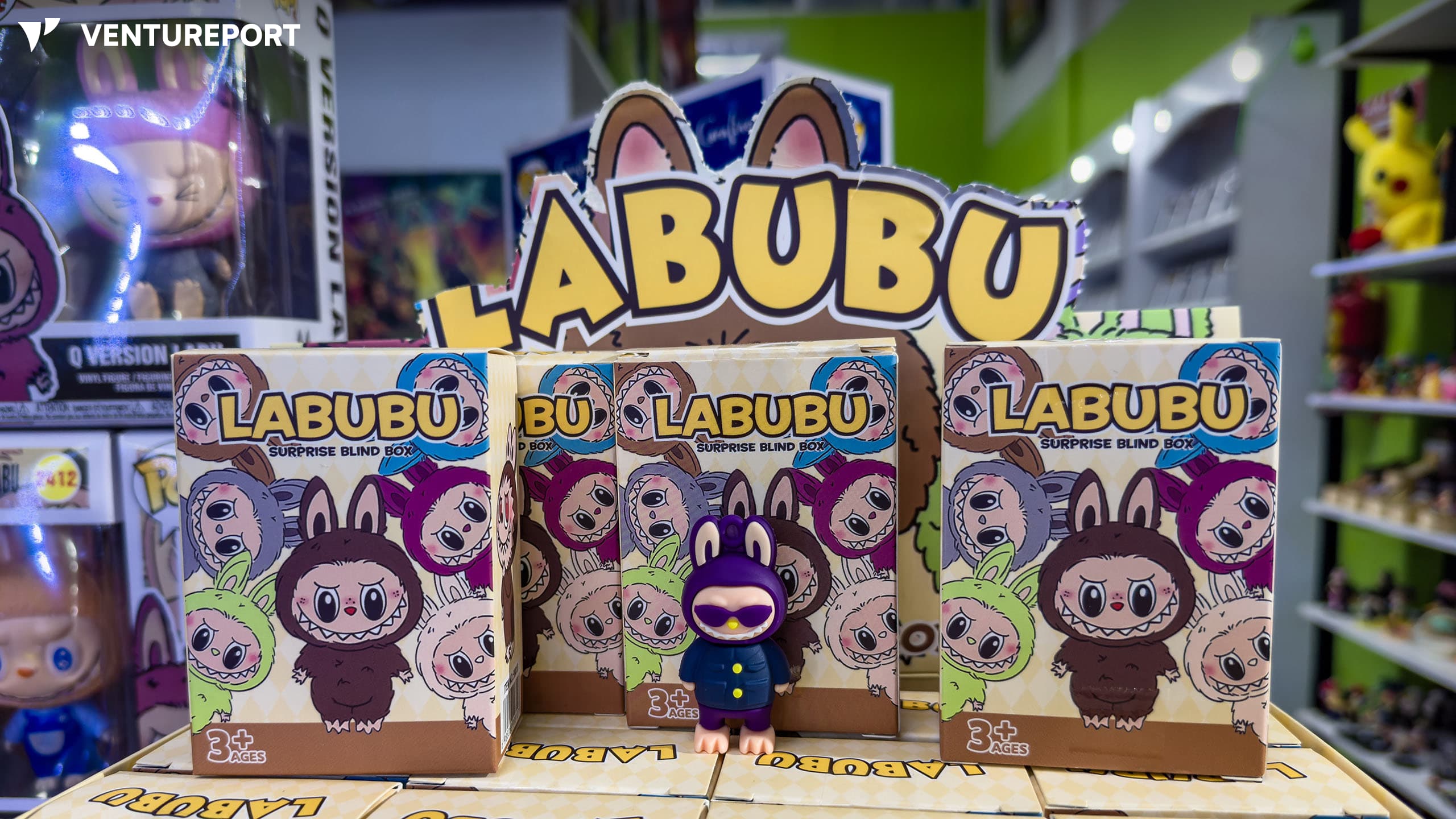
Labubu vinyl figure displayed with surprise blind boxes in a store in Guayaquil, Ecuador. PHOTO: ADOBE STOCK
Trends move fast. One moment it's Dubai’s viral “Kunafa” chocolate bar, the next it’s Labubu—a mischievous-looking doll—racks up US$670 million in revenue this year, even outpacing Barbie and Hot Wheels. Celebrities like BLACKPINK’s Lisa and Dua Lipa have been spotted with Labubu dolls—whether as bag charms or in playful social posts.
For those unfamiliar, Labubu is the breakout character from the book series“The Monster” by Hong Kong-born, Belgium-based artist Kasing Lung. Alongside Labubu, the series features other quirky monsters like Zimomo, Mokoko and Tycoco—often grouped together as “Labubus”. These vinyl Labubu figures first entered the collectible scene in 2011 as “Monsters”, produced by Hong Kong-based production house How2Work. In 2019, Lung signed an exclusive licensing deal with Pop Mart, a Beijing-based toy collectible company, which further boosted the recognition and popularity of the franchise.
At first glance, Labubu might seem like just another fad. But the craze shows something deeper: in digital marketing, virality doesn’t happen by accident. It’s the result of timing, relatability and the rway global communities amplify trends.
So, what can marketers learn from the Labubu phenomenon? Let’s take a closer look.
Labubu’s unconventional aesthetics—a notorious grin, sharp teeth and wide eyes—break the traditional mold of “cute” toys. The social listening report from Meltwater, a media intelligence company reveals that from January to May 2025, mentions of “cute” outnumbered “ugly” nearly five to one. This “ugly-cute” look gave Labubu its identity and helped it stand out in a crowded market.
Marketing lesson: In a world of where everything blends together on endless feeds, uniqueness wins. Standing out with bold, even unconventional design choices can spark curiosity and desire. By leaning into what makes a product different, brands create instant recognition and give people something worth talking about.
Labubu’s surge in popularity is deeply rooted in Pop Mart’s focus on building genuine relationships with its fans. The company encourages user-generated content— unboxings, fan art, influencer stories—that fueled Labubu’s spread online and build brand engagement. Fans weren’t just buying toys; they were becoming part of a community that celebrated each new design.
Marketing lesson: Customers don’t want to feel like faceless buyers. They want to feel seen, heard and part of something bigger. By encouraging engagement and valuing contributions, brands can turn casual customers into loyal advocates who spread the word on their behalf.
While Pop Mart notes Labubu is most popular among women aged 18–30, its audience has broadened beyond that group. The design draws on influences from Nordic mythology and East Asian “kawaii” culture, making it feel both familiar and new to global audiences.
For Millennials and Gen Xers, Labubu also sparks nostalgia for toy crazes like Tickle Me Elmo and Beanie Babies that once lit up childhoods before fading away. Together, these layers of cultural resonance and cross-generational charm give Labubu an unusually broad reach.
Marketing lessons: Relatability is a powerful driver of virality. When a product can connect across generations and cultures, it expands far beyond a niche fan base. Brands that blend familiarity with novelty can build bridges to much larger audiences.
Labubu’s blind box model makes buying feel like a game. The thrill of not knowing which design you’d unwrap made collecting Labubus fun. It also turns buying into an emotional experience rather than a rational choice, fueling the urge to complete entire collections.
Besides, the suspense itself became content—millions watched unboxing videos to share in the excitement. Even BLACKPINK’s Lisa admitted she began with “only three to four” Labubus but soon wanted “a whole box” of the latest collection.
Marketing lesson: Mystery creates excitement, and excitement drives repeat purchases. By adding an element of surprise, brands can make the buying experience feels less like a transaction and more like a story unfolding. That thrill keeps customers coming back and makes the product easy to share online.
Pop Mart releases Labubus in limited drops, often tied to holidays or cultural events. Some editions include ultra-rare “chase” figures—appearing only once in every 144 boxes—creating a strong sense of urgency and fear-of-missing out (FOMO) among buyers. This strategy fuels a booming resale market, where regular figures retailing at US$25 can sell for US$200–US$300, and rare editions have even fetched prices up to US$150,000.
Marketing lessons: Scarcity isn’t just about limiting supply—it’s about building anticipation. By tying releases to events and sprinkling in rare editions, brands keep fans watching for the next drop. This combination of urgency and exclusivity transforms ordinary products into must-have collectibles.
Labubu has expanded its reach through creative brand collaborations. For instance, the Labubu x Coca-Cola series features figures in iconic red-and-white themes, while a Vans Old Skool drop merged streetwear in the clothing brand’s notable checkerboard pattern with collectibles. The One Piece collaboration blended Labubu’s quirky style with beloved anime heroes, appealing to fans of both worlds.
Marketing takeaway: Collaborations breathe fresh life into a brand and open doors to new audiences. Partnering with well-known names adds cultural weight and collectible value, while keeping the brand relevant in different communities. Done right, collaborations turn niche products into mainstream sensations.
Labubu’s phenomenal success is more than a passing craze. It’s proof that bold design, authentic community building, clever scarcity and cultural collaborations can transform a quirky idea into a global movement.
For marketers, the takeaway is simple: don’t just chase trends—create something real and let your community shape the story with you. Be bold, stay authentic and bring your fans along for the ride. That’s how brands move from fleeting hype to lasting cultural icons.