
Bambi Dang's startup aims to turn attendees' needs into useful connections
Updated
November 26, 2026 2:58 PM

Bambi Dang, CEO of FunFox AI, during a panel discussion. PHOTO: BAMBI DANG
An attendee list may show someone's name, company and job title, but it may not tell you what they are looking for or whether they would be relevant to you.
That leaves attendees figuring out who is relevant, searching through attendee profiles and sending meeting requests themselves.
FunFox AI is Bambi Dang's attempt to take some of that work off attendees' hands. The startup is an AI matchmaking agent for professional events and communities, designed to help people find relevant connections based on their professional goals.
The process begins when an event organiser creates a FunFox link for a particular event and shares it with attendees. Attendees can then speak with FunFox's voice AI agent or type to share who they are, what they are working on, what they hope to achieve and the kind of people they want to meet. Dang prefers the voice-based approach because a natural conversation allows users to share more context than they might through a traditional form or static profile.
FunFox uses this information to identify relevant people within the event or community. Rather than simply matching people based on their profiles, it looks at what each person is seeking and what they can offer in return, creating matches based on mutual relevance.
Dang's experience in the startup ecosystem helped shape the idea. She worked in sales and marketing at an early-stage startup in Helsinki and later built an education platform for students preparing to study abroad. Through building companies and communities, she says she repeatedly saw how much value could come from putting the right people together.
Event organisers and community managers are FunFox AI's paying customers. They pay an annual subscription based on the number of events they organise and the total number of attendees, while attendees can use the platform without an additional fee.
However, getting organisers on board is not always straightforward. Many already rely on established event-management platforms that handle registration, ticketing, agendas and speakers. Dang says some of these providers have multi-year agreements with organisers, making it harder for FunFox to introduce another tool into their existing workflows. The challenge at the moment is to show organisers why they need a dedicated matchmaking solution alongside the systems they already use.
The company is now moving beyond its initial pilot stage. Dang said the pilot events have been successful and FunFox is entering its first agreements with paying customers, including startup ecosystems. The team is also working with these customers to organise events together.
For now, her focus remains on developing the product and working closely with customers. She is open to exploring investor interest further when the time is right.
Keep Reading
At under US$1,000, Hypernova isn’t just eyewear—it’s Meta’s push to make AR feel ordinary.
Updated
January 8, 2026 6:34 PM
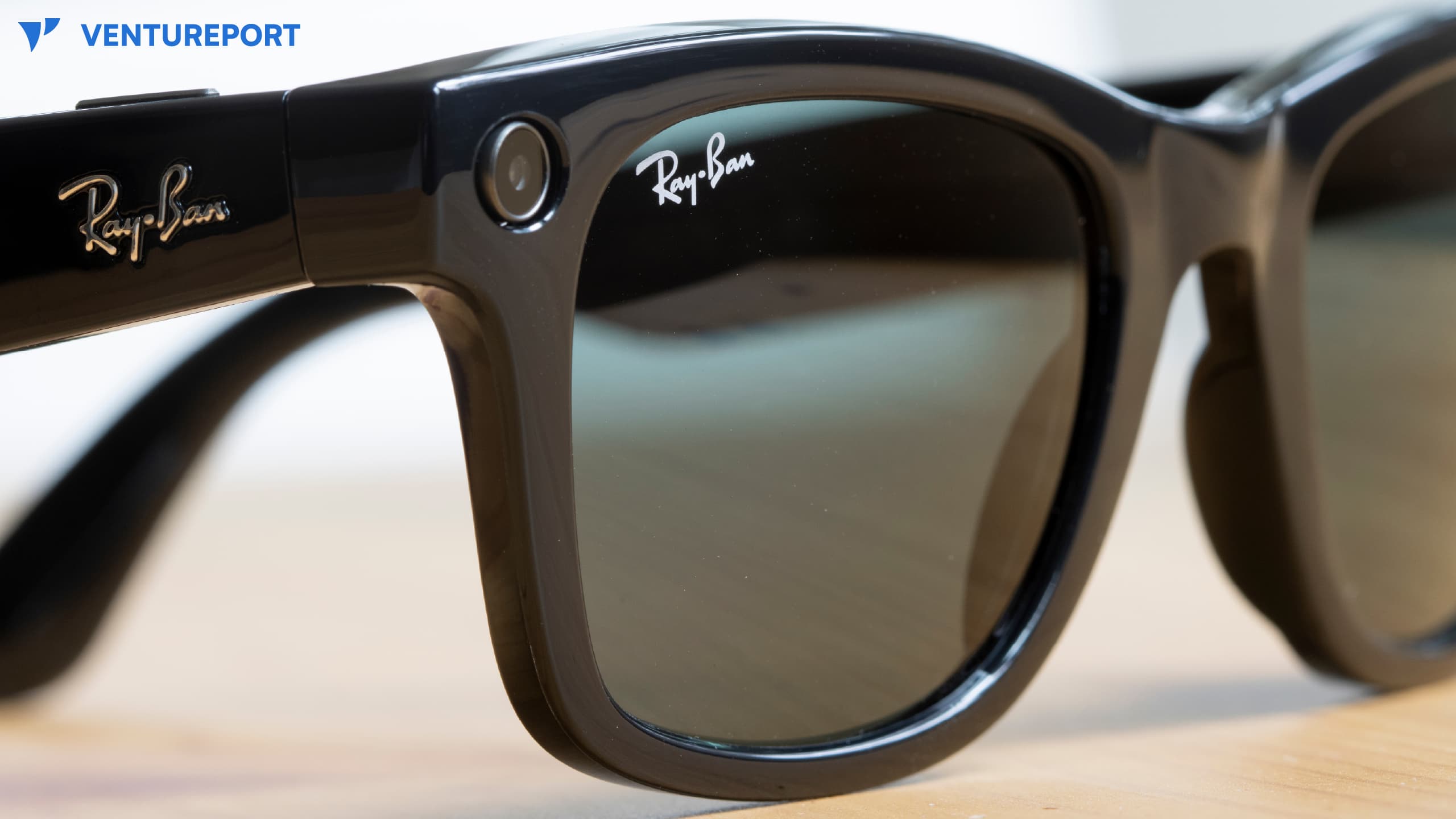
Closeup of the Ray-Ban logo and the built-in ultra-wide 12 MP camera on a pair of new Ray-Ban Meta Wayfarer smart glasses. PHOTO: ADOBE STOCK
Meta is preparing to launch its next big wearable: the Hypernova smart glasses. Unlike earlier experiments like the Ray-Ban Stories, these new glasses promise more advanced features at a price point under US$1,000. With a launch set for September 17 at Meta’s annual Connect conference, the Hypernova is already drawing attention for blending design, technology and accessibility.
In this article, let’s take a closer look at Hypernova’s design, features, pricing and the challenges Meta faces as it tries to bring smart glasses into everyday life.
Meta’s earlier Ray-Ban glasses offered cameras and audio but no display. Hypernova changes that: The glasses will ship with a built-in micro-display, giving wearers quick access to maps, messages, notifications and even Meta’s AI assistant. It’s a step toward everyday AR that feels useful and natural, not experimental.
Perhaps most importantly, the price makes them attainable. While early estimates placed the cost above US$1,000, Meta has committed to a launch price of around US$800. That’s still premium, but it moves AR smart glasses into reach for more consumers.
Hypernova weighs about 70 grams, roughly 20 grams heavier than the Ray-Ban Meta models. The added weight likely comes from added components like the new display and extra sensors.
To keep the glasses stylish, Meta continues its partnership with EssilorLuxottica, the company behind Ray-Ban and Prada eyewear. Thicker frames—especially Prada’s designs—help hide the hardware like chips, microphones and batteries without making the glasses look oversized.
The glasses stick close to the classic Ray-Ban silhouette but feature slightly bulkier arms. On the left side, a touch-sensitive bar lets users control functions with taps and swipes. For example, a two-finger tap can trigger a photo or start video recording.
Hypernova introduces something the earlier Ray-Ban glasses never had: a display built right into the lens. In the bottom-right corner of the right lens, a small micro-screen uses waveguide optics to project a digital overlay with about a 20° field of view. This means you can glance at turn-by-turn directions, check a notification or quickly consult Meta’s AI assistant without pulling out your phone. It’s discreet, practical and a major step up from the older models, which were limited to capturing photos and videos, handling calls and playing music via speakers.
Alongside the glasses comes the Ceres wristband, a companion device powered by electromyography (EMG). The band picks up the tiny electrical signals in your wrist and fingers, translating them into commands. A pinch might let you select something, a wrist flick could scroll a page, and a swipe could move between screens. The idea is to avoid clunky buttons or having to talk to your glasses in public. Meta has also been experimenting with handwriting recognition through the band, though it’s not clear if that feature will be ready in time for launch.
Meta doesn’t just want Hypernova to be useful—it wants it to be fun. Code found in leaked firmware revealed a small game called Hypertrail. It looks to borrow ideas from the 1981 arcade shooter Galaga, letting wearers play a simple, retro-inspired game right through their glasses. It’s not the main attraction, but it shows Meta is trying to make Hypernova feel more like a playful everyday gadget rather than just a piece of serious tech.
Hypernova runs on a customized version of Android and pairs with smartphones through the Meta View app. Out of the box, it should support the basics: calls, music and message notifications. Leaks suggest several apps will come preinstalled, including Camera, Gallery, Maps, WhatsApp, Messenger and Meta AI. A Qualcomm processor powers the whole setup, helping it run smoothly while keeping energy demands reasonable.
Meta is also trying to bring in outside developers. In August 2025, CNBC reported that the company invited third-party developers—especially in generative AI—to build experimental apps for Hypernova and the Ceres wristband. The Meta Connect 2025 agenda even highlights sessions on a new smart glasses SDK and toolkit. The push shows Meta’s interest in making Hypernova more than just a device; it wants a broader platform with apps that go beyond its own first-party software.
During development, Hypernova was rumored to cost as much as US$1,400. By pricing it around US$800, Meta signals that it wants adoption more than profit. The company is keeping production limited (around 150,000 units), showing it sees this as a market test rather than a mass rollout. Still, the sub-US$1,000 price tag makes advanced AR far more accessible than before.
Despite its promise, Hypernova may still face hurdles. The Ceres wristband can struggle if worn loosely, and some testers have reported issues based on which arm it’s worn on or even when wearing long sleeves. In short, getting EMG input right for everyone will be critical.
Privacy is another major concern. In past experiments, researchers hacked Ray-Ban Meta glasses to run facial recognition, instantly identifying strangers and pulling personal info. Meta has added guidelines, like a recording indicator light, but critics argue these measures are too easy to ignore. Moreover, data captured by smart glasses can feed into AI training, raising questions about consent and surveillance.
The Meta Hypernova smart glasses mark a turning point in wearable tech. They’re lighter and more stylish than bulky AR headsets, while offering real-world features like navigation, messaging and hands-free control. At under US$1,000, they aim to make AR glasses more than a luxury gadget—they’re a step toward everyday use.
Whether Hypernova succeeds will depend on how well it balances style, usability and privacy. But one thing is clear: Meta is betting that always-on, glanceable AR can move from science fiction to daily life.