
As industrial drone adoption grows, startups are finding bigger opportunities in infrastructure, inspections and field operations.
Updated
August 10, 2026 5:56 PM

An oil pump on a field. PHOTO: UNSPLASH
As drone adoption grows across industrial sectors, more startups are moving beyond hardware sales and into service-based business models. Instead of simply selling drones, companies are increasingly trying to build recurring revenue through inspection, mapping and infrastructure-monitoring services. That shift is shaping ZenaTech’s latest expansion strategy.
ZenaTech is a Vancouver-based startup that develops AI drone and Drone as a Service (DaaS) technologies. The company has signed an offer to acquire an Alberta-based land surveying and geomatics business operating across Western Canada. If completed, the deal would mark ZenaTech’s first land surveying acquisition in Canada and its first major push into the oil and gas sector.
The move gives the startup something more valuable than just another acquisition target. It provides direct access to an industry where drones are already becoming part of everyday operations.
The Alberta surveying company works with oil and gas producers across Alberta, Eastern British Columbia and Saskatchewan. Its services include land surveying, geomatics, mapping and environmental support for infrastructure and energy development projects.
According to ZenaTech, drones are already used in roughly 80 percent of the target company’s existing projects. That matters because it reduces the operational gap between traditional surveying work and AI-powered automation.
Rather than introducing drones into a completely manual workflow, ZenaTech is entering a business where drone-based data collection is already established. The startup says it plans to build on that foundation by integrating more AI-powered capabilities across surveying, mapping, inspections and infrastructure monitoring.
Shaun Passley, Ph.D., CEO of ZenaTech, said: "This proposed acquisition represents an important strategic expansion of our Drone as a Service business into Canada’s oil and gas sector, one of the most significant energy markets in North America. This company brings an established commercial customer base, strong regional expertise, and extensive experience supporting surveying and geomatics projects including for some large producers. We believe there is a significant opportunity to further enhance these services through AI-powered drone technology for surveying, mapping, inspections, and infrastructure monitoring applications, enabling us to establish a core expertise that we can bring to this fast-growing global industry."
The timing is also significant. ZenaTech pointed to estimates showing the global oil and gas drone inspection services market is currently valued at around US$ 2.3 billion and projected to grow at a compound annual growth rate of roughly 28.5 percent.
Much of that growth is being driven by energy companies looking for faster ways to inspect infrastructure, monitor remote sites and reduce manual field operations.
ZenaTech’s broader strategy centers around building a global DaaS network through acquisitions. Instead of creating local operations from scratch, the startup is acquiring existing service businesses with established customers and then layering drone automation and AI systems into those operations.
The company says its DaaS platform offers businesses and government clients subscription-based or on-demand drone services across areas such as inspections, surveying, maintenance, inventory management and precision agriculture.
The larger opportunity for startups in this space may not be drone manufacturing alone. Increasingly, the focus is shifting toward startups that can build scalable drone service networks and integrate them into industries that already rely on large-scale field operations. Oil and gas appear to be one of the next major targets for that expansion.
Keep Reading
A closer look at how startups are turning local AI into global opportunity
Updated
March 24, 2026 6:25 PM
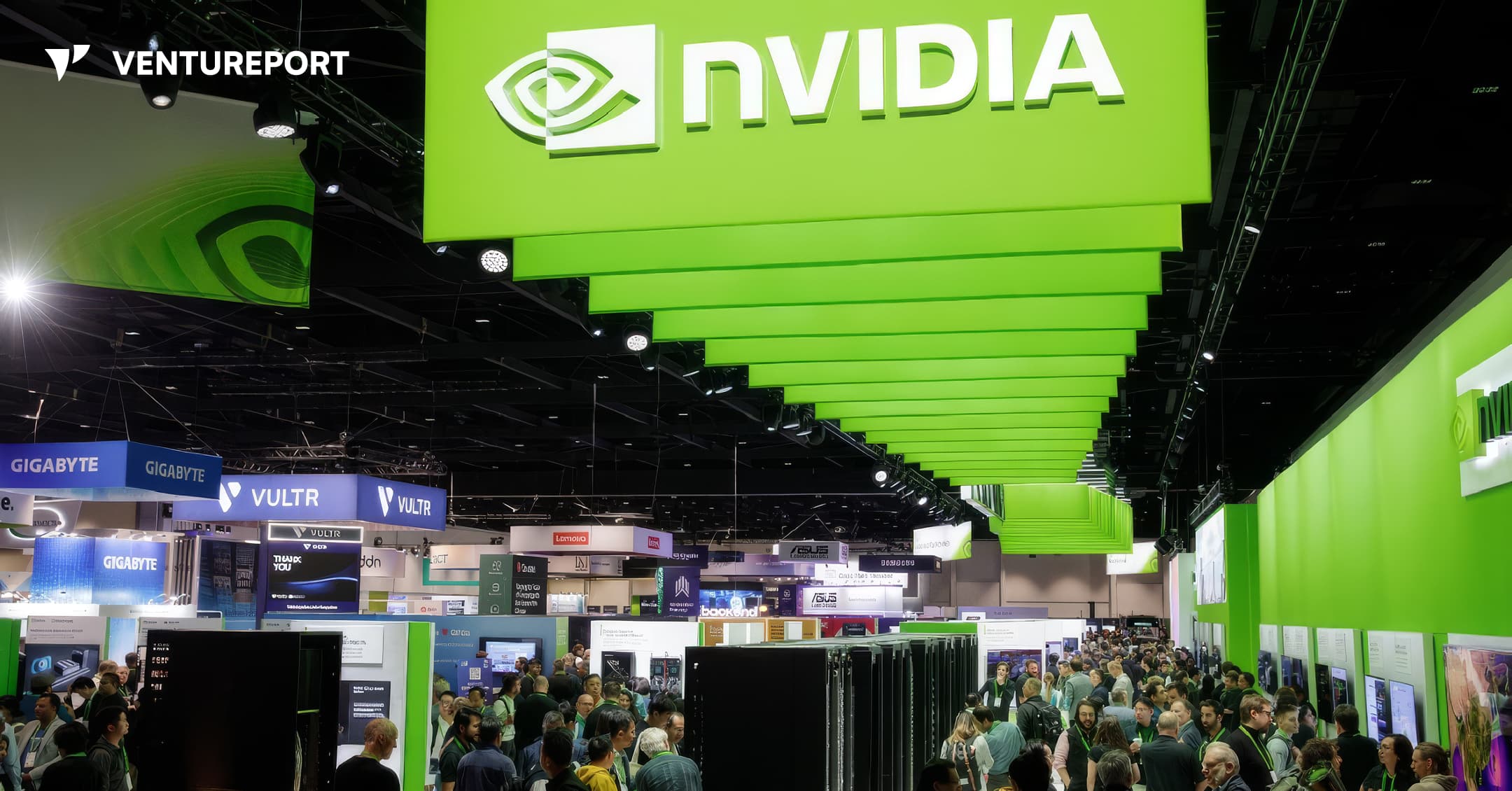
NVIDIA GTC 2026. PHOTO: NVIDIA
At NVIDIA GTC 2026 in Palo Alto, a group of 16 Taiwanese startups used the global AI stage to do more than showcase products—they tested how far their technologies could travel beyond domestic markets. The delegation, led by Startup Island TAIWAN Silicon Valley Hub with support from Taiwan’s National Development Council, reflected a broader shift in the country’s role within the AI ecosystem.
The startups represented a mix of emerging areas including digital twins, robotics, AI agents and healthcare, aligning closely with enterprise AI adoption trends. Some gained formal visibility within NVIDIA’s ecosystem, with companies such as MetAI and Spingence featured in the Inception Program, while six others presented their work in the conference’s poster gallery. These formats allowed them to engage directly with developers, enterprise users and potential partners rather than simply exhibiting technology.
A defining feature of Taiwan’s presence this year was how closely startups operated alongside established hardware companies such as ASUS, AAEON and Compal. This setup reflected a vertically integrated model where infrastructure and applications are developed together, offering a clearer path from product development to deployment. It also underscored Taiwan’s gradual shift from being primarily a hardware supplier to participating more actively across the full AI stack.
Activity around the conference extended well beyond the exhibition floor. A Taiwan Demo Day held during the week drew more than 1,000 registrations and nearly 600 in-person attendees, bringing startups into contact with close to 200 international investors. The event focused on structured introductions and deal flow, positioning startups in front of venture firms and corporate innovation teams looking for AI applications.
Alongside these formal sessions, Taiwan Startup Night provided a more informal but equally strategic setting. With over 100 curated participants, including founders, investors and corporate representatives, the gathering created space for early-stage conversations that could evolve into partnerships or market entry opportunities. These interactions, while less visible than on-stage presentations, are often where initial collaboration takes shape.
Taken together, the events around GTC point to a more coordinated approach to international expansion. Through platforms like Startup Island TAIWAN, the emphasis is not just on visibility but on building continuity—connecting startups with investors, partners and customers across multiple touchpoints in a single week. As AI development increasingly spans chips, systems and applications, Taiwan’s presence at GTC suggests a more integrated role, where the focus is as much on enabling global deployment as it is on developing the technology itself.