
The new workplace literacy is here, and it’s digital.
Updated
January 8, 2026 6:36 PM
.jpg)
A group of office worker attending a presentation in a meeting room. PHOTO: UNSPLASH
The modern workplace is powered by technology, and success increasingly depends on how well employees can use it. Digital fluency—the ability to confidently and effectively use digital tools to achieve goals—is no longer a bonus skill; it’s a necessity. It goes beyond basic technical know-how, encompassing the ability to adapt to new technologies, integrate them into workflows, and use them to solve problems and drive innovation.
Yet, despite its importance, many organizations struggle to build digital fluency across their teams. Barriers such as limited access to technology, outdated training programs, resistance to change, and gaps in leadership support often stand in the way. These challenges can leave businesses lagging behind competitors who are better prepared to leverage the potential of the digital age.
Understanding and addressing these barriers is critical for creating a workforce that thrives in today’s fast-changing world. Below, we explore the key obstacles to digital fluency and provide actionable strategies to overcome them.
One of the challenges to digital fluency is the gap between the technology available and employees’ ability to use it effectively. Technology evolves rapidly, but many organizations lag behind in providing relevant, up-to-date training. Employees may receive a one-time introduction to new tools but lack ongoing opportunities to build confidence or master advanced features.
This issue is compounded by the fact that training often takes a one-size-fits-all approach, failing to address the diverse skill levels within a workforce. For example, while some employees may only need a basic overview of a tool, others may require in-depth knowledge to integrate it into their roles effectively. Without tailored and continuous training, even the most advanced tools can go under utilized, leading to frustration and resistance.
Even with proper training, employees may hesitate to adopt new technologies. Resistance to change is a deeply rooted challenge that goes beyond technical skills—it’s tied to fear of failure, skepticism about the value of new tools, or discomfort with disrupting existing workflows.
For example, employees who have been using the same systems for years may feel overwhelmed by the idea of learning something new. They may worry that new technologies will complicate their work rather than simplify it. In some cases, they may even feel their jobs are threatened by automation or digital tools.
This resistance isn’t limited to employees—it can also exist at the leadership level. If leaders themselves are hesitant to adopt new approaches, it creates a top-down culture that stifles innovation.
The lack of organizational alignment is another significant barrier. Digital tools often roll out unevenly across departments, leading to fragmented adoption. For instance, one team might embrace a new project management tool, while another continues to rely on spreadsheets. This inconsistency creates silos, disrupts collaboration, and makes it harder for organizations to achieve the full benefits of digital transformation.
Generational differences can further exacerbate this issue. Younger employees, who are often more comfortable with technology, may adopt new tools quickly, while older employees may struggle to keep up. This divide can lead to frustration on both sides and uneven levels of digital proficiency across the organization.
Leadership plays a critical role in driving digital transformation, but in many organizations, this support is inconsistent or absent. Some leaders fail to prioritize digital fluency as a strategic initiative, while others may not fully understand the tools themselves, making it difficult to set an example for their teams.
Without clear direction from leadership, employees may not see digital fluency as a priority. This lack of alignment can lead to half-hearted adoption, where technology is seen as an optional add-on rather than a fundamental part of the organization’s success.
These barriers don’t exist in isolation—they are deeply interconnected. For example, outdated training practices can fuel resistance to change, while fragmented adoption across teams is often a symptom of weak leadership support. Together, they create a cycle that limits an organization’s ability to adapt, innovate, and thrive in a fast-changing world.
Addressing these challenges is critical for building a workforce that is confident, capable, and ready to embrace the future. By breaking down these barriers, organizations can unlock the full potential of their teams and position themselves for long-term success.
Training should not be an afterthought or a one-time event—it must be a continuous and personalized process. Employees come with diverse skill levels, and a one-size-fits-all training program often fails to address these differences. Organizations should adopt a multi-pronged approach to training, offering workshops for hands-on learners, e-learning modules for self-paced learning, and one-on-one coaching for employees who need more targeted support.
For example, companies like AT&T have invested heavily in workforce retraining initiatives, providing employees with a structured path to build digital skills overtime. These programs not only improve employee confidence but also help organizations fully leverage their digital tools.
Moreover, training programs should evolve to keep up with technological advancements. Employees need regular refreshers to stay current, as even the most advanced tools can become obsolete or under utilized without proper guidance. By making training a core part of the organizational culture, companies can empower employees to adapt to new tools with ease and confidence.
Resistance to change is a major barrier to digital fluency, often fueled by employees’ fear of failure or inefficiency when using new tools. To address this, organizations should foster a culture where employees feel safe experimenting with technologies in low-stakes environments, such as “sandbox environments” that allow for practice without affecting real workflows. When employees are encouraged to test new tools and processes in a low-stakes environment, they become more comfortable with technology over time.
Recognizing and rewarding employees who embrace new tools or suggest innovative ways to use them reinforces this mindset. Early adopters can serve as champions for digital fluency, encouraging others to engage with and explore new technologies.
By normalizing experimentation, organizations can shift employees from resisting change to confidently adopting digital tools as opportunities for growth.
To avoid fragmented adoption, organizations must ensure that digital tools are implemented consistently across teams. This requires clear communication, cross-departmental collaboration, and alignment on how tools will be used to achieve shared goals.
Mentorship programs can help bridge generational divides, pairing younger employees with older colleagues to share knowledge and skills.
Leaders play a pivotal role in overcoming barriers to digital fluency. They don’t just drive the adoption of digital tools—they shape how employees perceive and engage with them. When leaders actively embrace technology, they demonstrate its value and set a standard for others to follow.
Leadership involvement must go beyond symbolic gestures. Employees are far more likely to adopt new tools or processes when they see their leaders using them effectively in day-to-day work. For example, a manager who uses a team collaboration platform to streamline communications or leverages data visualization tools in meetings signals the practical benefits of these technologies. This hands-on engagement builds trust and encourages others to follow suit.
Equally important is leaders’ ability to connect digital tools to broader organizational goals. Employees need to understand how these tools contribute to solving real problems, improving workflows, or driving innovation. When leaders clearly communicate the "why" behind digital initiatives, it helps employees see digital fluency as a shared mission rather than an abstract directive.
Digital fluency isn’t just about mastering tools—it’s about creating a workplace where adaptability, curiosity, and collaboration thrive. It’s about empowering employees to see technology not as a hurdle but as an opportunity to innovate, grow, and solve problems in new ways.
At its heart, digital fluency is a shared effort, requiring leaders who inspire, teams that align, and cultures that embrace experimentation and learning. When organizations commit to breaking down barriers—whether through better training, stronger leadership, or fostering collaboration—they unlock the full potential of their people and their tools.
The future belongs to organizations that don’t just adopt technology but embed it into their culture, enabling their teams to thrive in an ever-changing digital landscape. The question now is not whether we can keep up with change, but how far we can go when we embrace it fully.
Keep Reading
The Canberra biotech startup is helping processors detect spoilage risks before milk reaches the shelf.
Updated
August 13, 2026 1:01 AM

CYBERTONGUE® Food Testing System, developed by PPB Technology. IMAGE: PPB Technology
Anyone who has opened a carton of milk before its expiry date only to find that it smells off or tastes bitter has experienced the problem firsthand. For dairy processors, the same issue can play out across thousands of litres. Milk may pass routine quality checks, make it through production and still spoil before reaching the end of its expected shelf life.
CYBERTONGUE®, a biosensing platform, is designed to give dairy processors an earlier warning.
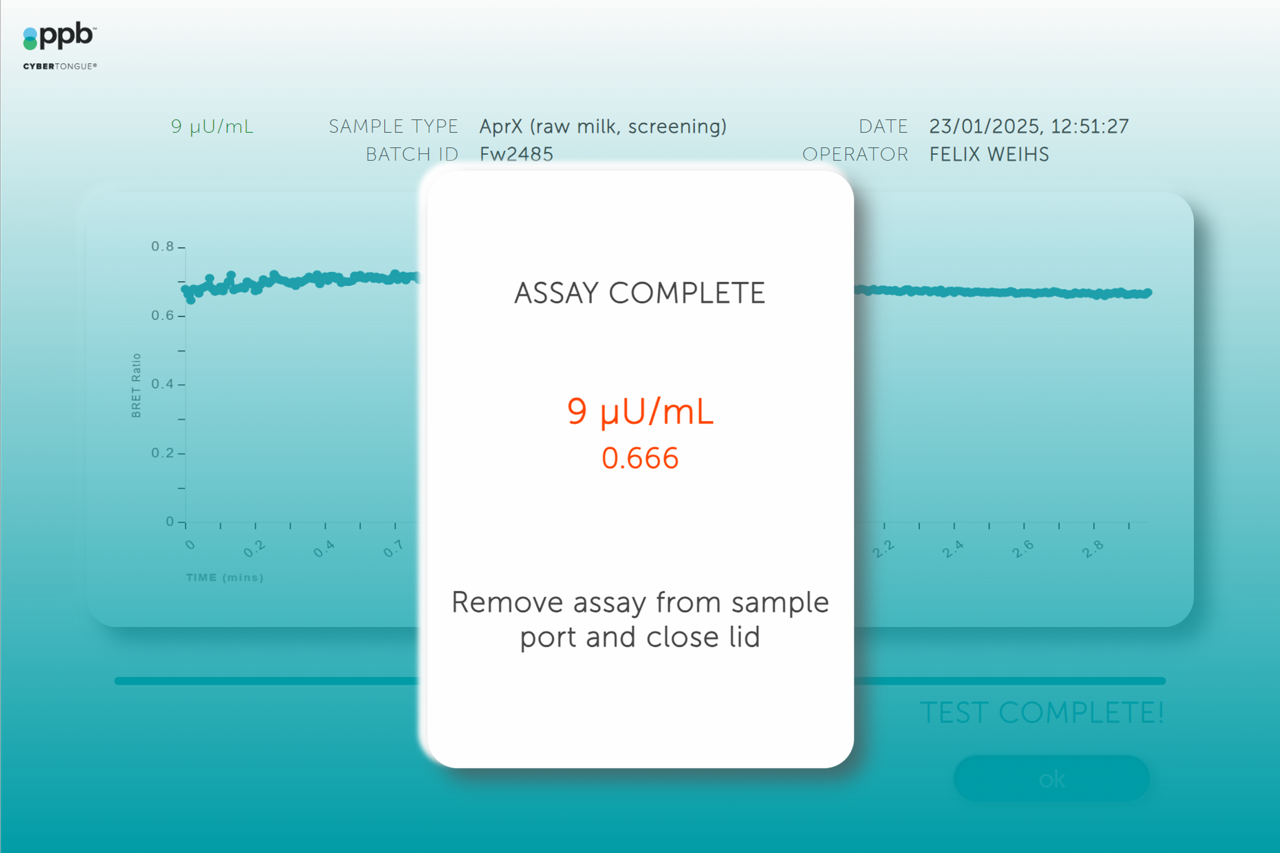
Developed by Canberra-based biotech startup PPB Technology, the compact food testing system allows processors to analyse milk on-site and receive results within minutes. Its first commercial application detects protease, an enzyme linked to spoilage, shorter shelf life and production losses across dairy products.
Dairy companies already test milk for fat, protein, bacteria, antibiotics and other indicators. Samples from individual farms may be sent to central laboratories, while tanker loads are tested again when they reach processing plants. These checks provide useful information, but they do not always show whether milk will remain stable in a UHT carton, meet a supermarket’s shelf-life requirements or produce the expected amount of cheese.
Even after heat treatment, protease can continue affecting milk. For processors making UHT milk, fresh milk or mature cheese, that creates a costly blind spot.
“Right now, dairy processors are working blind on this,” PPB Technology founder Stephen Trowell told Ventureport. “It’s becoming more of a problem as customers expect longer shelf lives and higher quality.”
CYBERTONGUE® uses engineered biosensing proteins that emit blue and green light. The balance between the two colours changes when the protein reacts with a target substance. The reader measures that shift and calculates how much of the target is present.
Trowell describes himself as a protein engineer at heart. He spent around three decades at CSIRO, Australia's national science and technology agency, and close to four decades in research before becoming a startup founder. The technology behind CYBERTONGUE® grew out of years of biological research, including earlier experiments involving wine aromas and explosives detection.
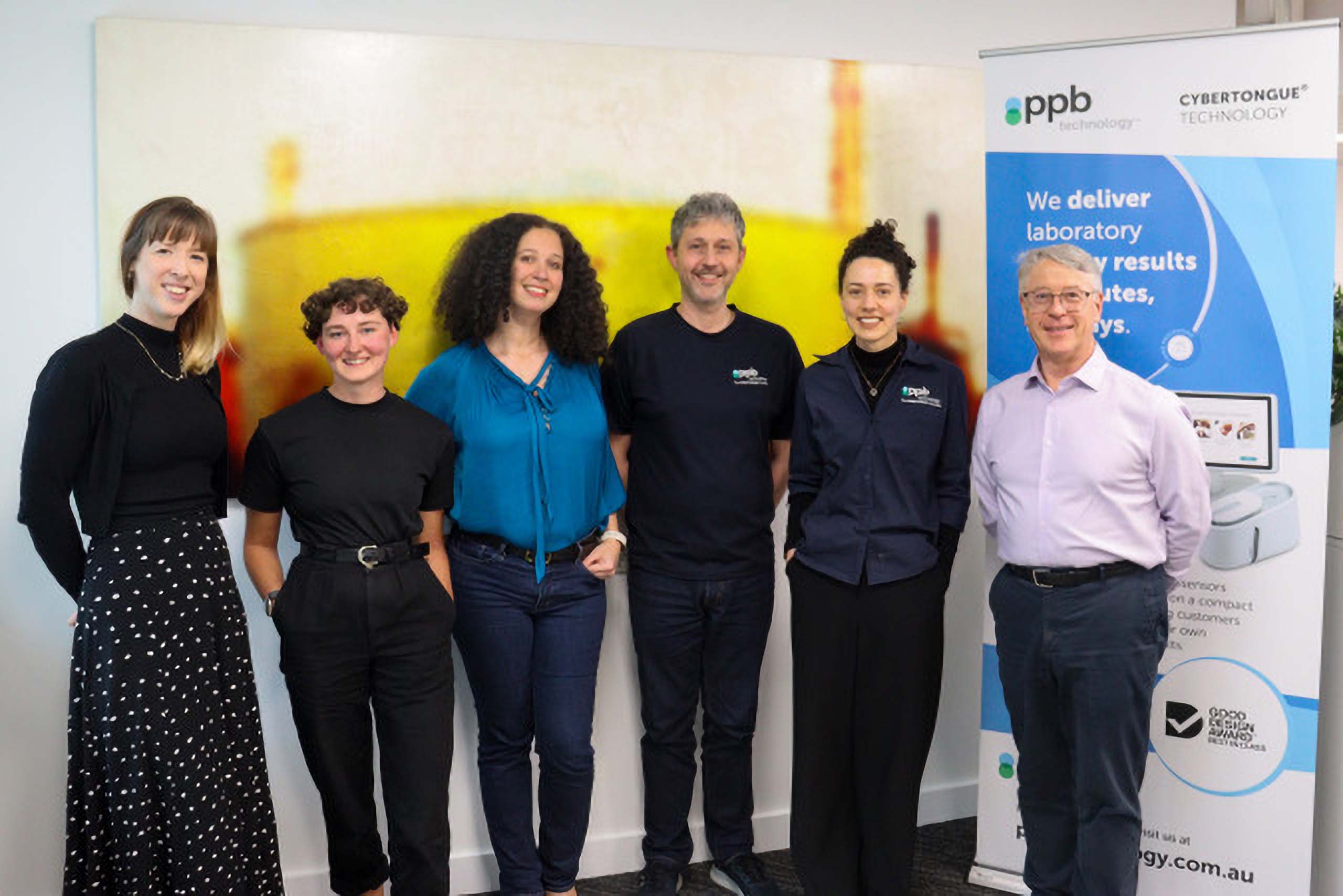
PPB initially developed its technology to measure plasmin, an enzyme derived from cows. After feedback from the dairy industry, the company shifted its focus to bacterial proteases, which were identified as a more pressing spoilage problem. The platform can make some existing tests faster, but PPB chose to focus first on a measurement previously unavailable to processors.
“Where we’ve chosen to lead is with a measurement nobody else can do at all,” he said. “The blue ocean, if you like.”
That focused entry point shapes PPB’s wider strategy. CYBERTONGUE® could eventually test for lactose, allergens, microbial toxins and other targets. Yet launching everything at once would stretch a six-person company too far. Protease gives it a clear route into dairy, where the financial value is easier to demonstrate.
A processor that detects high protease activity may redirect a batch of milk away from long-life products and use it for yoghurt, curd or another product where the enzyme causes less damage. PPB also says its tests can help trace problems in the milk supply and detect biofilms on processing equipment, allowing factories to take corrective cleaning measures.
Fresh milk presents another sizeable opportunity, with the global market estimated at around US$81 billion in 2026 and projected to grow at 6.83% annually through 2035. At that scale, even small gains in shelf-life consistency could prevent substantial losses. Supermarkets often require milk to have a minimum amount of shelf life remaining on delivery. Products that fall short may be rejected, discounted or discarded at the processor’s expense. While Australian processors typically aim for a shelf life of 19 to 21 days, they do not always achieve it. CYBERTONGUE® could help them reach that target more consistently.
Cheese producers face a related issue. Protease can create bitter flavours in hard cheeses and reduce production yield. Cheesemakers add another enzyme, chymosin, during production, often without knowing how much protease activity is already present in the milk. Better information could help them adjust the process and get more value from the same raw material.
PPB sells the reader as laboratory equipment, but its long-term business model centres on repeat testing. Customers buy the machine, then purchase a PPB reagent cartridge each time they run an assay. Future tests are intended to work on the same reader, making the system more useful as the catalogue expands.
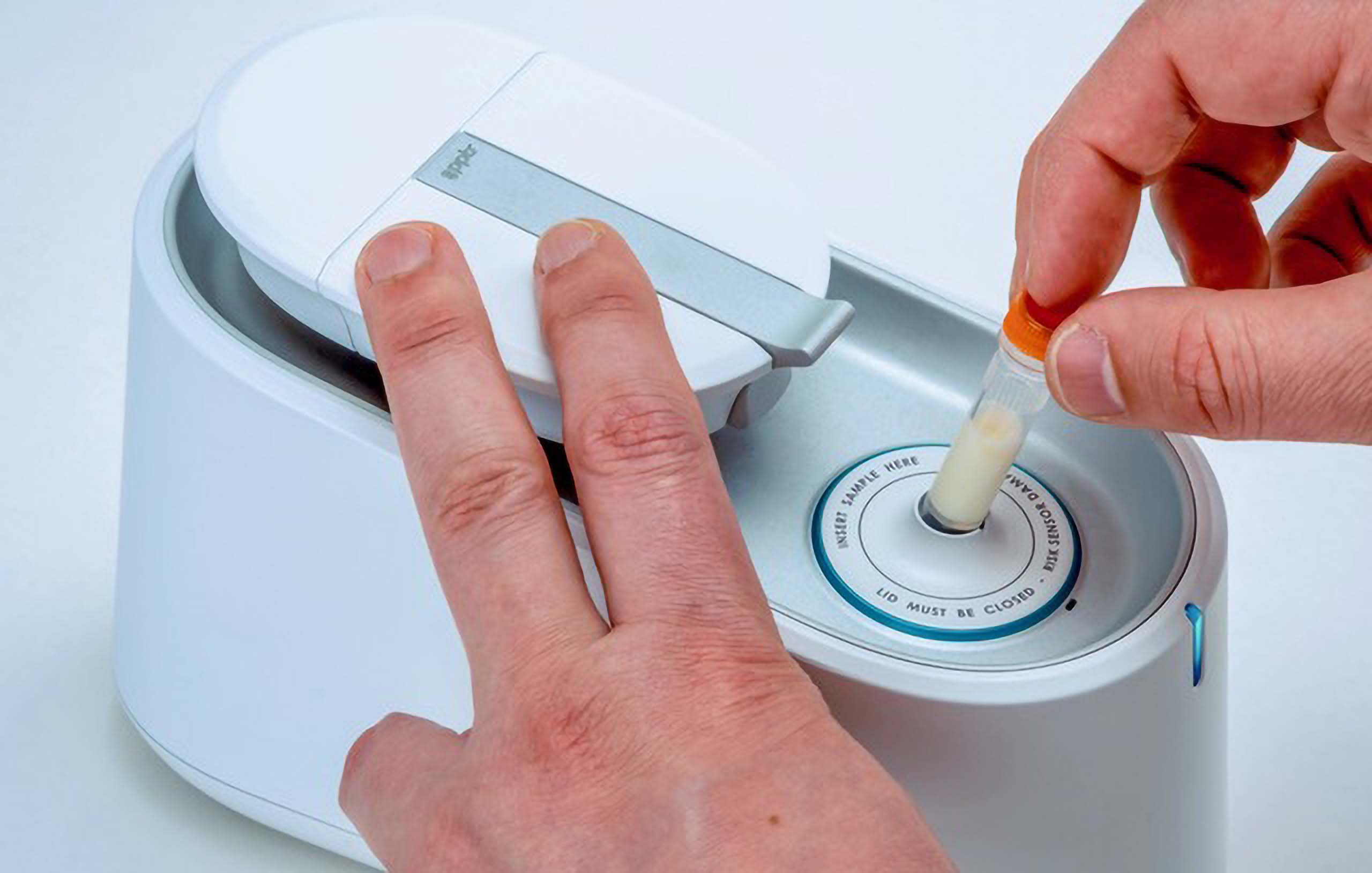
CYBERTONGUE®’s compact design reflects PPB’s focus on practical onsite testing. The device is small enough to fit into two cupped hands and comes with a tablet running PPB’s software.
At the time of the interview, 13 to 15 systems had been installed with paying customers. PPB had made sales in 11 countries across five continents, with Europe as its largest market.
Trowell describes PPB as “born global”. While Australia and New Zealand have sophisticated dairy industries, Trowell thinks CYBERTONGUE® may offer even more value in regions where milk quality is less consistent, transport routes are longer or refrigeration is harder to maintain.
Trowell also believes PPB has a strong competitive moat, with the combination of manufacturing both the hardware and consumable reagents. Patents form one layer, but he does not consider legal protection sufficient on its own. A competitor would need expertise in protein engineering, reagent production, optical hardware, software and dairy processing.
Calibration adds another barrier. For each new box of reagents, PPB securely uploads the required calibration data to the customer’s machine. A third party could not simply manufacture a cartridge with the same dimensions and expect it to work correctly.
“We own the whole stack,” Trowell said, referring to everything from the sensing molecule to the hardware, software and cloud platform.
That said, he accepts that no technology is impossible to copy. His view is that PPB’s mix of scientific knowledge, integrated system and experience in dairy gives it enough of a head start to build a meaningful position before competitors catch up.
The technology could eventually reach beyond food. Trowell sees possible uses in environmental testing, veterinary care and medical diagnostics, including the analysis of blood, serum or saliva. PPB has already discussed potential applications with organisations outside the food industry.
For now, however, moving directly into clinical diagnostics would create more risk than opportunity. Medical products can require years of trials, extensive regulatory work and large development budgets. PPB would also need to build new sales channels and choose between many possible clinical uses without knowing which one would attract the strongest demand.
For these reasons, food testing offers PPB a clearer path. The regulatory barriers are generally lower, customers have immediate operational problems, and PPB has already built relationships in dairy. Once the platform has proved itself commercially, the company could enter other sectors through partnerships or licensing.
Trowell has held that view for years. The immediate goal is to build a successful food testing company rather than chase the prestige often attached to medical biotechnology.
The opportunity may also expand as food production becomes more complex. Dairy factories increasingly process oat, soy and other alternatives on equipment that also handles cow’s milk. This creates cross-contamination and allergen risks, offering another potential use for CYBERTONGUE®.
PPB still has plenty to prove. It must secure repeat reagent orders, convert early trials into wider deployments and expand its test catalogue without compromising accuracy. Scaling an integrated biotech hardware business across international markets will not be simple.
Still, its approach offers a useful lesson for other deep-tech startups. Instead of beginning with every possible application, PPB picked a specific problem that costs customers money today. It built a product around that pain point, then used the same technology as the foundation for a broader platform.
As Trowell put it, customers “need it fast, and they need it right.” CYBERTONGUE® is betting that food testing can deliver both.