
From generative AI to green energy, 15 finalist teams will take the stage after a record 390 teams entered this year's competition.
Updated
October 2, 2026 9:13 AM
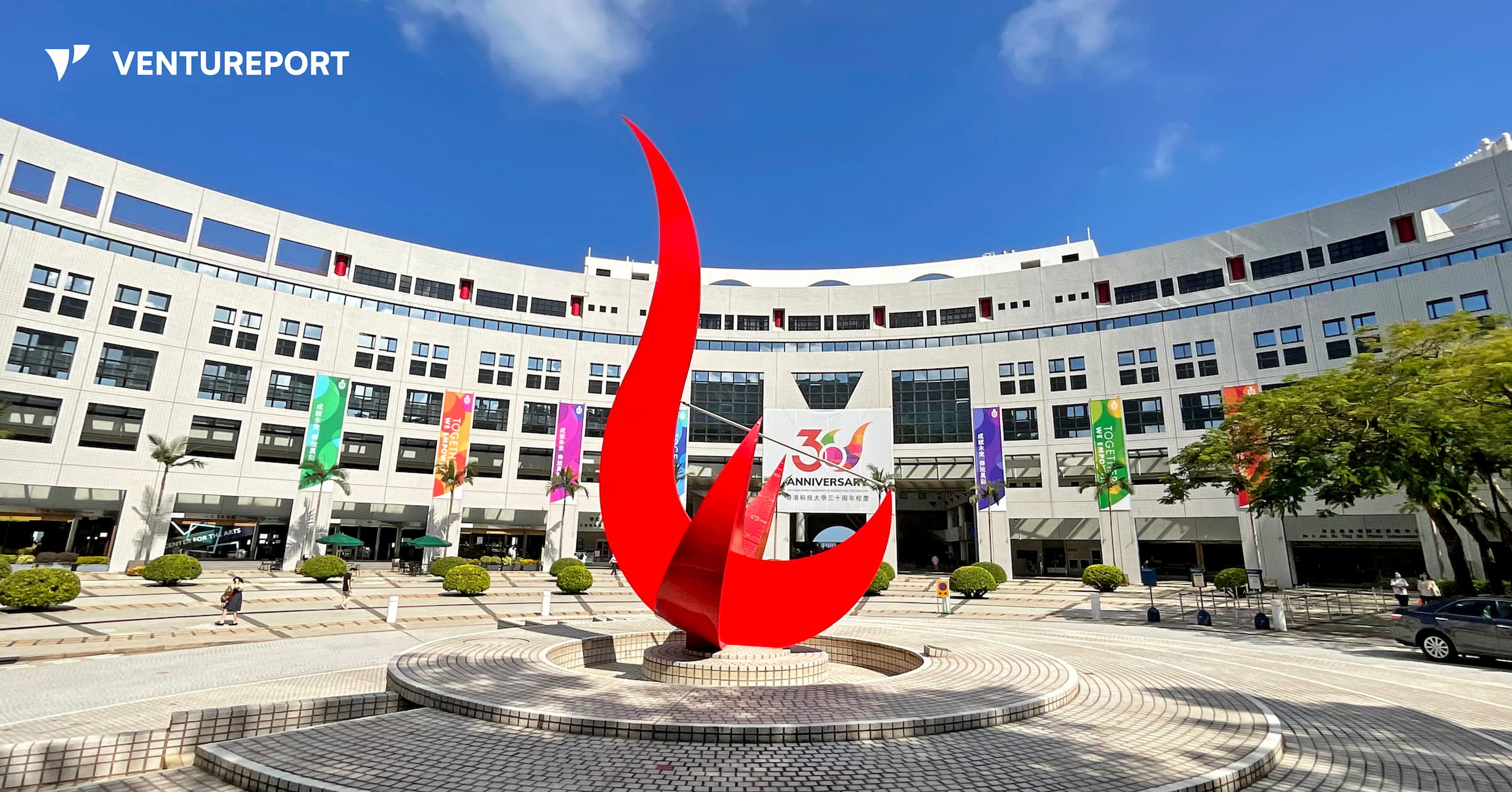
Entrance Piazza, Hong Kong University of Science and Technology. PHOTO: HKUST
The HKUST-Sino Million Dollar Entrepreneurship Competition 2026 will hold its finals on October 12, following a record 390 teams from 24 countries and regions taking part in this year's competition.
Jointly organised by the Hong Kong University of Science and Technology (HKUST) and Sino Group, the competition aims to give young entrepreneurs a platform to develop and present their ideas. Sino Group Deputy Chief Executive Officer Wong Wing-lung said the Group has partnered with HKUST for many years to support young talent and the development of innovation and technology in Hong Kong.
He said the competition gives young entrepreneurs a platform to showcase their creativity, exchange ideas and put their concepts into practice.
The international participation is reflected in the universities and regions represented this year. Participants include students from the University of Oxford in the UK, the University of Pennsylvania in the US and the National University of Singapore. Teams have also joined from Australia and South Africa.
After multiple rounds of assessment, 15 teams have advanced to the finals. Their projects cover health technology, generative AI, smart buildings, and green energy management. At the finals, the teams will present their solutions to a judging panel comprising venture capital investors, industry leaders and academic experts. They will compete for more than HK$1 million in prizes and awards.
The 2026 competition has also expanded the areas it recognises. Three new awards have been introduced this year: the Transformative AI Award, the NextGen Biotech Award and the Societal Influential Award. The competition will also continue to offer the Sustainability Impact Award. Together, the awards focus on areas ranging from emerging technologies to social and sustainability challenges.
The organisers are also adding new activities to help teams develop their ideas further. This year's programme includes pitching skills training, AI workshops, investor matching sessions and mentorship opportunities. The AI workshops will cover areas including generative AI and AI agents, while representatives from venture capital firms such as Gobi Partners and InnoAngel Fund have been invited to share insights on fundraising, product positioning and market expansion.
These activities are intended to help young entrepreneurs strengthen their business plans and presentation skills. They also give teams opportunities to explore technology commercialisation and potential market applications.
The competition will also launch the InnoBay 1M PLUS Program during the Grand Final. The programme will focus initially on Smart City Development and aims to connect HKUST start-ups and competition alumni with industry partners. It will also support potential proof-of-concept opportunities and help promising innovations move towards commercial adoption.
The Grand Final will also include an audience voting segment. Members of the public will be able to vote for the team they believe has the greatest potential and impact, with those who correctly vote for an eventual winning team entering a lucky draw.
For Wong, the competition is part of a broader effort to develop Hong Kong's innovation and technology talent. He noted that Hong Kong's first Five-Year Plan and latest Policy Address both highlight innovation, technology and talent development.
Prof. Tim Cheng Kwang-Ting, HKUST's Vice-President for Research and Development, said the competition has also served as a platform for aspiring entrepreneurs to connect with investors, understand market needs, test their ideas and gain practical entrepreneurial experience. He added that the competition has strengthened its training, mentorship and networking activities this year.
The Group believes that closer cooperation between industry, academia and research institutions can help turn innovative ideas into practical applications. Through the competition and its wider support programmes, young entrepreneurs are given opportunities to develop their ideas, connect with potential partners and explore how they can be taken from early concepts towards real-world applications.
Keep Reading
Here’s the story of how a quirky toy transformed into a worldwide phenomenon.
Updated
January 8, 2026 6:35 PM
.jpg)
Labubu vinyl figure displayed with surprise blind boxes in a store in Guayaquil, Ecuador. PHOTO: ADOBE STOCK
Trends move fast. One moment it's Dubai’s viral “Kunafa” chocolate bar, the next it’s Labubu—a mischievous-looking doll—racks up US$670 million in revenue this year, even outpacing Barbie and Hot Wheels. Celebrities like BLACKPINK’s Lisa and Dua Lipa have been spotted with Labubu dolls—whether as bag charms or in playful social posts.
For those unfamiliar, Labubu is the breakout character from the book series“The Monster” by Hong Kong-born, Belgium-based artist Kasing Lung. Alongside Labubu, the series features other quirky monsters like Zimomo, Mokoko and Tycoco—often grouped together as “Labubus”. These vinyl Labubu figures first entered the collectible scene in 2011 as “Monsters”, produced by Hong Kong-based production house How2Work. In 2019, Lung signed an exclusive licensing deal with Pop Mart, a Beijing-based toy collectible company, which further boosted the recognition and popularity of the franchise.
At first glance, Labubu might seem like just another fad. But the craze shows something deeper: in digital marketing, virality doesn’t happen by accident. It’s the result of timing, relatability and the rway global communities amplify trends.
So, what can marketers learn from the Labubu phenomenon? Let’s take a closer look.
Labubu’s unconventional aesthetics—a notorious grin, sharp teeth and wide eyes—break the traditional mold of “cute” toys. The social listening report from Meltwater, a media intelligence company reveals that from January to May 2025, mentions of “cute” outnumbered “ugly” nearly five to one. This “ugly-cute” look gave Labubu its identity and helped it stand out in a crowded market.
Marketing lesson: In a world of where everything blends together on endless feeds, uniqueness wins. Standing out with bold, even unconventional design choices can spark curiosity and desire. By leaning into what makes a product different, brands create instant recognition and give people something worth talking about.
Labubu’s surge in popularity is deeply rooted in Pop Mart’s focus on building genuine relationships with its fans. The company encourages user-generated content— unboxings, fan art, influencer stories—that fueled Labubu’s spread online and build brand engagement. Fans weren’t just buying toys; they were becoming part of a community that celebrated each new design.
Marketing lesson: Customers don’t want to feel like faceless buyers. They want to feel seen, heard and part of something bigger. By encouraging engagement and valuing contributions, brands can turn casual customers into loyal advocates who spread the word on their behalf.
While Pop Mart notes Labubu is most popular among women aged 18–30, its audience has broadened beyond that group. The design draws on influences from Nordic mythology and East Asian “kawaii” culture, making it feel both familiar and new to global audiences.
For Millennials and Gen Xers, Labubu also sparks nostalgia for toy crazes like Tickle Me Elmo and Beanie Babies that once lit up childhoods before fading away. Together, these layers of cultural resonance and cross-generational charm give Labubu an unusually broad reach.
Marketing lessons: Relatability is a powerful driver of virality. When a product can connect across generations and cultures, it expands far beyond a niche fan base. Brands that blend familiarity with novelty can build bridges to much larger audiences.
Labubu’s blind box model makes buying feel like a game. The thrill of not knowing which design you’d unwrap made collecting Labubus fun. It also turns buying into an emotional experience rather than a rational choice, fueling the urge to complete entire collections.
Besides, the suspense itself became content—millions watched unboxing videos to share in the excitement. Even BLACKPINK’s Lisa admitted she began with “only three to four” Labubus but soon wanted “a whole box” of the latest collection.
Marketing lesson: Mystery creates excitement, and excitement drives repeat purchases. By adding an element of surprise, brands can make the buying experience feels less like a transaction and more like a story unfolding. That thrill keeps customers coming back and makes the product easy to share online.
Pop Mart releases Labubus in limited drops, often tied to holidays or cultural events. Some editions include ultra-rare “chase” figures—appearing only once in every 144 boxes—creating a strong sense of urgency and fear-of-missing out (FOMO) among buyers. This strategy fuels a booming resale market, where regular figures retailing at US$25 can sell for US$200–US$300, and rare editions have even fetched prices up to US$150,000.
Marketing lessons: Scarcity isn’t just about limiting supply—it’s about building anticipation. By tying releases to events and sprinkling in rare editions, brands keep fans watching for the next drop. This combination of urgency and exclusivity transforms ordinary products into must-have collectibles.
Labubu has expanded its reach through creative brand collaborations. For instance, the Labubu x Coca-Cola series features figures in iconic red-and-white themes, while a Vans Old Skool drop merged streetwear in the clothing brand’s notable checkerboard pattern with collectibles. The One Piece collaboration blended Labubu’s quirky style with beloved anime heroes, appealing to fans of both worlds.
Marketing takeaway: Collaborations breathe fresh life into a brand and open doors to new audiences. Partnering with well-known names adds cultural weight and collectible value, while keeping the brand relevant in different communities. Done right, collaborations turn niche products into mainstream sensations.
Labubu’s phenomenal success is more than a passing craze. It’s proof that bold design, authentic community building, clever scarcity and cultural collaborations can transform a quirky idea into a global movement.
For marketers, the takeaway is simple: don’t just chase trends—create something real and let your community shape the story with you. Be bold, stay authentic and bring your fans along for the ride. That’s how brands move from fleeting hype to lasting cultural icons.