
From generative AI to green energy, 15 finalist teams will take the stage after a record 390 teams entered this year's competition.
Updated
October 2, 2026 9:13 AM
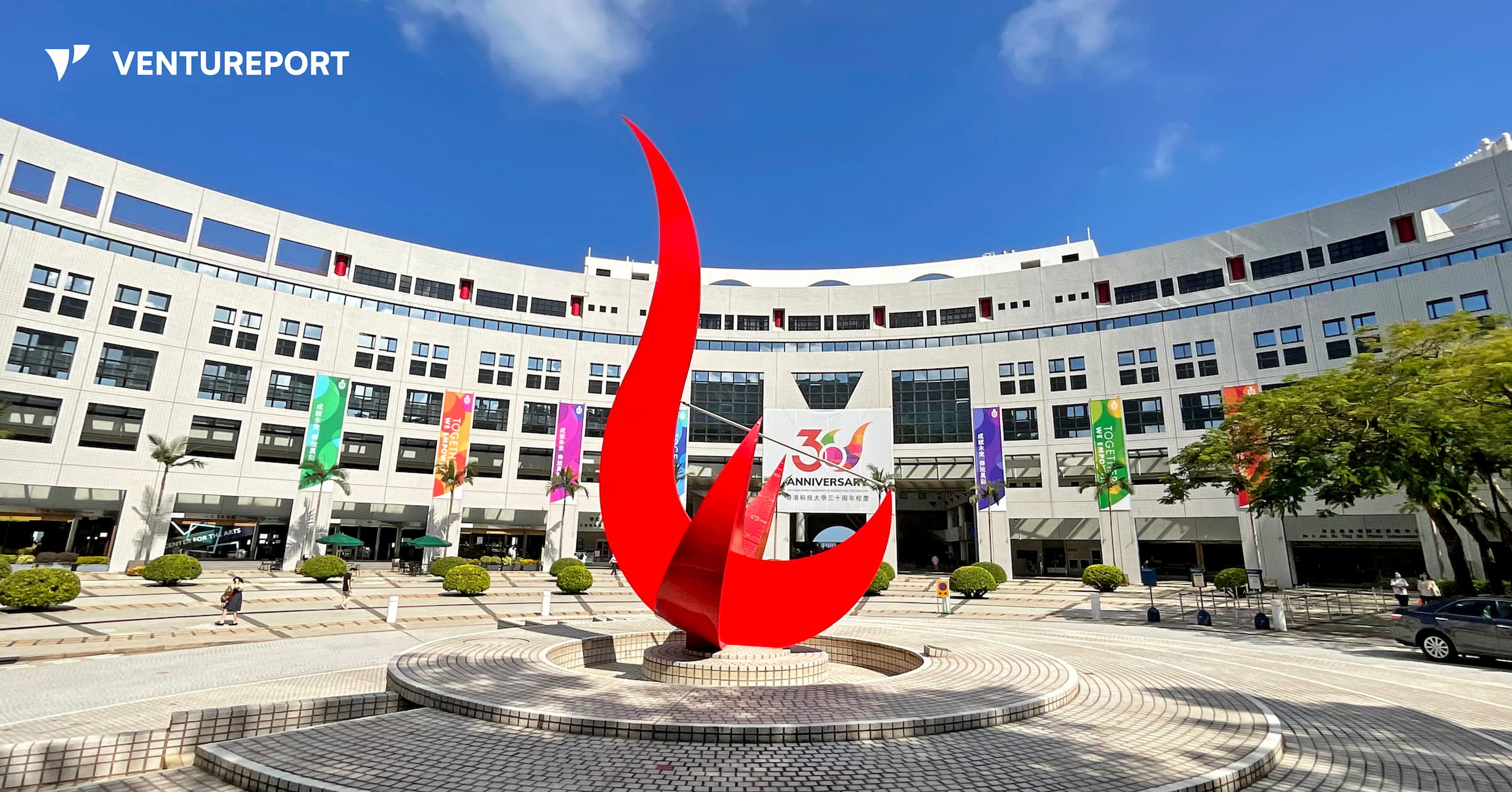
Entrance Piazza, Hong Kong University of Science and Technology. PHOTO: HKUST
The HKUST-Sino Million Dollar Entrepreneurship Competition 2026 will hold its finals on October 12, following a record 390 teams from 24 countries and regions taking part in this year's competition.
Jointly organised by the Hong Kong University of Science and Technology (HKUST) and Sino Group, the competition aims to give young entrepreneurs a platform to develop and present their ideas. Sino Group Deputy Chief Executive Officer Wong Wing-lung said the Group has partnered with HKUST for many years to support young talent and the development of innovation and technology in Hong Kong.
He said the competition gives young entrepreneurs a platform to showcase their creativity, exchange ideas and put their concepts into practice.
The international participation is reflected in the universities and regions represented this year. Participants include students from the University of Oxford in the UK, the University of Pennsylvania in the US and the National University of Singapore. Teams have also joined from Australia and South Africa.
After multiple rounds of assessment, 15 teams have advanced to the finals. Their projects cover health technology, generative AI, smart buildings, and green energy management. At the finals, the teams will present their solutions to a judging panel comprising venture capital investors, industry leaders and academic experts. They will compete for more than HK$1 million in prizes and awards.
The 2026 competition has also expanded the areas it recognises. Three new awards have been introduced this year: the Transformative AI Award, the NextGen Biotech Award and the Societal Influential Award. The competition will also continue to offer the Sustainability Impact Award. Together, the awards focus on areas ranging from emerging technologies to social and sustainability challenges.
The organisers are also adding new activities to help teams develop their ideas further. This year's programme includes pitching skills training, AI workshops, investor matching sessions and mentorship opportunities. The AI workshops will cover areas including generative AI and AI agents, while representatives from venture capital firms such as Gobi Partners and InnoAngel Fund have been invited to share insights on fundraising, product positioning and market expansion.
These activities are intended to help young entrepreneurs strengthen their business plans and presentation skills. They also give teams opportunities to explore technology commercialisation and potential market applications.
The competition will also launch the InnoBay 1M PLUS Program during the Grand Final. The programme will focus initially on Smart City Development and aims to connect HKUST start-ups and competition alumni with industry partners. It will also support potential proof-of-concept opportunities and help promising innovations move towards commercial adoption.
The Grand Final will also include an audience voting segment. Members of the public will be able to vote for the team they believe has the greatest potential and impact, with those who correctly vote for an eventual winning team entering a lucky draw.
For Wong, the competition is part of a broader effort to develop Hong Kong's innovation and technology talent. He noted that Hong Kong's first Five-Year Plan and latest Policy Address both highlight innovation, technology and talent development.
Prof. Tim Cheng Kwang-Ting, HKUST's Vice-President for Research and Development, said the competition has also served as a platform for aspiring entrepreneurs to connect with investors, understand market needs, test their ideas and gain practical entrepreneurial experience. He added that the competition has strengthened its training, mentorship and networking activities this year.
The Group believes that closer cooperation between industry, academia and research institutions can help turn innovative ideas into practical applications. Through the competition and its wider support programmes, young entrepreneurs are given opportunities to develop their ideas, connect with potential partners and explore how they can be taken from early concepts towards real-world applications.
Keep Reading
Updated
January 8, 2026 6:33 PM

A group of entrepreneurs coming up with different ideas. PHOTO: FREEPIK
If startup success stories usually make you picture cutting-edge tech, you might be missing a big part of the picture. Sometimes, the weirdest ideas shine the brightest, making real money and delighting both founders and customers. From ordinary rocks turned into pets to renting live chickens, these unusual startups show how far creativity and a pinch of humor can go.
If you think the business world is all suits and serious pitches, think again—welcome to the wonderfully weird side of entrepreneurship.
Owning a pet is a joy, but let’s be honest—it’s also a handful. Between shedding fur, endless feeding schedules, surprise messes and finding a sitter when you’re away, pet parenting is not exactly effortless.
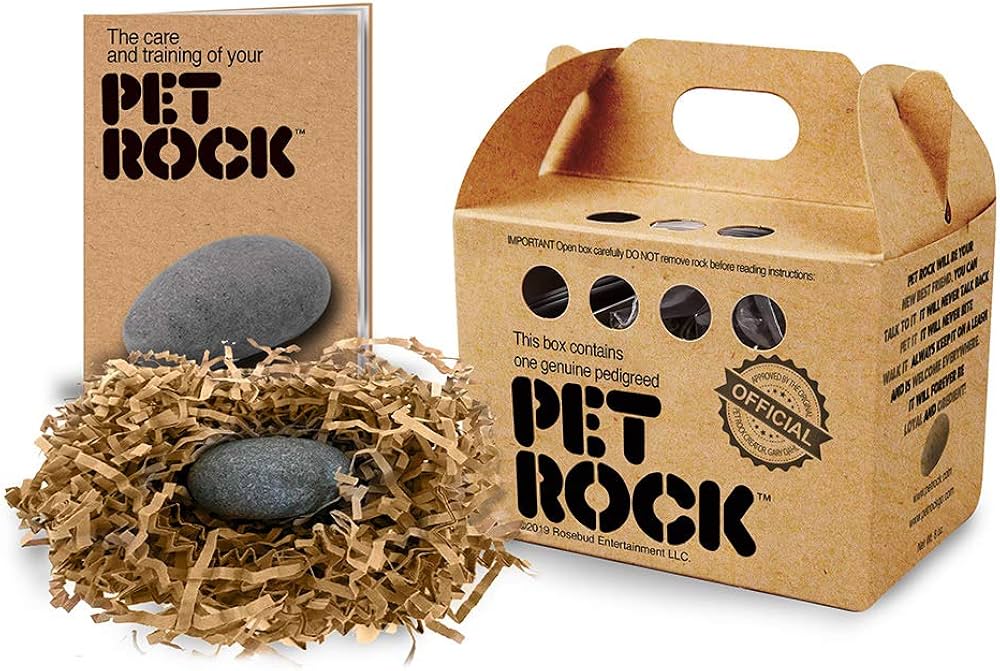
Back in 1975, an advertising executive named Gary Dahl found himself joking about this very problem over drinks with friends. His solution for the “perfect” pet: a rock. No feeding, no walking, no grooming and absolutely no accidents on the carpet.
What started as a joke quickly snowballed into a real business. Smooth stones were sourced from Rosarito Beach in Mexico, then packed in playful cardboard “pet carrier” boxes with little air holes and a bed of straw. To make the experience even more cheeky, every Pet Rock came with a care manual that instructed owners to give their new companion sunlight, affection and, of course, a name.
It was absurd and hilarious, but it worked. Selling at US$3.95 apiece in the ’70s, Pet Rocks became a cultural phenomenon. Today, you can still find them on Amazon, but they will now set you back around US$29.99 or more. Would you bring home a Pet Rock? People in the ’70s sure did.

Back in 2013, Phil and Jenn Tompkins a couple duo, launched the company "Rent The Chicken" with one straightforward goal: give people a chance to try raising backyard hens and enjoy fresh eggs without the long-term commitment.
Through partnerships with local farmers across the U.S. and Canada, this backyard chicken rental startup brings egg-laying hens straight to people’s yards. It offers different rental packages, but a standard six-month rental costs around US$500. This usually includes two hens ready to lay within days, a portable coop, feed, food and water dishes and expert support for any chicken-related questions.
The chickens arrive in spring and stay until fall. When the season ends, families can choose to return the hens, extend the rental or even buy them for about US$40 each at the end of the contract.
Today, the company works with partners in 29 states, from Oregon to Texas, and in parts of Canadain p. For people outside those areas, an out-of-area purchase package that comes with three hens can be shipped anywhere in the 48 contiguous states in the U.S. for about US$1,550.
In a way, it’s a fun and hands-on path to food security — giving families the joy of collecting their own eggs and knowing exactly where their breakfast comes from.

By day, Gadlin worked as a full-time web developer for a television broadcasting company. Outside of work, he poured his energy into comedy and writing. That creative streak took him back to high school days, when he had drawn silly cats for a comic series called Silly Cats Comic.
With those doodles as his foundation and a bit of basic design know-how, Gadlin launched his website, “I Want to Draw a Cat For You” in 2011. The concept was as simple as it was funny: visitors would describe the cat of their dreams and Gadlin would personally hand-draw it, then send it their way.
This quirky startup idea landed him on Shark Tank, where he secured an offer of US$25,000 from investor Mark Cuban for a 33% stake in the business. Not bad for stick-figure cats.
When the site first launched, customers could pay extra US$5 for colour. Shipping cost US$1 if they didn’t mind the drawing arriving in a folded envelope, or US$5 for a flat mailer. For delivery within 48 hours, there was a US$19.95 rush fee that many customers were happy to pay.
These days, Gadlin leans more on digital delivery and limited runs of his cat drawings at US$50, rather than mailing every single piece of his art. What he once described as “mediocre cat drawings” has become proof that a simple, original idea can claw its way into the startup world.

Imagine arriving in a new city with no one to show you around. That is exactly the kind of situation where RentAFriend can help.
Launched in 2009 by Scott Rosenbaum, the unusual business was inspired by Japan’s “rental family” services, where people can hire a friend, a date or even a parent for a short period. Rosenbaum saw an opportunity to adapt that concept for North America, but with a focus strictly on platonic friendship.
Here’s how it works: Anyone can sign up as a “friend” for free by creating a profile, listing their interests and setting an hourly rate. People who want to hire pay a membership fee, typically around US$24.95 a month, to connect with friends across the platform.
With a rented friend, you can do pretty much anything platonic. Go sightseeing, hit a museum, catch a game, work out together or even bring them along to a party or family event. At its heart, RentAFriend connects people who need company with those happy to earn a little extra simply by being one.
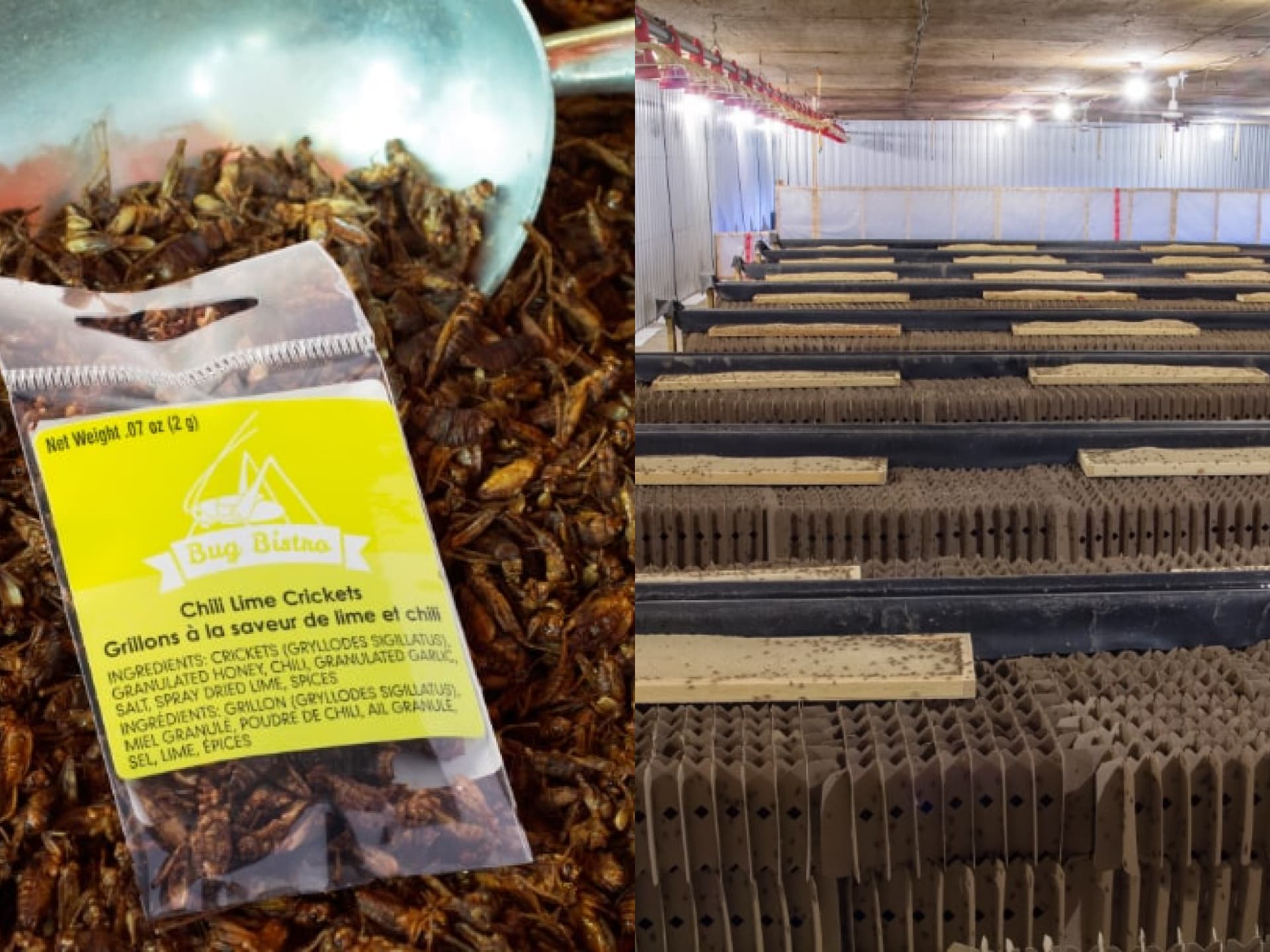
Back in 2014, in the small town of Norwood, Ontario, Canada, three brothers—Jarrod, Darren and Ryan Goldin, set out to do something that sounded downright bizarre at the time: farm crickets for people to eat.
The idea first struck Jarrod after he saw a cricket-based nutrition bar on television. Around the same time, the UN released a report on edible insects as a sustainable food source. Suddenly, the “weird” idea didn’t seem so weird after all.
At Entomo Farms, crickets are raised in cage-free “cricket condos”, where they live in warm, dark spaces that mimic their natural habitat. They’re fed and cared for until they reach about six or seven weeks old, then humanely harvested using a CO₂ method. From there, they’re rinsed, roasted and ground into a fine powder—no additives, just pure cricket protein.
The appeal goes beyond novelty. Crickets are packed with nutrients and need far less land, feed and water than beef, making them both healthy and eco-friendly.
While their approach may seem unconventional, what drives Entomo Farms is simple: making sustainable, responsible food accessible to everyone.
These startups prove that innovation doesn’t always wear a serious face. Sometimes, it turns up wrapped in humor, curiosity or even a touch of absurdity, yet still manages to spark real change. From crickets turned into protein to chickens rented out by the season, each weird startup idea shows that entrepreneurship thrives when people dare to think differently.
While some of these unusual business ideas burned bright then faded, others are still evolving in the background, shifting from fads to niche services or steady, quiet companies. What they share is a willingness to test an idea most people would dismiss at first glance.
That is the real takeaway for founders. Weird startup ideas will not always scale into unicorns, yet they can test new consumer habits, open up fresh markets and shape culture in surprising ways. If you are building something new, there is space for products that make people laugh, think or raise an eyebrow before they reach for their wallet.