
Bambi Dang's startup aims to turn attendees' needs into useful connections
Updated
November 26, 2026 2:58 PM

Bambi Dang, CEO of FunFox AI, during a panel discussion. PHOTO: BAMBI DANG
An attendee list may show someone's name, company and job title, but it may not tell you what they are looking for or whether they would be relevant to you.
That leaves attendees figuring out who is relevant, searching through attendee profiles and sending meeting requests themselves.
FunFox AI is Bambi Dang's attempt to take some of that work off attendees' hands. The startup is an AI matchmaking agent for professional events and communities, designed to help people find relevant connections based on their professional goals.
The process begins when an event organiser creates a FunFox link for a particular event and shares it with attendees. Attendees can then speak with FunFox's voice AI agent or type to share who they are, what they are working on, what they hope to achieve and the kind of people they want to meet. Dang prefers the voice-based approach because a natural conversation allows users to share more context than they might through a traditional form or static profile.
FunFox uses this information to identify relevant people within the event or community. Rather than simply matching people based on their profiles, it looks at what each person is seeking and what they can offer in return, creating matches based on mutual relevance.
Dang's experience in the startup ecosystem helped shape the idea. She worked in sales and marketing at an early-stage startup in Helsinki and later built an education platform for students preparing to study abroad. Through building companies and communities, she says she repeatedly saw how much value could come from putting the right people together.
Event organisers and community managers are FunFox AI's paying customers. They pay an annual subscription based on the number of events they organise and the total number of attendees, while attendees can use the platform without an additional fee.
However, getting organisers on board is not always straightforward. Many already rely on established event-management platforms that handle registration, ticketing, agendas and speakers. Dang says some of these providers have multi-year agreements with organisers, making it harder for FunFox to introduce another tool into their existing workflows. The challenge at the moment is to show organisers why they need a dedicated matchmaking solution alongside the systems they already use.
The company is now moving beyond its initial pilot stage. Dang said the pilot events have been successful and FunFox is entering its first agreements with paying customers, including startup ecosystems. The team is also working with these customers to organise events together.
For now, her focus remains on developing the product and working closely with customers. She is open to exploring investor interest further when the time is right.
Keep Reading
The Influencer Evolution: Recognizing the Power and Potential of Each Type.
Updated
January 8, 2026 6:35 PM
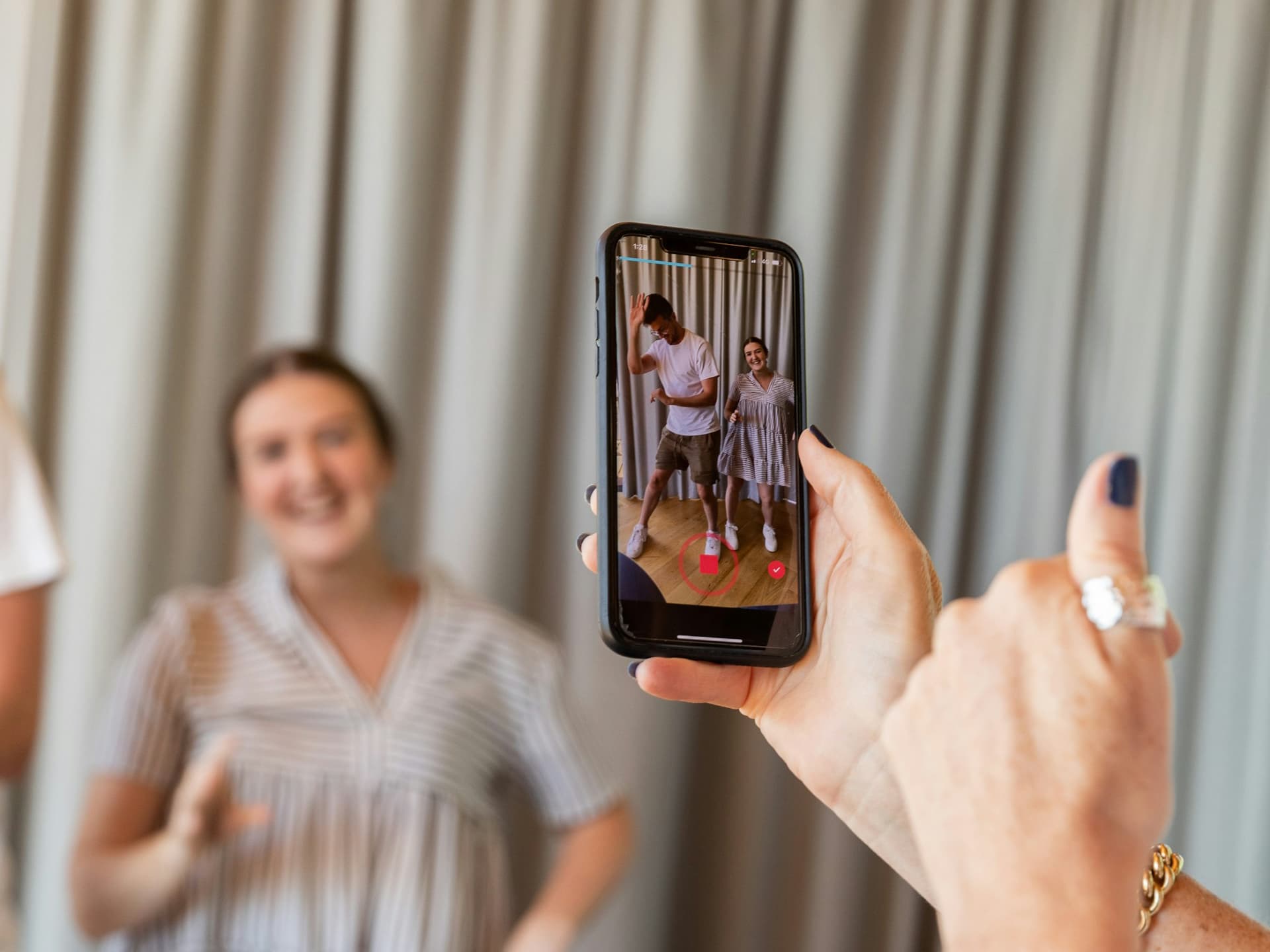
A group of people filming a video for social media. PHOTO: UNSPLASH
In an era where social media reigns supreme, influencers have emerged as powerful players in the marketing game. They have the ability to sway opinions, drive trends, and create waves of engagement that brands can only dream of. But not all influencers are created equal; they come in various shapes and sizes, each with a unique approach to connecting with their audience. Under standing the different types of influencers can illuminate how they impact our daily lives and the choices we make. Let’s dive into the captivating world of influencers and explore the diverse categories that define them.
When you think of influencers, mega influencers are often the first that come to mind. These are the A-list celebrities, athletes, and global icons with millions of followers on platforms like Instagram, TikTok, and YouTube. Their immense reach allows brands to tap into vast audiences, making them highly sought after for endorsements.
Mega influencers have the power to generate instant buzz around a product or campaign. Their celebrity status lends credibility, and fans are often eager to emulate their lifestyles. However, this type of influencer can come with a hefty price tag, making them suitable for brands with substantial marketing budgets.
Just below the mega influencers are macro influencers, who typically boast between 100,000to 1 million followers. While they may not have the same level of fame as celebrities, macro influencers often command a loyal and engaged audience. They are usually experts in specific niches, such as fitness, beauty, travel, or technology.
Macro influencers combine reach with relevance. Their targeted expertise allows brands to connect with specific demographics, making them an ideal choice for campaigns aimed at niche markets. Their followers often view them as relatable and trustworthy, which can lead to higher engagement rates.
Micro influencers are the rising stars of the influencer world, typically having between 10,000 to 100,000 followers. What sets them apart is their authentic connection with their audience. They often have a more intimate relationship with their followers, leading to higher engagement and trust.
Brands are increasingly turning to micro influencers for their ability to create genuine conversations around products. The cost-effectiveness of partnering with micro influencers also allows brands to run multiple campaigns across different influencers, amplifying their reach while maintaining authenticity.
At the bottom of the influencer hierarchy are nano influencers, who have 1,000 to 10,000 followers. While their follower count may be modest, nano influencers often possess a highly engaged audience that views them as close friends, families or peers rather than celebrities.
Nano influencers are perfect for brands looking to create grassroots campaigns. Their genuine enthusiasm and relatability can lead to strong word-of-mouth marketing. Engaging with nano influencers often comes at a lower cost, making them an attractive option for small businesses and startups.
Brand ambassadors are influencers who have a long-term relationship with a brand, often representing them across multiple campaigns. They can fall into any of the previous categories but are distinguished by their commitment to the brand and its values.
By cultivating brand ambassadors, companies can create consistent messaging and foster loyalty among customers. These influencers often resonate with audiences more deeply, as they embody the brand’s identity and promote its products authentically over time.
The world of influencers is as diverse as it is dynamic, with each type offering unique advantages for brands looking to connect with consumers. From the glitzy allure of mega influencers to the genuine relatability of nano influencers, understanding these categories can help brands make informed choices in their marketing strategies. As the digital landscape continues to evolve, the role of influencers will only grow, shaping trends and driving engagement in ways we are just beginning to comprehend. By leveraging the right type of influencer, brands can effectively navigate this vibrant ecosystem, ensuring their message resonates with the audiences that matter most.