
Bambi Dang's startup aims to turn attendees' needs into useful connections
Updated
November 26, 2026 2:58 PM

Bambi Dang, CEO of FunFox AI, during a panel discussion. PHOTO: BAMBI DANG
An attendee list may show someone's name, company and job title, but it may not tell you what they are looking for or whether they would be relevant to you.
That leaves attendees figuring out who is relevant, searching through attendee profiles and sending meeting requests themselves.
FunFox AI is Bambi Dang's attempt to take some of that work off attendees' hands. The startup is an AI matchmaking agent for professional events and communities, designed to help people find relevant connections based on their professional goals.
The process begins when an event organiser creates a FunFox link for a particular event and shares it with attendees. Attendees can then speak with FunFox's voice AI agent or type to share who they are, what they are working on, what they hope to achieve and the kind of people they want to meet. Dang prefers the voice-based approach because a natural conversation allows users to share more context than they might through a traditional form or static profile.
FunFox uses this information to identify relevant people within the event or community. Rather than simply matching people based on their profiles, it looks at what each person is seeking and what they can offer in return, creating matches based on mutual relevance.
Dang's experience in the startup ecosystem helped shape the idea. She worked in sales and marketing at an early-stage startup in Helsinki and later built an education platform for students preparing to study abroad. Through building companies and communities, she says she repeatedly saw how much value could come from putting the right people together.
Event organisers and community managers are FunFox AI's paying customers. They pay an annual subscription based on the number of events they organise and the total number of attendees, while attendees can use the platform without an additional fee.
However, getting organisers on board is not always straightforward. Many already rely on established event-management platforms that handle registration, ticketing, agendas and speakers. Dang says some of these providers have multi-year agreements with organisers, making it harder for FunFox to introduce another tool into their existing workflows. The challenge at the moment is to show organisers why they need a dedicated matchmaking solution alongside the systems they already use.
The company is now moving beyond its initial pilot stage. Dang said the pilot events have been successful and FunFox is entering its first agreements with paying customers, including startup ecosystems. The team is also working with these customers to organise events together.
For now, her focus remains on developing the product and working closely with customers. She is open to exploring investor interest further when the time is right.
Keep Reading
"Discover how emerging sustainability trends in digital marketing are reshaping the way small businesses connect with eco-conscious consumers."
Updated
January 8, 2026 6:35 PM
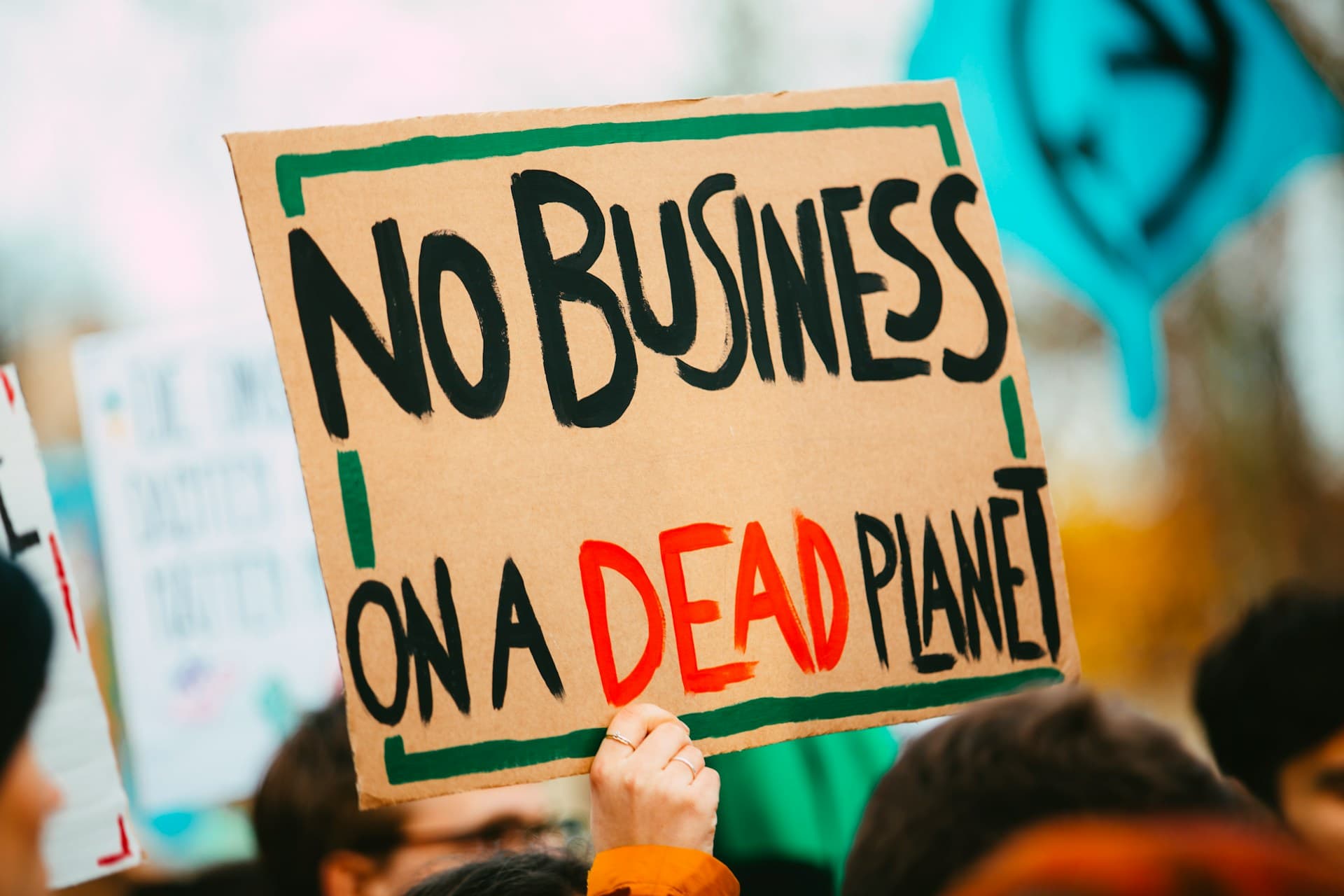
Protestor holding a sign "NO BUSINESS ON A DEAD PLANET" during a march. PHOTO: UNSPLASH
Sustainability has become more than just a buzzword—it’s a movement that’s reshaping business practices across industries. For small businesses, aligning with sustainable values isn’t just about doing the right thing; it’s about staying competitive in a world where consumers increasingly prioritize eco-conscious brands.
In the digital age, sustainable marketing is evolving rapidly, offering businesses new ways to reduce their environmental impact while engaging with customers who care deeply about the planet. Let’s take a closer look at the top trends driving sustainable marketing today and their implications for small businesses.
Most people don’t realize that online advertising has an environmental cost. Every time an ad is displayed, clicked on, or streamed as a video, it consumes energy. This energy powers the servers, data centers, and networks that host and deliver these ads. The problem is that much of this energy still comes from non-renewable sources like coal and natural gas, which contribute to carbon emissions.
For small businesses, this could mean optimizing ad campaigns to reduce unnecessary data usage or using platforms that offset their carbon emissions. Additionally, adopting lighter website designs and faster-loading ads can not only reduce energy consumption but also improve user experience—leading to better engagement and conversion rates.
Small businesses can stand out by making their digital campaigns both efficient and eco-friendly. Highlighting these efforts in marketing messages can appeal to sustainability-minded customers while showcasing innovation.
Sustainable packaging is no longer optional—it’s an expectation. But for small businesses, it’s not just about switching to biodegradable materials. It’s about effectively communicating those efforts to customers through digital channels.
Brands are using their websites, social media, and email marketing to share the stories behind their packaging choices. Whether it’s sourcing recycled materials or partnering with eco-friendly suppliers, transparency is key. Educational content, such as videos or infographics, can help customers understand the impact of their purchases and feel good about supporting a brand.
By using digital platforms to tell the story of their sustainability efforts, small businesses can create deeper emotional connections with customers. Sharing behind-the-scenes processes or celebrating packaging milestones can boost loyalty and differentiate a brand from competitors.
Influencer marketing has become a powerful tool for brands, and the rise of eco-conscious influencers is creating new opportunities for businesses that prioritize sustainability. These influencers focus on topics like waste reduction, ethical consumption, and eco-friendly lifestyles, making them an ideal partner for sustainable brands.
Collaborating with such influencers allows small businesses to reach niche audiences that are already committed to sustainable living. These partnerships feel more authentic compared to traditional ads, as followers trust influencers to recommend products that align with their values.
Even small businesses with limited budgets can benefit from micro-influencers —individuals with smaller but highly engaged audiences. Partnering with eco-conscious influencers can amplify a business’s sustainability message and create a ripple effect of awareness.
Consumers today are more skeptical of vague claims like "green" or "eco-friendly." They want specifics. Brands that embrace transparency by sharing measurable data about their sustainability efforts are earning trust and loyalty.
For example, brands that disclose the carbon footprint of their products or provide detailed information about their supply chains stand out in an age of greenwashing (misleading sustainability claims). This trend is particularly relevant for small businesses, as customers often expect smaller, local brands to be more ethical and transparent.
Being upfront about sustainability efforts—even if they’re still a work in progress—can build credibility. Sharing challenges, milestones, and small wins through social media or email newsletters makes the brand relatable and trustworthy.
The circular economy—a model in which products are reused, repaired, or recycled instead of discarded—is gaining momentum. Small businesses are finding creative ways to incorporate this principle into their operations and marketing.
For example, some businesses encourage customers to return used products in exchange for discounts or loyalty points. Others upcycle returned goods into new products and share this process with customers through digital platforms.
By participating in the circular economy, small businesses can differentiate themselves while building a loyal customer base. Promoting these initiatives online—whether through videos, blogs, or customer testimonials—can amplify their impact and attract eco-conscious buyers.
Sustainable marketing is more than a trend—it’s becoming a necessity for businesses of all sizes. For small businesses, it represents both an opportunity to stand out in a competitive market and a chance to make a meaningful impact on the planet.
Emerging trends like green digital advertising, circular economy initiatives, and transparency are reshaping how brands connect with their audiences. By embracing these practices, small businesses can attract eco-conscious consumers, build loyalty, and foster trust—all while reducing their environmental footprint.
The future of marketing belongs to those who see sustainability not as an add-on, but as the foundation of their growth. For small businesses ready to take on this challenge, the rewards go beyond profits—they include making a lasting, positive impact on the planet and the people who inhabit it.