
Bambi Dang's startup aims to turn attendees' needs into useful connections
Updated
November 26, 2026 2:58 PM

Bambi Dang, CEO of FunFox AI, during a panel discussion. PHOTO: BAMBI DANG
An attendee list may show someone's name, company and job title, but it may not tell you what they are looking for or whether they would be relevant to you.
That leaves attendees figuring out who is relevant, searching through attendee profiles and sending meeting requests themselves.
FunFox AI is Bambi Dang's attempt to take some of that work off attendees' hands. The startup is an AI matchmaking agent for professional events and communities, designed to help people find relevant connections based on their professional goals.
The process begins when an event organiser creates a FunFox link for a particular event and shares it with attendees. Attendees can then speak with FunFox's voice AI agent or type to share who they are, what they are working on, what they hope to achieve and the kind of people they want to meet. Dang prefers the voice-based approach because a natural conversation allows users to share more context than they might through a traditional form or static profile.
FunFox uses this information to identify relevant people within the event or community. Rather than simply matching people based on their profiles, it looks at what each person is seeking and what they can offer in return, creating matches based on mutual relevance.
Dang's experience in the startup ecosystem helped shape the idea. She worked in sales and marketing at an early-stage startup in Helsinki and later built an education platform for students preparing to study abroad. Through building companies and communities, she says she repeatedly saw how much value could come from putting the right people together.
Event organisers and community managers are FunFox AI's paying customers. They pay an annual subscription based on the number of events they organise and the total number of attendees, while attendees can use the platform without an additional fee.
However, getting organisers on board is not always straightforward. Many already rely on established event-management platforms that handle registration, ticketing, agendas and speakers. Dang says some of these providers have multi-year agreements with organisers, making it harder for FunFox to introduce another tool into their existing workflows. The challenge at the moment is to show organisers why they need a dedicated matchmaking solution alongside the systems they already use.
The company is now moving beyond its initial pilot stage. Dang said the pilot events have been successful and FunFox is entering its first agreements with paying customers, including startup ecosystems. The team is also working with these customers to organise events together.
For now, her focus remains on developing the product and working closely with customers. She is open to exploring investor interest further when the time is right.
Keep Reading
How the high-profile trial of the music mogul offers lessons for entrepreneurs on accountability, ethics, and leadership.
Updated
January 8, 2026 6:35 PM
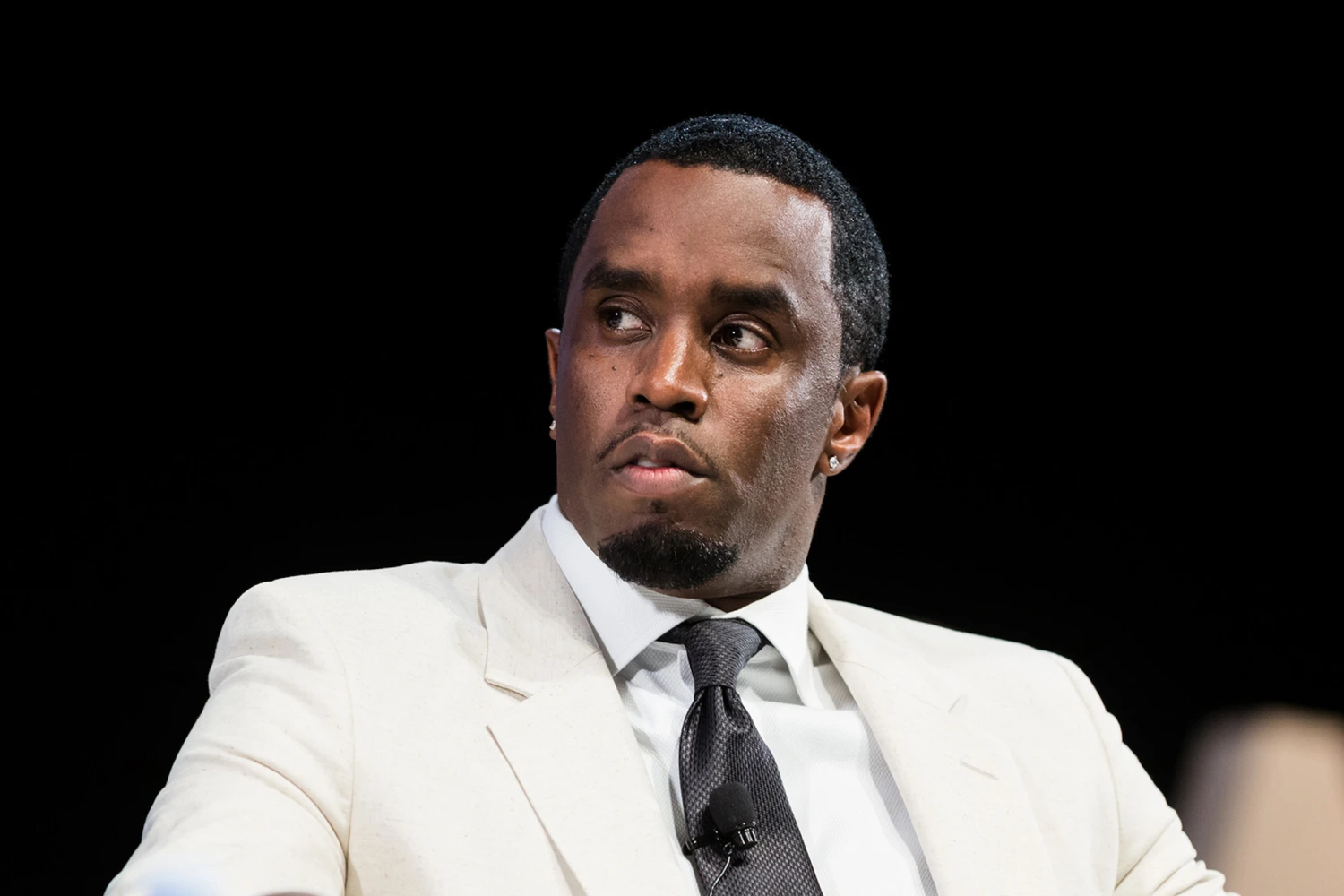
Sean "DIddy" Combs. PHOTO: NPC NEWS
Sean “Diddy” Combs—hip-hop icon, entrepreneur, and cultural force—has built a career on his larger-than-life persona, business acumen, and ability to dominate industries ranging from music to fashion to spirits. But his recent trial, which involves explosive allegations of racketeering, sex trafficking, and transportation to engage in prostitution, has cast a shadow over his legacy.
The federal trial, which began after his arrest in September 2024, has revealed shocking claims, including coercion, manipulation, and the abuse of power in both personal and professional settings. While Combs has pleaded not guilty to all charges, the case offers valuable lessons for small business owners about leadership, ethics, and the responsibility that comes with power.
Here’s what entrepreneurs can learn from the allegations and fallout surrounding Diddy’s trial.
Diddy has been accused of creating a toxic environment that involved coercion, manipulation, and abuse of power—both in his personal relationships and his professional dealings. The trial has highlighted allegations of “freak-offs,” elaborate sexual encounters with escorts that were reportedly coerced, as well as threats of financial and reputational harm to control others.
In business, leaders hold significant power over employees, partners, and collaborators. whether through coercion, intimidation, or favoritism—can lead to toxic environments and long-term damage to the organization.
The case has shown how Diddy’s alleged actions went unchecked for years, with accusations of violence, threats, and even financial control over his accusers. Testimonies from former employees and partners reveal a pattern of behavior that created a culture of fear and silence around him.
For small business owners, this is a reminder that accountability begins with leadership. If you fail to hold yourself and others accountable, you risk fostering an environment where misconduct is ignored or accepted.
A recurring theme in the trial is how Combs’ personal actions—both alleged and confirmed—have affected his professional reputation. From footage of him physically assaulting Cassie in a hotel hallway to allegations of coercion during drug-fueled parties, the courtroom revelations have tarnished his public image and cast a shadow over his brand.
For small business owners, this reinforces an important truth: your personal behavior can have far-reaching consequences for your business. Customers, employees, and partners often associate the values and reputation of a business with its leader.
The case has also highlighted the dangers of power imbalances. Testimonies from accusers like Cassie allege that Diddy used financial control—such as threatening to withhold rent payments—to coerce others into complying with his demands.
In a small business setting, power dynamics are also present, particularly between employers and employees or business owners and partners. Misusing that power, even unintentionally, can lead to resentment, distrust, and legal challenges.
The allegations against Diddy span more than a decade, with claims of abuse dating back decades. Had there been systems in place to address grievances or hold him accountable earlier, the damage to his brand—and to the individuals involved—might have been mitigated.
For small businesses, neglecting proactive measures to address workplace issues can lead to larger crises later. Waiting until problems escalate is not only costly but can also permanently harm your business’s reputation.
The Sean “Diddy” Combs trial is a cautionary tale about the consequences of unchecked power, unethical behavior, and a lack of accountability. For small business owners, it underscores the importance of leadership that prioritizes transparency, fairness, and integrity.
Running a business isn’t just about profits—it’s about creating a legacy founded on trust and respect. By learning from the mistakes and controversies of others, entrepreneurs can build companies that inspire loyalty, foster positive relationships, and stand the test of time.