
A new approach examines how individual cells respond to drugs, aiming to identify risks earlier in development.
Updated
August 10, 2026 5:56 PM

Close up of a capsule blister pack. PHOTO: UNSPLASH
DeepCyte, a startup in the drug development space, is focusing on a long-standing problem: why drugs that appear safe in early testing still fail in clinical trials or are withdrawn later due to toxicity. DeepCyte has launched with US$1.5 million in seed funding to build tools that detect and explain the harmful effects of drugs at much earlier stages.
The startup’s approach focuses on how individual cells respond to a drug. Instead of analysing cells in bulk, it studies them one by one. This helps capture differences in how cells react, which are often missed in traditional testing methods.
Drug toxicity remains one of the main reasons for failure in drug development. Methods such as animal testing and bulk cell analysis do not always reflect how human cells behave. This gap has pushed the industry to look for more reliable and human-relevant ways to test drug safety.
DeepCyte combines cell-level data with artificial intelligence. Its platform, MetaCore, studies what is happening inside individual cells by capturing detailed molecular information. This data is used to build large datasets that can train AI models.
Additionally, the company has developed an AI system called DeeImmuno. It is designed to predict whether a drug could be toxic and identify the biological reasons behind it. In internal testing on 100 drugs, the system identified different types of toxicity and their underlying mechanisms with a reported accuracy of 94 percent.
The focus on explaining why a drug is toxic, not just whether it is, reflects a broader shift in the industry. Regulators such as the U.S. Food and Drug Administration and the European Medicines Agency have been encouraging methods that rely more on human cell data and clearer biological evidence. The seed funding will be used to develop and scale these tools. The company aims to help drug developers make earlier decisions, which could reduce costly failures in later stages. Whether tools like this become widely used will depend on how they perform in real-world settings. For now, DeepCyte’s approach highlights a growing effort to make drug testing more precise by focusing on how drugs affect cells at the most detailed level.
Keep Reading
Amid AI and tech startups, Eastseabrother proved the power of demand and trust.
Updated
January 23, 2026 10:41 AM
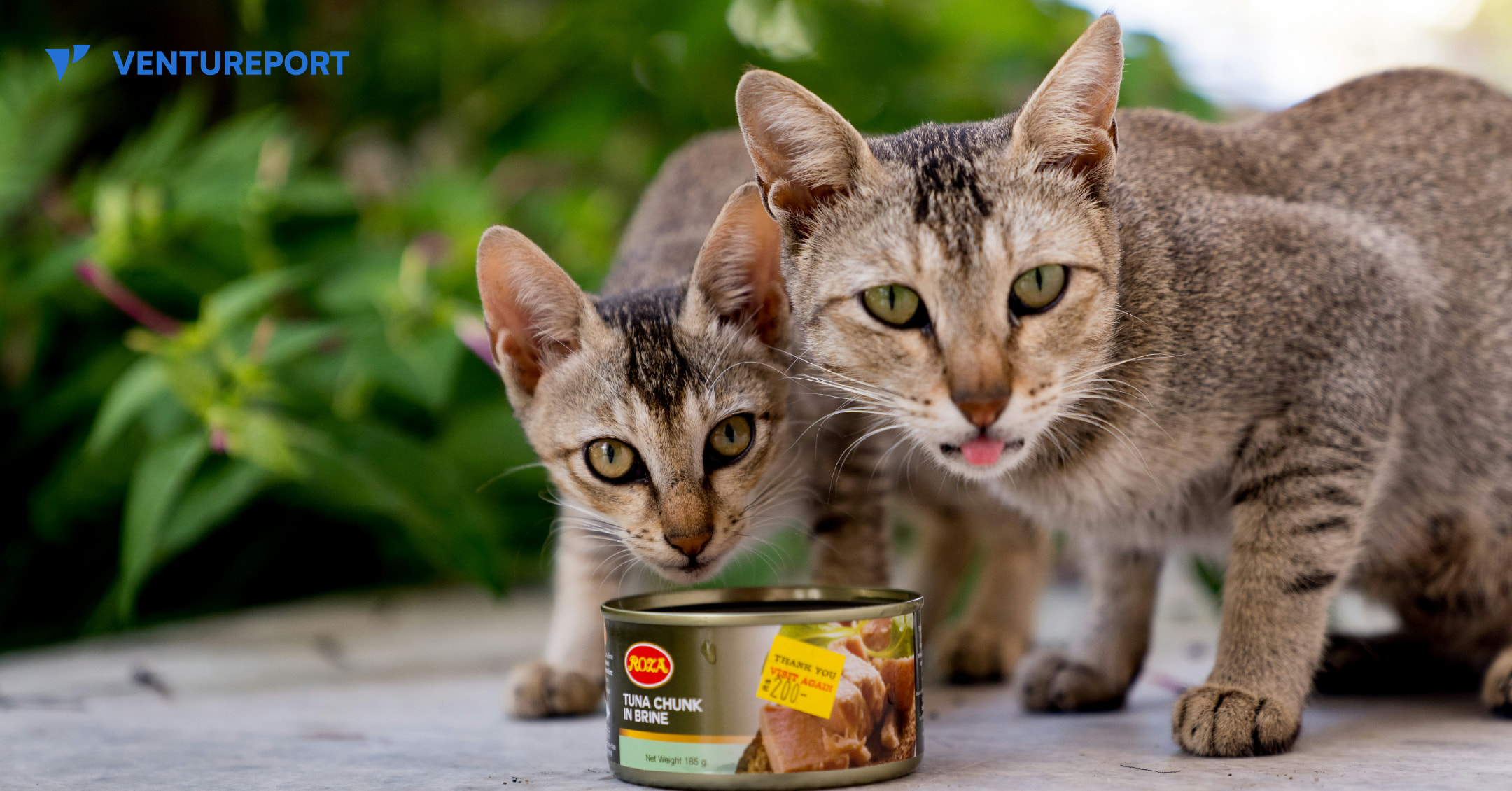
Cats having a jolly good time with a can of tuna. PHOTO: UNSPLASH
At a Silicon Valley pitch event crowded with AI, SaaS and deep-tech startups, the company that stood out was not selling software or algorithms. It was selling pet treats.
Eastseabrother, a premium pet food brand from South Korea, ranked first at a Plug and Play–hosted investor pitch competition in Sunnyvale. The product itself is simple: single-ingredient pet treats made from wild-caught seafood sourced from Korea’s East Sea. The company follows a principle it calls “Only What the Sea Allows”, working directly with regional fishermen while avoiding overfishing. With no additives and minimal processing, what sets Eastseabrother apart is not novelty, but control—over sourcing, supply chains and consistency.
That clarity helped the company walk away with both Best Product and Best Potential. “Investors asked detailed questions about repeat purchase rates and customer feedback, not just our technology or supply chain”, said Eunyul Kim, CEO of Eastseabrother. “That told us the market is shifting—real consumer trust now carries as much weight as a compelling tech narrative”.
What truly caught investors’ attention was not an ambitious vision of the future, but concrete evidence of traction today. Eastseabrother has already secured shelf space in specialty pet stores across California, New York and North Carolina, including an exclusive partnership with EarthWise Pet, a national specialty retail chain. At a consumer showcase at San Francisco’s Ferry Building, the brand recorded the highest on-site sales among all participating companies.
At its core, the pitch was built on simplicity: one ingredient, clear sourcing and a defined customer need. In a market saturated with complex products and abstract claims, that focus and transparency stood out.
The judges’ decision also reflects a broader shift in venture capital thinking. Not every successful startup is built on complex software or high-tech innovation. In categories like pet care—where trust, quality and transparency shape buying behavior—execution and credibility can matter more than technical sophistication.
Today, Eastseabrother has extended its reach beyond the U.S., expanding into Singapore and Hong Kong, with additional plans to grow further in North America as demand for premium pet food rises. And the broader takeaway from this pitch is not that consumer brands are overtaking tech startups. It is that investors are increasingly focused on fundamentals: who is buying, why they are returning and whether the business can sustain itself beyond the pitch deck.