
Discus Fish of Cobo and Samuel Tse of Animoca Brands discuss how AI agents, digital identity and blockchain could change the way money moves.
Updated
November 2, 2026 12:03 PM
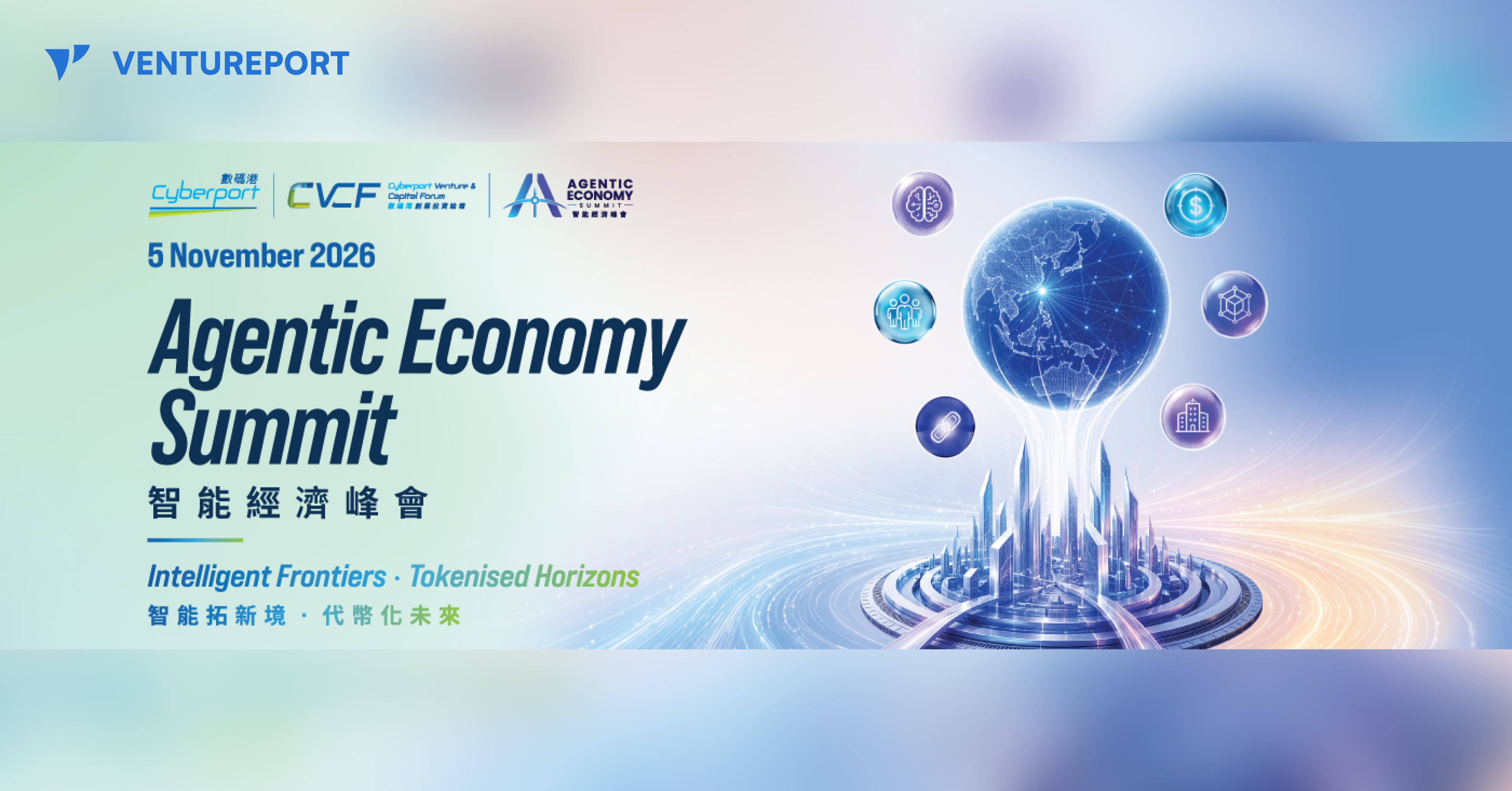
The Agentic Economy Summit at CVCF 2026 explores how AI agents and digital assets could shape the future of business and finance. IMAGE: CYBERPORT
For an AI agent to manage money on someone’s behalf, it needs more than the ability to follow instructions. It must be able to establish whom it represents, access funds and transact within agreed limits.
These are among the questions informing the discussion of AI and digital assets at Cyberport Venture Capital Forum (CVCF) 2026. Ahead of the forum, Discus Fish, CEO and Co-founder of Cobo, and Samuel Tse, Head of Investment and Corporate Finance at Animoca Brands, shared their views on how this convergence could develop—and where they see opportunities for businesses.
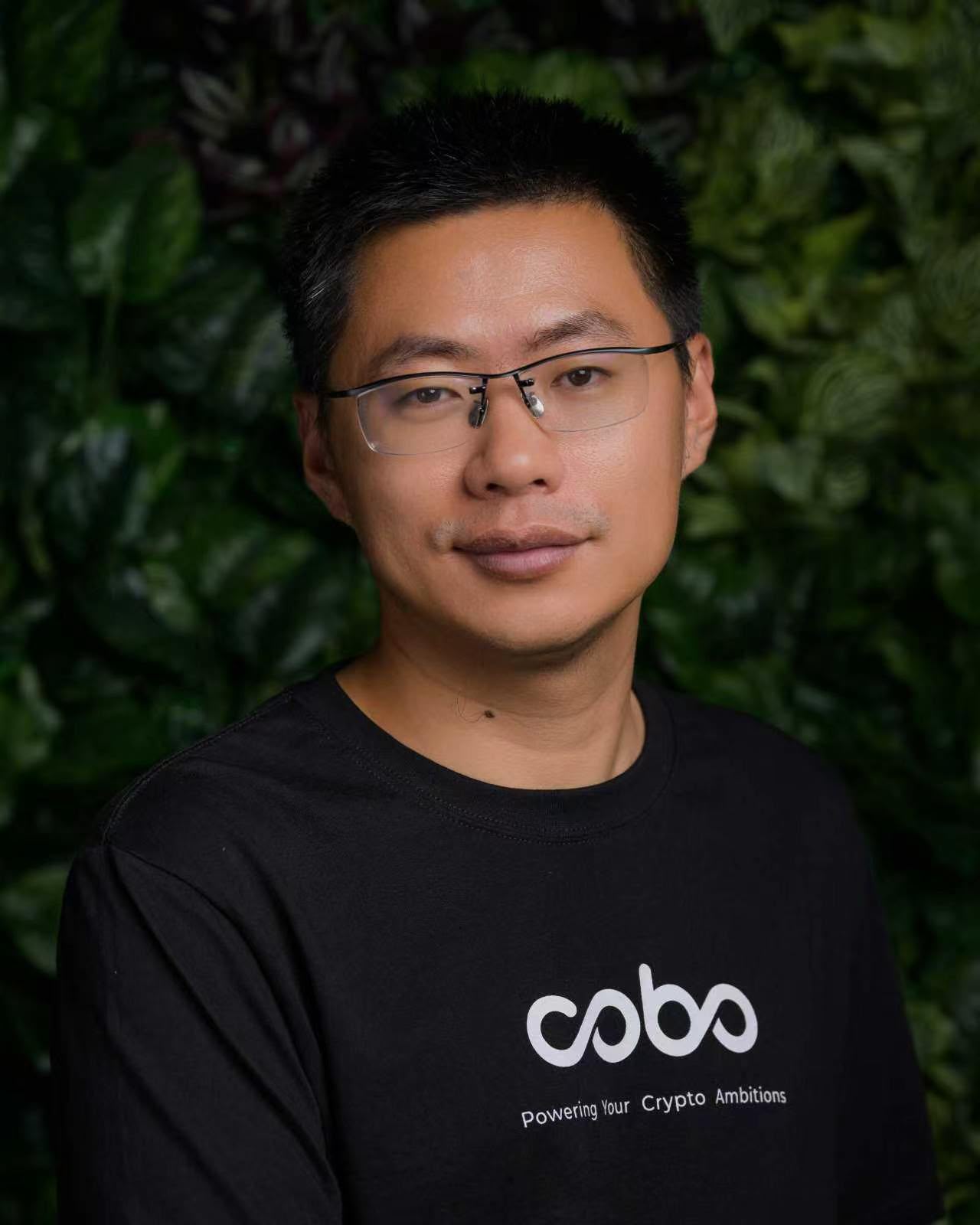
Discus Fish points to a longstanding challenge: blockchain can be difficult for everyday users to navigate, but AI agents may find it easier to interact with these networks.
“Blockchains have always been hard for ordinary people to use. AI agents may be better users: the chain is fully transparent and every record is traceable, which suits agents well.”
His outlook comes with a qualification. Both the agents and the networks they would use still need to develop.
“Agents aren’t capable enough yet, and chains are still adapting. But once agents truly run on-chain, the number of users and what’s possible will grow by an order of magnitude.”
Discus Fish says blockchain could reshape how financial assets are issued, traded and settled over the next five years. He also notes that institutional adoption has progressed faster than Cobo initially expected, with individual users no longer leading the shift. “Since 2017, we have believed blockchain will become part of the financial infrastructure of the future. We expected individual users to lead, but institutions moved faster.”
For Fish, the next stage involves a broader range of assets and financial clients.
“What gets redefined next is how assets are issued, traded, and settled. As traditional assets like US equities come on-chain, a much wider range of financial clients will follow.”
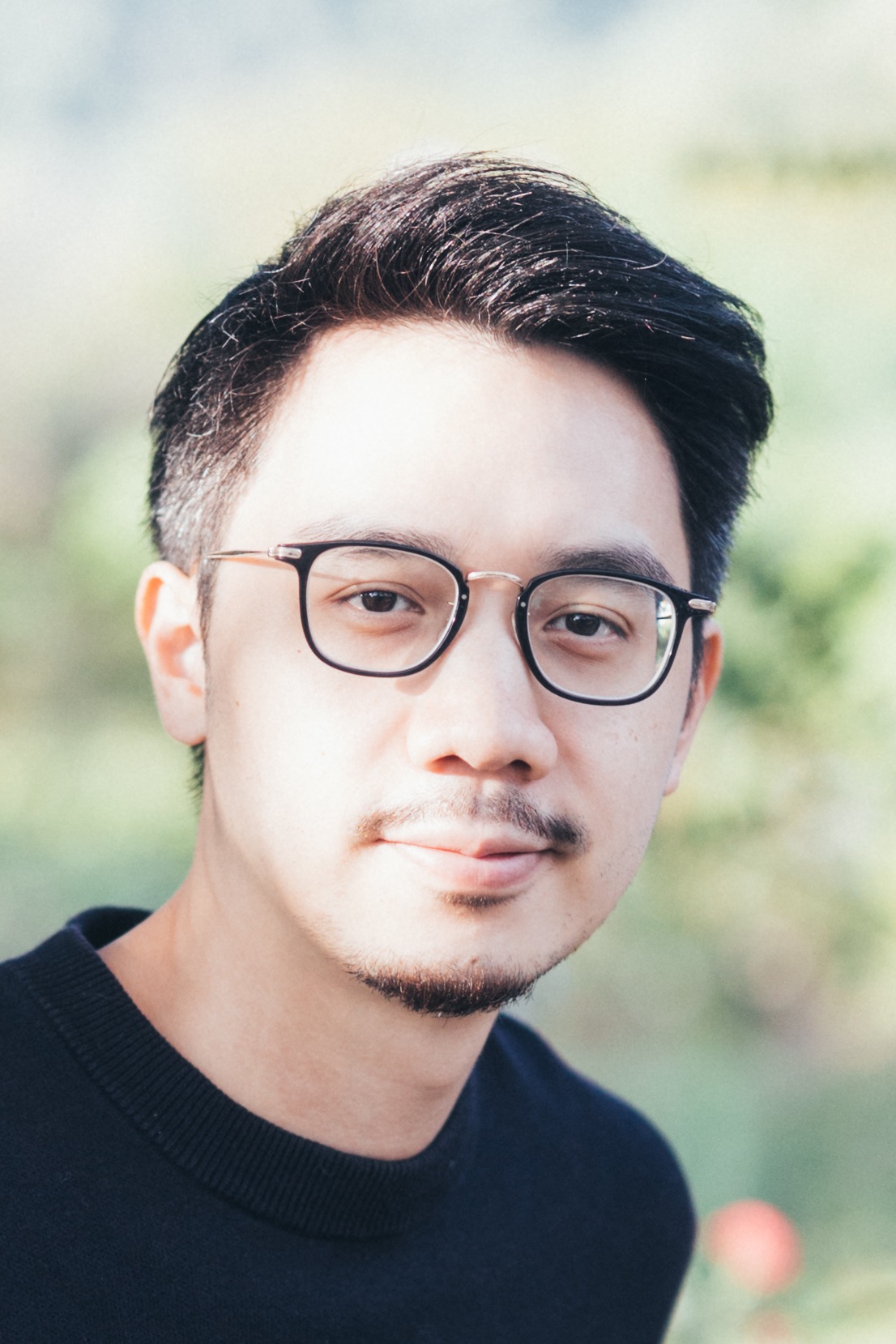
Samuel Tse, Head of Investment and Corporate Finance at Animoca Brands, focuses on investment opportunities across digital assets and agentic AI. He sees digital identity as essential to allowing AI agents to act on behalf of people while keeping transactions within the permissions they set.
He believes users should set clear rules for what an AI agent can do, allowing it to complete transactions without requiring approval for each one.
“Once agents can prove who they represent, hold digital assets, and move value under clear rules, the economy stops being click-by-click. You set the policy once—who, how much, for what—and the agent transacts inside it.”
He describes applications ranging from everyday payments and transfers to subscriptions, swaps and earning returns on idle funds. “That’s agentic transactions: payments, transfers, subscriptions, swaps, even chasing a better rate on idle cash. Identity is the trust layer. Assets and credentials are the spending authority—always accountable to the human who granted permission.”
In Tse’s account, the human remains the source of that authority. The agent acts within the permissions granted to it.
To illustrate how AI agents, digital identity and digital assets might work together, Tse offers a hypothetical Hong Kong parent's weekday.
“A Hong Kong parent’s weekday: top up the child’s Octopus, book a weekend football slot, translate a school notice for the helper, check weather before pickup, restock milk at the member price, and keep leftover budget earning until tomorrow.”
At present, he says, completing these tasks requires navigating services that often operate separately.
“Today that means many apps that don't talk to each other, and rails that struggle with micro payments.”
His proposed alternative brings the tasks together under instructions established by the user.
“With an agent, they set the rules once and let it decide what to do. Identity unlocks trust and member prices without oversharing. Digital assets fit the money—per-use fees, hard limits, yield until spend.”
For Tse, this combination could create opportunities across payments, merchants, identity providers and digital-asset platforms. He compares the potential scale of agentic commerce to an earlier change in how consumers accessed services.
“The iPhone in 2007 rewired how people buy and use services for 20 years. We are just at the beginning of a similar paradigm shift, with outcomes we can barely imagine.”
Discus Fish and Samuel Tse offer two perspectives on the emerging agentic economy, from the blockchain infrastructure enabling transactions to the digital identity and permissions that allow AI agents to act on people's behalf. At CVCF 2026, these ideas will become part of a wider conversation with the leaders building and investing in this evolving space.
Be part of the conversation. Join industry leaders, founders and investors at CVCF 2026 on 4–5 November and explore the technologies and opportunities shaping the next phase of business.
Exclusive for Ventureport readers: Use code cvcf26vp to access a Full Access Pass for HK$300, subject to confirmation by the organiser.
Keep Reading
A Hong Kong pilot explores how creator-led distribution could reshape livestreaming for global competitions
Updated
May 1, 2026 2:25 PM

A dance crew performs in sync on stage at World of Dance under spotlights. PHOTO: WORLD OF DANCE HONG KONG
On January 22, 2026, World of Dance Hong Kong became the first global event to pilot Mitico’s community-based livestreaming model. The idea is simple: rethink how live competitions are shared in a digital-first world.
Instead of relying on a single official broadcast, the event was produced as one centralised live feed. It was then distributed across multiple creators and influencers, each hosting the stream for their own audience.
This gave creators room to add their own commentary, adapt the language and bring in cultural context that suited their communities, while the production remained consistent behind the scenes.
“Dance is a universal language”, said David Gonzalez, President of World of Dance. “Our collaboration with Mitico to produce an international, creator-led livestream in Hong Kong allowed a regional competition to reach a global audience. With personalised commentary from hosts in different languages, we can begin to see how regional events may connect through global communities”. This approach points to a shift away from traditional broadcaster-led distribution and toward creator-led amplification.

Mitico’s approach begins with a familiar industry challenge: the high cost of production and licensing, which often makes it difficult to livestream cultural and sports events at scale.
“Many cultural and sports competitions are never livestreamed because traditional broadcasting is too costly and complex”, said Chengcheng Li, Founder of Mitico. “By distributing a centralised production feed through creators and community hosts, regional events can reach global audiences while maintaining a unified production workflow”.
World of Dance (WOD) offered a natural test environment. It started as a global dance competition platform before entering a television partnership with NBC, which later produced four seasons of the World of Dance reality series. While the television programme concluded in 2021, the competition business has continued to expand through an international network of partners. Today, World of Dance competitions are represented in more than 72 countries, producing nearly 100 events each year, with a digital audience of more than 34 million followers across platforms
Despite that scale, many competitions are not livestreamed due to the high production costs and technical demands associated with traditional broadcasting. The Hong Kong event was selected to assess whether a community-led distribution model could offer a more scalable alternative for live coverage.
While no changes to World of Dance’s broader distribution strategy have been announced, the Hong Kong pilot offers an early indication of how global competitions may rethink livestreaming in an increasingly creator-driven media environment.