
Discus Fish of Cobo and Samuel Tse of Animoca Brands discuss how AI agents, digital identity and blockchain could change the way money moves.
Updated
November 2, 2026 12:03 PM
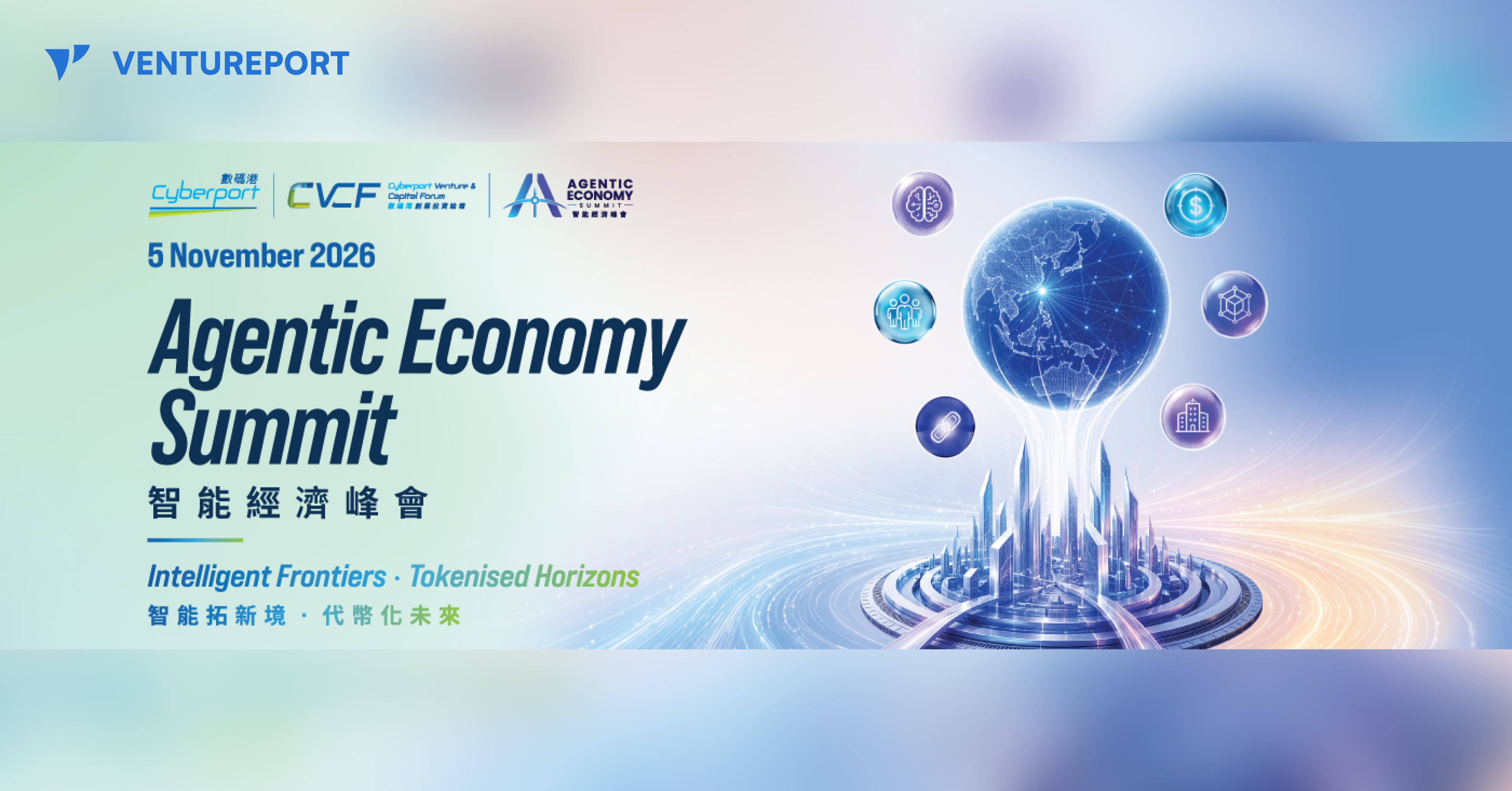
The Agentic Economy Summit at CVCF 2026 explores how AI agents and digital assets could shape the future of business and finance. IMAGE: CYBERPORT
For an AI agent to manage money on someone’s behalf, it needs more than the ability to follow instructions. It must be able to establish whom it represents, access funds and transact within agreed limits.
These are among the questions informing the discussion of AI and digital assets at Cyberport Venture Capital Forum (CVCF) 2026. Ahead of the forum, Discus Fish, CEO and Co-founder of Cobo, and Samuel Tse, Head of Investment and Corporate Finance at Animoca Brands, shared their views on how this convergence could develop—and where they see opportunities for businesses.
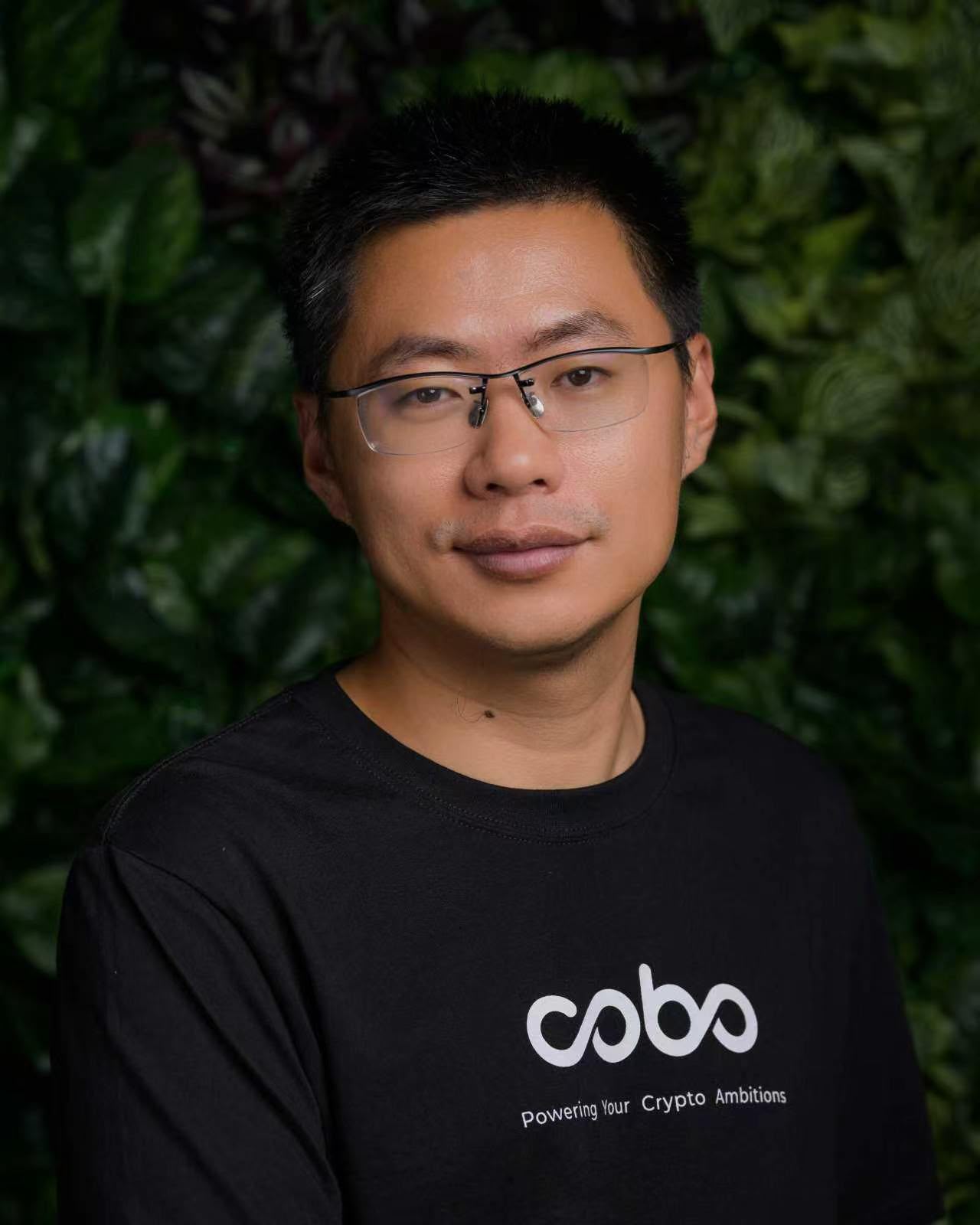
Discus Fish points to a longstanding challenge: blockchain can be difficult for everyday users to navigate, but AI agents may find it easier to interact with these networks.
“Blockchains have always been hard for ordinary people to use. AI agents may be better users: the chain is fully transparent and every record is traceable, which suits agents well.”
His outlook comes with a qualification. Both the agents and the networks they would use still need to develop.
“Agents aren’t capable enough yet, and chains are still adapting. But once agents truly run on-chain, the number of users and what’s possible will grow by an order of magnitude.”
Discus Fish says blockchain could reshape how financial assets are issued, traded and settled over the next five years. He also notes that institutional adoption has progressed faster than Cobo initially expected, with individual users no longer leading the shift. “Since 2017, we have believed blockchain will become part of the financial infrastructure of the future. We expected individual users to lead, but institutions moved faster.”
For Fish, the next stage involves a broader range of assets and financial clients.
“What gets redefined next is how assets are issued, traded, and settled. As traditional assets like US equities come on-chain, a much wider range of financial clients will follow.”

Samuel Tse, Head of Investment and Corporate Finance at Animoca Brands, focuses on investment opportunities across digital assets and agentic AI. He sees digital identity as essential to allowing AI agents to act on behalf of people while keeping transactions within the permissions they set.
He believes users should set clear rules for what an AI agent can do, allowing it to complete transactions without requiring approval for each one.
“Once agents can prove who they represent, hold digital assets, and move value under clear rules, the economy stops being click-by-click. You set the policy once—who, how much, for what—and the agent transacts inside it.”
He describes applications ranging from everyday payments and transfers to subscriptions, swaps and earning returns on idle funds. “That’s agentic transactions: payments, transfers, subscriptions, swaps, even chasing a better rate on idle cash. Identity is the trust layer. Assets and credentials are the spending authority—always accountable to the human who granted permission.”
In Tse’s account, the human remains the source of that authority. The agent acts within the permissions granted to it.
To illustrate how AI agents, digital identity and digital assets might work together, Tse offers a hypothetical Hong Kong parent's weekday.
“A Hong Kong parent’s weekday: top up the child’s Octopus, book a weekend football slot, translate a school notice for the helper, check weather before pickup, restock milk at the member price, and keep leftover budget earning until tomorrow.”
At present, he says, completing these tasks requires navigating services that often operate separately.
“Today that means many apps that don't talk to each other, and rails that struggle with micro payments.”
His proposed alternative brings the tasks together under instructions established by the user.
“With an agent, they set the rules once and let it decide what to do. Identity unlocks trust and member prices without oversharing. Digital assets fit the money—per-use fees, hard limits, yield until spend.”
For Tse, this combination could create opportunities across payments, merchants, identity providers and digital-asset platforms. He compares the potential scale of agentic commerce to an earlier change in how consumers accessed services.
“The iPhone in 2007 rewired how people buy and use services for 20 years. We are just at the beginning of a similar paradigm shift, with outcomes we can barely imagine.”
Discus Fish and Samuel Tse offer two perspectives on the emerging agentic economy, from the blockchain infrastructure enabling transactions to the digital identity and permissions that allow AI agents to act on people's behalf. At CVCF 2026, these ideas will become part of a wider conversation with the leaders building and investing in this evolving space.
Be part of the conversation. Join industry leaders, founders and investors at CVCF 2026 on 4–5 November and explore the technologies and opportunities shaping the next phase of business.
Exclusive for Ventureport readers: Use code cvcf26vp to access a Full Access Pass for HK$300, subject to confirmation by the organiser.
Keep Reading
The Influencer Evolution: Recognizing the Power and Potential of Each Type.
Updated
January 8, 2026 6:35 PM

A group of people filming a video for social media. PHOTO: UNSPLASH
In an era where social media reigns supreme, influencers have emerged as powerful players in the marketing game. They have the ability to sway opinions, drive trends, and create waves of engagement that brands can only dream of. But not all influencers are created equal; they come in various shapes and sizes, each with a unique approach to connecting with their audience. Under standing the different types of influencers can illuminate how they impact our daily lives and the choices we make. Let’s dive into the captivating world of influencers and explore the diverse categories that define them.
When you think of influencers, mega influencers are often the first that come to mind. These are the A-list celebrities, athletes, and global icons with millions of followers on platforms like Instagram, TikTok, and YouTube. Their immense reach allows brands to tap into vast audiences, making them highly sought after for endorsements.
Mega influencers have the power to generate instant buzz around a product or campaign. Their celebrity status lends credibility, and fans are often eager to emulate their lifestyles. However, this type of influencer can come with a hefty price tag, making them suitable for brands with substantial marketing budgets.
Just below the mega influencers are macro influencers, who typically boast between 100,000to 1 million followers. While they may not have the same level of fame as celebrities, macro influencers often command a loyal and engaged audience. They are usually experts in specific niches, such as fitness, beauty, travel, or technology.
Macro influencers combine reach with relevance. Their targeted expertise allows brands to connect with specific demographics, making them an ideal choice for campaigns aimed at niche markets. Their followers often view them as relatable and trustworthy, which can lead to higher engagement rates.
Micro influencers are the rising stars of the influencer world, typically having between 10,000 to 100,000 followers. What sets them apart is their authentic connection with their audience. They often have a more intimate relationship with their followers, leading to higher engagement and trust.
Brands are increasingly turning to micro influencers for their ability to create genuine conversations around products. The cost-effectiveness of partnering with micro influencers also allows brands to run multiple campaigns across different influencers, amplifying their reach while maintaining authenticity.
At the bottom of the influencer hierarchy are nano influencers, who have 1,000 to 10,000 followers. While their follower count may be modest, nano influencers often possess a highly engaged audience that views them as close friends, families or peers rather than celebrities.
Nano influencers are perfect for brands looking to create grassroots campaigns. Their genuine enthusiasm and relatability can lead to strong word-of-mouth marketing. Engaging with nano influencers often comes at a lower cost, making them an attractive option for small businesses and startups.
Brand ambassadors are influencers who have a long-term relationship with a brand, often representing them across multiple campaigns. They can fall into any of the previous categories but are distinguished by their commitment to the brand and its values.
By cultivating brand ambassadors, companies can create consistent messaging and foster loyalty among customers. These influencers often resonate with audiences more deeply, as they embody the brand’s identity and promote its products authentically over time.
The world of influencers is as diverse as it is dynamic, with each type offering unique advantages for brands looking to connect with consumers. From the glitzy allure of mega influencers to the genuine relatability of nano influencers, understanding these categories can help brands make informed choices in their marketing strategies. As the digital landscape continues to evolve, the role of influencers will only grow, shaping trends and driving engagement in ways we are just beginning to comprehend. By leveraging the right type of influencer, brands can effectively navigate this vibrant ecosystem, ensuring their message resonates with the audiences that matter most.