
The CE approval opens Europe for Cornerstone Robotics as the company expands its global surgical robotics business
Updated
May 29, 2026 4:20 AM

A tray of surgical tools. PHOTO: UNSPLASH
As surgical robotics companies expand beyond domestic markets, regulatory approvals are becoming a critical part of global growth. Companies are no longer competing only on hardware and clinical performance. They are also competing on their ability to enter tightly regulated healthcare systems and build long-term hospital partnerships.
Hong Kong-based Cornerstone Robotics is now moving further into that phase of expansion after its Sentire Endoscopic Surgical System received CE Mark certification under the European Union’s Medical Device Regulation framework.
The approval allows the company to commercialize the system across European markets for minimally invasive procedures in general surgery, gynecology, thoracic surgery and urology. For surgical robotics companies, regulatory approvals often represent more than product validation. They also determine market access, hospital adoption opportunities and long-term commercial scale.
Cornerstone Robotics has already been building clinical operations in the UK ahead of the approval. Since 2025, the company has worked with Portsmouth Hospitals University NHS Trust on clinical investigations involving the Sentire Surgical System. According to the company, the system has been used across procedures involving urology, gynecology and gastrointestinal surgery. The company says the clinical investigation helped generate real-world data to support physician training, research and future adoption efforts.
Alongside the regulatory approval, Cornerstone Robotics is also expanding its local operations in Europe. The company established a UK subsidiary in 2025 and has been developing training, clinical support and after-sales service capabilities for hospitals using the system.
That operational buildout reflects a larger challenge inside surgical robotics. Hospitals adopting robotic systems often require ongoing clinical training, technical support and workflow integration alongside the hardware itself.
Cornerstone Robotics says its strategy centers around vertically integrated development across engineering, software, imaging and robotics systems. The company argues that this structure gives it greater control over product development, supply chain management and long-term operational stability.
Professor Samuel Au, Founder and CEO of Cornerstone Robotics, said: "Receiving CE Certification marks a major milestone in Cornerstone Robotics' evolution from a technology innovator to a global clinical solutions provider. From our first clinical investigation in Portsmouth, UK, to achieving European regulatory approval, each step of the journey reflects our commitment to proprietary innovation, product excellence, and clinical value. Looking ahead, we will continue expanding into key global markets and partnering with leading medical institutions to bring high-quality surgical robotic solutions to more physicians and patients worldwide."
The CE approval also comes several months after the company completed an oversubscribed financing round of approximately US$200 million in November 2025.
The funding and regulatory expansion together signal how surgical robotics companies are increasingly entering a more commercially focused stage of growth. Beyond research and development, companies are now investing more heavily in regulatory approvals, hospital partnerships, physician training and international operational infrastructure as competition expands across global healthcare markets.
Keep Reading
Mainland giants accelerate expansion as local players face unprecedented competition.
Updated
January 8, 2026 6:34 PM
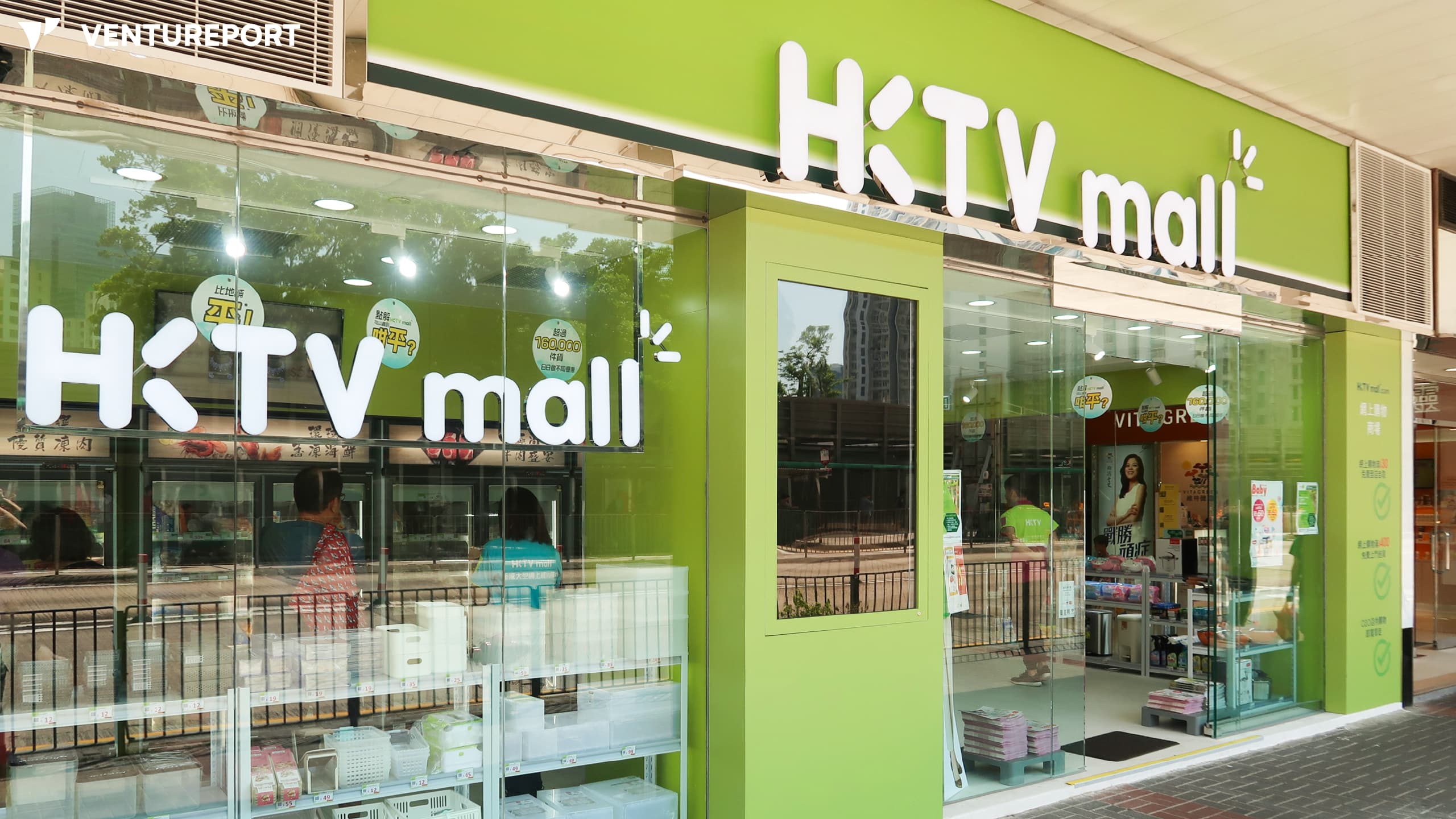
HKTV Mall in Amoy Plaza. PHOTO: WIKIPEDIA USER -WPCPEY
Hong Kong is entering a new phase of competition as mainland platforms accelerate their expansion into the city, turning it into a frontline testing ground for Chinese companies preparing to push into global markets. With retail, logistics and food-delivery businesses all reshaped in the past year, Hong Kong has become the closest international environment where mainland firms can experiment with pricing, supply chains and customer behaviour under a familiar regulatory and cultural framework.
The shift became especially clear this week. At HKTVmall’s Vision Day on November 11, 2025, CEO Ricky Wong warned that Hong Kong’s traditional retail model is facing its toughest moment yet. He said the biggest threat is not mainland competitors like Taobao, JD.com or Pinduoduo entering Hong Kong, but the city’s longstanding dependence on physical shopping. If local retailers do not evolve, he said, they risk becoming “very easy to die of thirst in the desert”. Wong even welcomed the rise of mainland e-commerce giants, arguing that the more players enter the city, the faster consumers will shift online — a transition HKTVmall relies on for growth.
Yet his optimism is layered over a challenging reality. HKTVmall’s own numbers reflect pressure from competition and changing consumer habits. The company reported average daily GMV of HK$22.2 million during the latest shopping festival season — up 2.8% month-on-month but still down 4.3% compared year-on-year — showing that even established online platforms are struggling to maintain momentum as mainland entrants squeeze prices and widen product selection.
The city’s food-delivery market illustrates the shift even more sharply. Deliveroo, once the fastest-growing platform in Hong Kong and at one point holding more than half of the market, officially shut down in April this year after a long decline. Its trajectory mirrored the sector’s upheaval: the company surged during the pandemic but lost ground after restrictions eased, first overtaken by Foodpanda and then pressured heavily by Meituan-backed Keeta, which entered Hong Kong in 2023 and quickly seized about 30% of citywide orders.
Deliveroo’s exit and the handover of parts of its business to Foodpanda did little to stabilise the market. Keeta’s rapid expansion instead pushed Foodpanda onto the defensive, leaving two major players competing in a market shaped by mainland-style pricing and operations. Hong Kong’s delivery sector, once dominated by global firms, is increasingly defined by Chinese platforms optimizing speed and efficiency at a scale few competitors can match.
These changes are unfolding as Chinese companies shift their focus toward new global markets.
With China reducing its reliance on the US and EU and exports steadily moving toward ASEAN, Hong Kong has become a strategic launchpad. The city’s proximity, language familiarity and regulatory structure make it the nearest international setting where Chinese firms can test overseas strategies before expanding into Southeast Asia, the Middle East or Latin America. The result is a competitive intensity that local companies have rarely experienced. Retailers face price pressure they can’t match, local platforms are losing ground to mainland giants and global players are struggling to stay in the game.
Consumers benefit from lower prices, faster delivery and wider choice — but for Hong Kong businesses, the landscape has turned unforgiving. Mainland companies are not treating Hong Kong as a final destination but as the first stop in a broader global push. That positioning is reshaping the city’s entire consumer economy. As more mainland firms look outward, Hong Kong’s role as a testing ground will only deepen and the first players to feel the impact will be those operating closest to the consumer.