
As workplace knowledge spreads across chats, AI firms are building systems that can structure, retrieve and preserve it over time.
Updated
August 10, 2026 5:56 PM

A messaging app on a phone. PHOTO: ADOBE STOCK
Votee AI, an enterprise AI company headquartered in Hong Kong, has partnered with its Toronto-based research lab Beever AI to launch Beever Atlas. The new platform is designed to turn workplace chats into searchable knowledge that AI systems can retrieve and understand.
The release focuses on a growing issue inside organisations. Much of today’s workplace knowledge now exists inside chat platforms such as Slack, Microsoft Teams, Discord and Telegram. Important discussions, project decisions and technical information often disappear into long message histories that are difficult to search later.
Beever AI developed the platform to organise those conversations into a structured system for AI assistants. The software connects with Telegram, Discord, Mattermost, Microsoft Teams and Slack, then converts conversations into linked records of people, projects, files and decisions.
The collaboration combines Votee AI’s enterprise infrastructure work with Beever AI’s research around AI memory systems. The companies are releasing two versions of the product. The open-source edition is aimed at individual developers, researchers and creators. The enterprise edition is designed for banks, government agencies and larger organisations with stricter security requirements.
The release also reflects a broader shift happening across the AI industry. Companies are increasingly looking at how AI systems store and retrieve long-term knowledge, rather than relying solely on large context windows or search-based retrieval.
Earlier this year, OpenAI founding member and former director of AI at Tesla Andrej Karpathy discussed the growing need for what he described as “LLM Knowledge Bases.” He argued that AI systems need structured and evolving memory rather than depending only on context windows and vector search.
Beever Atlas approaches that problem through workplace communication. Instead of focusing mainly on uploaded files, the system is designed around conversations that happen daily across team chat platforms. It can also process images, PDFs, voice notes and video files within the same searchable system.
The companies say the software is designed to work directly with AI assistants and coding tools such as Cursor, AWS Kiro and Qwen Code. Integrations for OpenClaw and Hermes Agent are expected later in 2026.
Pak-Sun Ting, Co-Founder and CEO of Votee AI said: "Hong Kong has always been known for property and finance. Beever Atlas is proof that world-class AI infrastructure can emerge from an HK-headquartered company and be shared openly with the world. Every growing organization faces the same silent liability: conversational knowledge loss. Beever Atlas turns this perishable resource into a compounding organizational asset."
A large part of the enterprise version focuses on privacy and access control. The system mirrors permissions from Slack and Microsoft Teams so users can only retrieve information they are already authorised to access. Permission updates are reflected automatically when access changes inside company systems.
The enterprise edition also includes audit logs, encryption controls and data retention settings for organisations handling sensitive internal data. Companies can run the software entirely inside their own infrastructure using Docker and connect it to their preferred AI models through LiteLLM.
The companies argue that organising information is more useful than simply storing chat archives. Jacky Chan Co-Founder and CTO of Votee AI said: "The key technical decision was to treat agent memory as a knowledge engineering problem, not a retrieval problem. Structure beats similarity — a typed graph of who works on what is more useful to an AI than vector search over a Slack archive."
The software also includes protections against prompt injection attacks and systems designed to reduce hallucinated responses. According to the companies, the AI is designed to return “I don't know” with citations when confidence is low instead of generating unsupported answers.
As workplace communication becomes increasingly fragmented across chat platforms, companies are beginning to treat internal conversations as information that AI systems can organise, retrieve and build on. Beever Atlas reflects a broader push to turn everyday workplace communication into long-term organisational memory.
Keep Reading
New funding and ad support aim to ease capital gaps for small wedding businesses
Updated
March 17, 2026 1:01 AM
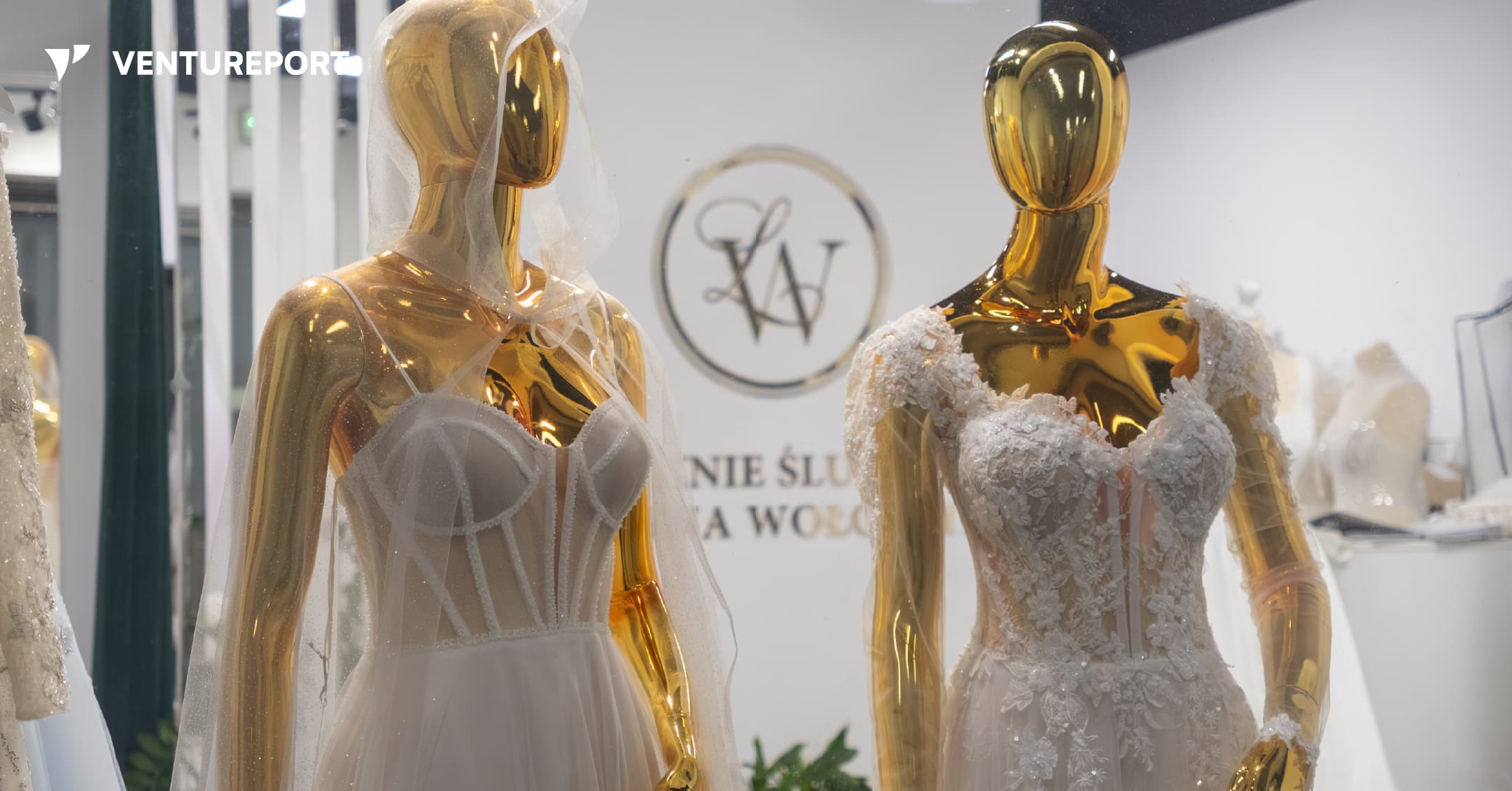
Mannequins display white wedding dresses in a bridal shop window. PHOTO: ADOBE STOCK
The Knot Worldwide, a global wedding technology platform and vendor marketplace, has launched a new grant initiative aimed at small businesses in the wedding industry.
The company, which operates brands such as The Knot and WeddingWire, connects couples with wedding professionals and provides tools to help vendors grow. It says the new WeddingPro Grant Program is designed to address a persistent challenge in the sector: access to capital.
Under the program, up to US$500,000 will be distributed to U.S.-based wedding professionals who run small businesses. The support will come in the form of financial grants, advertising credits on WeddingPro and mentorship. Selected businesses will also receive access to education resources and community support through the company’s network.
The move comes at a time when many wedding businesses remain small and resource-constrained. According to the company’s State of the Vendor Report, more than half of wedding businesses employ fewer than ten people. Three in four professionals surveyed said adaptability is critical to long-term success, while flexible funding remains a barrier. The grant program is positioned as a response to that funding gap.
“Our mission at The Knot Worldwide is to help the nearly 900,000 small businesses on our global platforms get discovered through our centralized vendor marketplace as well as give them the tools and resources to grow their business,” said Raina Moskowitz, Chief Executive Officer, The Knot Worldwide. “We consistently hear from our wedding professionals that access to capital is a barrier to getting started in the industry. With our new WeddingPro Grant Program, we will provide access to both capital and critical support services such as mentorship and education that will enable small business owners to further grow and scale.”
The application window opens on February 23 and closes on March 27. Winners are expected to be notified by May 2026, subject to eligibility verification and compliance with the official rules.
The program is open to U.S. wedding professionals who operate small businesses, have been in business for at least six months, can demonstrate an active revenue stream and earn at least 50% of their revenue from weddings. Applicants must submit a short form and a video outlining their business and how they would use the grant funds over the next 12 to 24 months. They can choose whether they prefer a monetary grant or free advertising support on WeddingPro.
To execute the program, The Knot Worldwide has partnered with the Global Entrepreneurship Network, which works with entrepreneurs worldwide. The company says the initiative builds on earlier efforts to support vendors on its platform, which includes about 200,000 wedding professionals in the United States. Its impact will depend on how effectively the support reaches the businesses that need it most. The real measure will be whether it helps them achieve steady, sustainable growth.