
How the high-profile trial of the music mogul offers lessons for entrepreneurs on accountability, ethics, and leadership.
Updated
January 8, 2026 6:35 PM
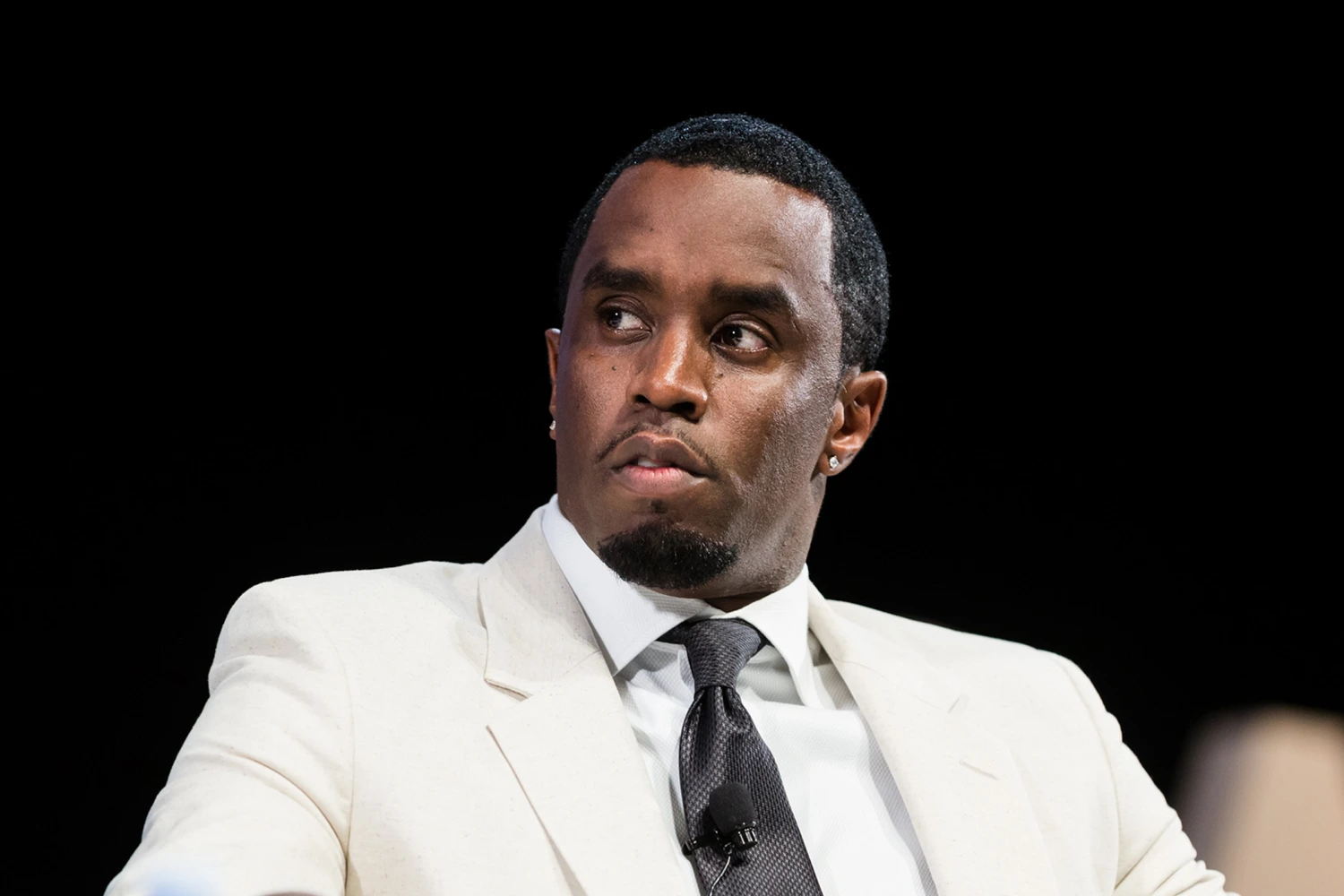
Sean "DIddy" Combs. PHOTO: NPC NEWS
Sean “Diddy” Combs—hip-hop icon, entrepreneur, and cultural force—has built a career on his larger-than-life persona, business acumen, and ability to dominate industries ranging from music to fashion to spirits. But his recent trial, which involves explosive allegations of racketeering, sex trafficking, and transportation to engage in prostitution, has cast a shadow over his legacy.
The federal trial, which began after his arrest in September 2024, has revealed shocking claims, including coercion, manipulation, and the abuse of power in both personal and professional settings. While Combs has pleaded not guilty to all charges, the case offers valuable lessons for small business owners about leadership, ethics, and the responsibility that comes with power.
Here’s what entrepreneurs can learn from the allegations and fallout surrounding Diddy’s trial.
Diddy has been accused of creating a toxic environment that involved coercion, manipulation, and abuse of power—both in his personal relationships and his professional dealings. The trial has highlighted allegations of “freak-offs,” elaborate sexual encounters with escorts that were reportedly coerced, as well as threats of financial and reputational harm to control others.
In business, leaders hold significant power over employees, partners, and collaborators. whether through coercion, intimidation, or favoritism—can lead to toxic environments and long-term damage to the organization.
The case has shown how Diddy’s alleged actions went unchecked for years, with accusations of violence, threats, and even financial control over his accusers. Testimonies from former employees and partners reveal a pattern of behavior that created a culture of fear and silence around him.
For small business owners, this is a reminder that accountability begins with leadership. If you fail to hold yourself and others accountable, you risk fostering an environment where misconduct is ignored or accepted.
A recurring theme in the trial is how Combs’ personal actions—both alleged and confirmed—have affected his professional reputation. From footage of him physically assaulting Cassie in a hotel hallway to allegations of coercion during drug-fueled parties, the courtroom revelations have tarnished his public image and cast a shadow over his brand.
For small business owners, this reinforces an important truth: your personal behavior can have far-reaching consequences for your business. Customers, employees, and partners often associate the values and reputation of a business with its leader.
The case has also highlighted the dangers of power imbalances. Testimonies from accusers like Cassie allege that Diddy used financial control—such as threatening to withhold rent payments—to coerce others into complying with his demands.
In a small business setting, power dynamics are also present, particularly between employers and employees or business owners and partners. Misusing that power, even unintentionally, can lead to resentment, distrust, and legal challenges.
The allegations against Diddy span more than a decade, with claims of abuse dating back decades. Had there been systems in place to address grievances or hold him accountable earlier, the damage to his brand—and to the individuals involved—might have been mitigated.
For small businesses, neglecting proactive measures to address workplace issues can lead to larger crises later. Waiting until problems escalate is not only costly but can also permanently harm your business’s reputation.
The Sean “Diddy” Combs trial is a cautionary tale about the consequences of unchecked power, unethical behavior, and a lack of accountability. For small business owners, it underscores the importance of leadership that prioritizes transparency, fairness, and integrity.
Running a business isn’t just about profits—it’s about creating a legacy founded on trust and respect. By learning from the mistakes and controversies of others, entrepreneurs can build companies that inspire loyalty, foster positive relationships, and stand the test of time.
Keep Reading
METiS TechBio’s blockbuster IPO signals rising investor interest in AI startups focused on how drugs are delivered inside the body
Updated
August 10, 2026 5:56 PM

HIV-1 virus particles, coloured red. PHOTO: UNSPLASH
Investors are beginning to place bigger bets on AI startups focused on drug delivery infrastructure rather than drug discovery alone. That shift was on display this week after METiS TechBio, a Hong Kong tech-bio startup focused on AI-powered drug delivery systems, debuted on the Hong Kong Stock Exchange.
The listing made METiS TechBio the world’s first publicly traded AI-powered drug delivery startup and the first AI-powered large-molecule biopharmaceutical startup listed in Hong Kong. The startup raised more than HKD 2.1 billion through its IPO, making it the largest healthcare listing in Hong Kong so far in 2026.
Investor demand was unusually strong. The Hong Kong public offering was oversubscribed by more than 6,900 times while the international tranche recorded 82 times oversubscription. More than 280 institutional investors participated in the international placing.
The strong demand reflects a wider shift in AI biotech. Over the past few years, much of the sector’s attention has focused on using AI to discover new drugs or molecules. METiS is taking a different approach. The startup focuses on how medicines are delivered inside the body after they are developed.
That challenge is becoming harder to ignore in biotech. Designing a therapy is only one part of the process. Delivering it precisely to specific organs, tissues or cells remains a major hurdle, especially for newer therapies involving RNA, proteins and large-molecule drugs.
METiS is trying to solve that problem through its proprietary NanoForge platform. The system uses AI to design and test nanodelivery systems that help medicines reach targeted areas inside the body more efficiently. The platform combines AI models, simulation systems and high-throughput screening tools to speed up formulation development and improve delivery precision.
The startup says it has already achieved targeted delivery across eight organs and tissue systems including the liver, lungs, heart, muscles and central nervous system.
One of its lead programs, MTS-004, became China’s first AI-enabled formulation drug to complete a Phase III clinical trial. The drug is being developed for pseudobulbar affect, a neurological condition that affects emotional expression. According to the startup, AI tools helped reduce preclinical formulation development time from up to two years to less than three months.
Investor interest in the IPO also came from some of the world’s largest asset managers and healthcare funds. BlackRock led the cornerstone investments with a USD 50 million subscription. Other participating investors included UBS Asset Management Singapore, Mirae Asset, ORIX Corporation, Deerfield, RTW, Hillhouse Capital and IDG Capital.
METiS is also building what it describes as a “platform collaboration + product partnership” business model. The startup currently works with more than 30 pharmaceutical and biotechnology partners globally, including large pharmaceutical companies and medical research institutions.
The company reported RMB 105 million in revenue in 2025, largely tied to upfront payments connected to its MTS-004 partnership agreements. It also said some platform collaboration contracts could reach milestone values of up to USD 109 million.
Chris Lai said: "The future of biomedicine will no longer be simply about 'taking medicine when one falls ill.' METiS TechBio's ambition is to harness AI to build nano-rockets that can navigate with precision through the inner space of the human body's 30 trillion cells, write the code of nucleic acids and proteins into cells, and reprogram diseased and aging cells into healthy cells. This was our founding aspiration, and it is the mission to which we will dedicate our lives. The IPO marks a new starting point for us to accelerate forward, and we will strive to live up to the support and trust we have received from all sectors."
The IPO also highlights how Hong Kong is increasingly positioning itself as a hub for next-generation biotech and AI healthcare startups. While investor excitement around AI drug discovery has cooled in parts of the market, startups focused on delivery systems and biotech infrastructure are beginning to attract stronger institutional backing.
For METiS, the challenge now will be turning that investor confidence into commercially viable therapies and long-term partnerships. But the listing suggests that AI-driven drug delivery is starting to emerge as a category investors are willing to treat as core biotech infrastructure rather than a niche research experiment.