
WIRobotics is betting that years of real-world movement data could shape the next generation of humanoid robots
Updated
August 10, 2026 5:56 PM

3D render of a person in various colours. PHOTO: UNSPLASH
Investor interest in humanoid robotics is continuing to grow as startups race to build systems capable of working alongside humans in real-world environments. That momentum was reflected after WIRobotics announced a KRW 95 billion (USD 68 million) Series B funding round to accelerate development of its humanoid robotics platform, ALLEX.
The Seoul-based startup said the funding comes roughly two years after its KRW 13 billion Series A round in 2024. JB Investment led the financing alongside investors including InterVest, Hana Ventures, Smilegate Investment, SBVA, NH Investment & Securities, Company K Partners, GU Investment and FuturePlay.
WIRobotics has spent the past several years building wearable robotics systems designed to assist human movement. The startup is now using that foundation to expand deeper into humanoid robotics and Physical AI, a category focused on AI systems that can interact with the physical world through movement, perception and manipulation.
Its humanoid platform, ALLEX, is being developed to support human-level object manipulation and interaction capabilities. The startup was recently selected for NVIDIA’s Physical AI Fellowship, a global robotics and AI development initiative aimed at supporting next-generation robotics research.
Rather than building humanoid systems entirely from scratch, WIRobotics is drawing on movement data collected through its wearable walking-assist robot, WIM. Over the past three years, the startup says it has built large real-world datasets around gait patterns, mobility and human movement control.
That wearable robotics business has also started showing commercial traction. WIM has sold more than 3,000 cumulative units and expanded into overseas markets including Europe, China, Türkiye and Japan. Revenue grew from KRW 560 million in 2023 to KRW 1.3 billion in 2024, then to KRW 2.79 billion in 2025. According to the startup, first-quarter 2026 revenue has already surpassed its full-year 2024 total.
The startup believes that real-world movement data collected through wearable robotics could become a competitive advantage as humanoid systems move closer to commercial deployment. WIRobotics is also expanding its global footprint alongside its robotics development efforts. The startup said it is establishing a North American entity in California while growing partnerships with overseas distributors and healthcare networks.
Its humanoid ambitions are moving into a more operational phase as well. Beginning later this year, WIRobotics plans to supply a research-focused version of its Mobile ALLEX platform to global research institutions and international partners for testing and collaborative development. The startup is also in discussions with a global automotive manufacturer around manufacturing-focused platform validation projects.
Yeonbaek Lee said: "This investment represents global recognition that the real-world movement data and control technologies accumulated through wearable robotics can evolve into next-generation humanoid robotics. We aim to accelerate the arrival of humanoid robots capable of interacting naturally with people".
Yongjae Kim added: "All investors from our previous Series A round participated again in this Series B financing, demonstrating strong confidence in WIRobotics' technological capabilities and growth potential amid intensifying global humanoid competition. Our mission is to realize humanoids capable of fundamentally human-like interaction and force control, driving a paradigm shift in high-performance manipulation technologies".
As competition intensifies across humanoid robotics, startups are increasingly trying to differentiate themselves through real-world deployment data rather than simulation alone. WIRobotics is positioning its wearable robotics business as the foundation for that transition, betting that years of human movement data could help shape the next generation of humanoid systems.
Keep Reading
New funding and ad support aim to ease capital gaps for small wedding businesses
Updated
March 17, 2026 1:01 AM
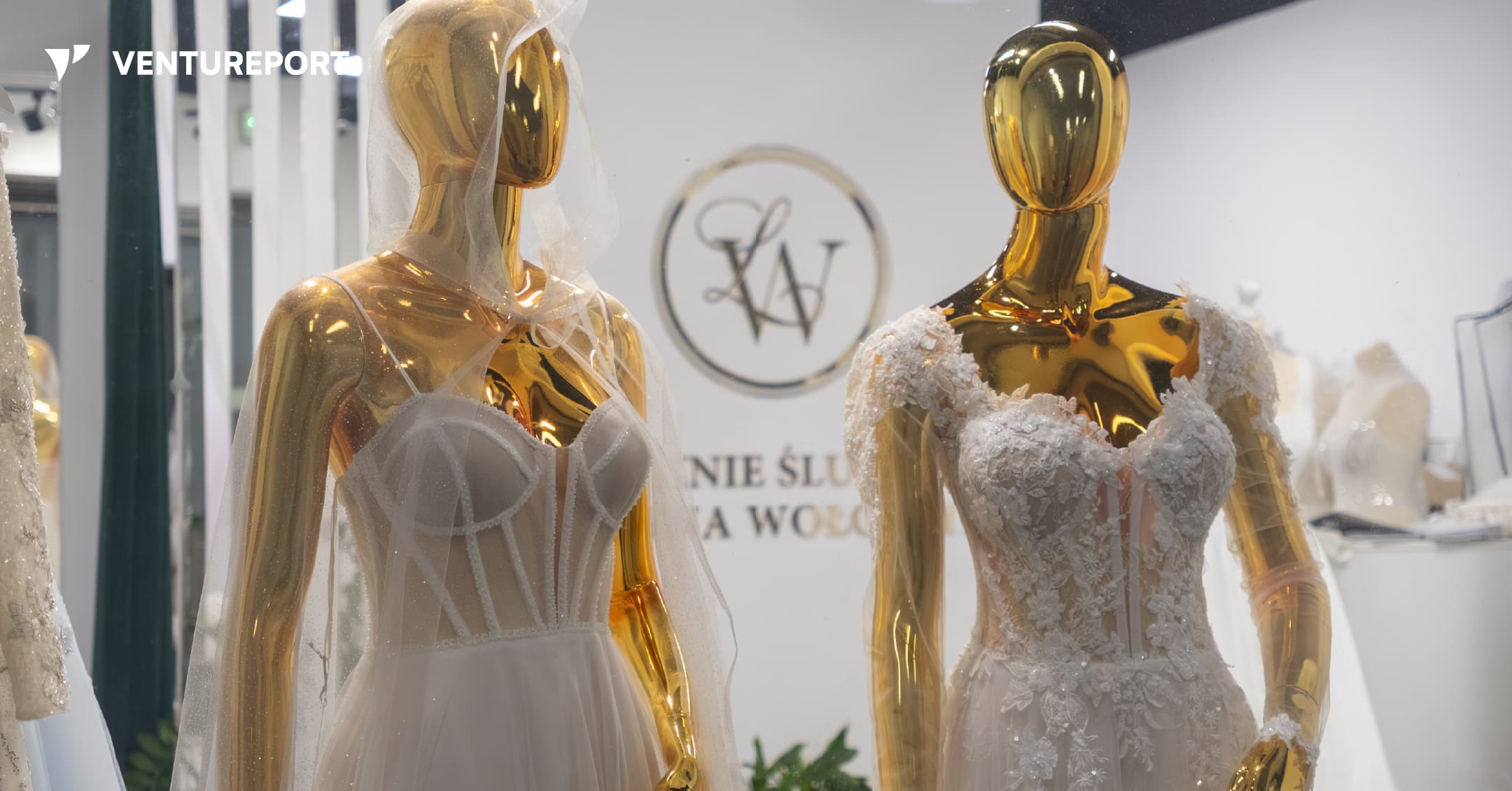
Mannequins display white wedding dresses in a bridal shop window. PHOTO: ADOBE STOCK
The Knot Worldwide, a global wedding technology platform and vendor marketplace, has launched a new grant initiative aimed at small businesses in the wedding industry.
The company, which operates brands such as The Knot and WeddingWire, connects couples with wedding professionals and provides tools to help vendors grow. It says the new WeddingPro Grant Program is designed to address a persistent challenge in the sector: access to capital.
Under the program, up to US$500,000 will be distributed to U.S.-based wedding professionals who run small businesses. The support will come in the form of financial grants, advertising credits on WeddingPro and mentorship. Selected businesses will also receive access to education resources and community support through the company’s network.
The move comes at a time when many wedding businesses remain small and resource-constrained. According to the company’s State of the Vendor Report, more than half of wedding businesses employ fewer than ten people. Three in four professionals surveyed said adaptability is critical to long-term success, while flexible funding remains a barrier. The grant program is positioned as a response to that funding gap.
“Our mission at The Knot Worldwide is to help the nearly 900,000 small businesses on our global platforms get discovered through our centralized vendor marketplace as well as give them the tools and resources to grow their business,” said Raina Moskowitz, Chief Executive Officer, The Knot Worldwide. “We consistently hear from our wedding professionals that access to capital is a barrier to getting started in the industry. With our new WeddingPro Grant Program, we will provide access to both capital and critical support services such as mentorship and education that will enable small business owners to further grow and scale.”
The application window opens on February 23 and closes on March 27. Winners are expected to be notified by May 2026, subject to eligibility verification and compliance with the official rules.
The program is open to U.S. wedding professionals who operate small businesses, have been in business for at least six months, can demonstrate an active revenue stream and earn at least 50% of their revenue from weddings. Applicants must submit a short form and a video outlining their business and how they would use the grant funds over the next 12 to 24 months. They can choose whether they prefer a monetary grant or free advertising support on WeddingPro.
To execute the program, The Knot Worldwide has partnered with the Global Entrepreneurship Network, which works with entrepreneurs worldwide. The company says the initiative builds on earlier efforts to support vendors on its platform, which includes about 200,000 wedding professionals in the United States. Its impact will depend on how effectively the support reaches the businesses that need it most. The real measure will be whether it helps them achieve steady, sustainable growth.