
Circles is using AI to turn telecom support from a cost centre into a faster, more personalised growth engine
Updated
August 10, 2026 5:56 PM

A woman holding a phone while using a laptop. PHOTO: ADOBE STOCK
Circles, a Singapore startup that builds software for digital telecom operators, has launched an AI concierge as part of its partnership with OpenAI. The release marks a new step in the company’s effort to modernise how telecom providers serve and retain customers. The move reflects a wider shift in the telecom sector. Many operators still rely on older support systems that can be slow, fragmented and costly to run. AI is now being tested as a way to improve service while creating new revenue opportunities.
Circles said the concierge is built on OpenAI’s API platform and sits within what it calls an AI-native telecom stack. In practical terms, the system is designed to handle customer support, account changes and personalised offers through automated interactions.
One part of the platform is called CareX. According to the company, it can deal with billing issues, service requests and network-related problems. Circles said CareX currently resolves 85% of customer queries globally without human intervention and reaches a 95% resolution rate on end-to-end tasks. That matters because customer support remains one of the larger operating costs for telecom providers. Faster automated handling could lower pressure on service teams while reducing wait times for users.
The second part of the platform is Xplore IQ, which focuses on revenue growth. The tool is designed to predict what a customer may need, recommend a suitable plan or offer and complete upgrades or downgrades automatically. Circles said the early rollout has led to a 22% rise in average revenue per user for Circles.Life Singapore. It also said personalised offers helped reduce customer churn by 9%.
"AI should empower users - not force-fit into outdated journeys. OpenAI's role has been critical in enabling Circles to scale this vision globally. With the AI concierge, we are moving beyond providing simple answers to delivering real-world outcomes, along with balancing cost and latency to maximize value for operators and customers alike", said Awais Malik, Global Chief Growth Officer at Circles.
"Circles is demonstrating how advanced AI can modernize essential industries like telecommunications at scale. By combining frontier models with multi-agent systems, they are enabling telecom operators globally to deliver faster, smarter and more personalized customer experiences. This milestone is a strong example of how AI can deliver tangible value for businesses and customers they serve", Oliver Jay, Managing Director, International for OpenAI, added.
Together, the tools are intended to connect customer service, operations and sales into one system. Rather than treating support and monetisation as separate functions, the company is combining them into a single digital layer.
Circles said the partnership will continue over the next two years as both companies work toward a more autonomous telecom model. Whether that vision is achieved remains to be seen, but the direction is clear: telecom operators are increasingly treating AI as core infrastructure rather than an optional add-on.
Keep Reading
Bindwell is testing a simple idea: use AI to design smarter, more targeted pesticides built for today’s farming challenges.
Updated
January 8, 2026 6:33 PM
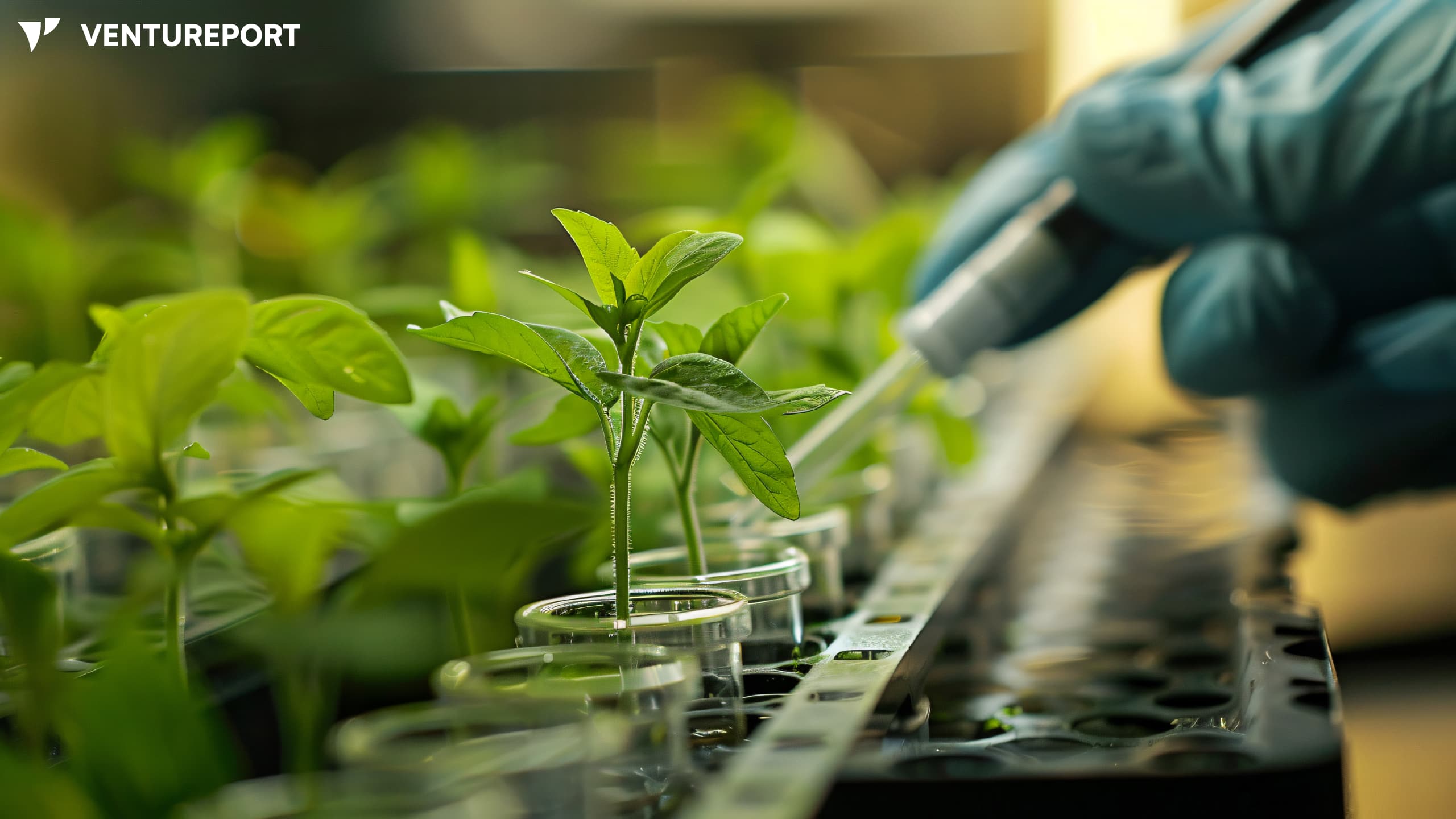
Researcher tending seedlings in a laboratory environment. PHOTO: FREEPIK
Bindwell, a San Francisco–based ag-tech startup using AI to design new pesticide molecules, has raised US$6 million in seed funding, co-led by General Catalyst and A Capital, with participation from SV Angel and Y Combinator founder Paul Graham. The round will help the company expand its lab in San Carlos, hire more technical talent and advance its first pesticide candidates toward validation.
Even as pesticide use has doubled over the last 30 years, farmers still lose up to 40% of global crops to pests and disease. The core issue is resistance: pests are adapting faster than the industry can update its tools. As a result, farmers often rely on larger amounts of the same outdated chemicals, even as they deliver diminishing returns.
Meanwhile, innovation in the agrochemical sector has slowed, leaving the industry struggling to keep up with rapidly evolving pests. This is the gap Bindwell is targeting. Instead of updating old chemicals, the company uses AI to find completely new compounds designed for today’s pests and farming conditions.
This vision is made even more striking by the people leading it. Bindwell was founded by 18-year-old Tyler Rose and 19-year-old Navvye Anand, who met at the Wolfram Summer Research Program in 2023. Both had deep ties to agriculture — Rose in China and Anand in India — witnessing up close how pest outbreaks and chemical dependence burdened farmers.
Filling the gap in today’s pesticide pipeline, Bindwell created an AI system that can design and evaluate new molecules long before they hit the lab. It starts with Foldwell, the company’s protein-structure model, which helps map the shapes of pest proteins so scientists know where a molecule should bind. Then comes PLAPT, which can scan through every known synthesized compound in just a few hours to see which ones might actually work. For biopesticides, they use APPT, a model tuned to spot protein-to-protein interactions and shown to outperform existing tools on industry benchmarks.
Bindwell isn’t selling AI tools. Instead, the company develops the molecules itself and licenses them to major agrochemical players. Owning the full discovery process lets the team bake in safety, selectivity and environmental considerations from day one. It also allows Bindwell to plug directly into the pipelines that produce commercial pesticides — just with a fundamentally different engine powering the science.
At present, the team is now testing its first AI-generated candidates in its San Carlos lab and is in early talks with established pesticide manufacturers about potential licensing deals. For Rose and Anand, the long-term vision is simple: create pest control that works without repeating the mistakes of the last half-century. As they put it, the goal is not to escalate chemical use but to design molecules that are more precise, less harmful and resilient against resistance from the start.