
A rare policy consensus emerges as AI’s impact moves beyond innovation into governance and societal risk
Updated
August 10, 2026 5:56 PM

A mechanical hand reaching for the hand of flesh. PHOTO: UNSPLASH
A new survey from Povaddo, a policy research firm, suggests that concern about artificial intelligence is no longer limited to industry or academia. It is now firmly present within the policy community.
The survey draws on responses from 301 public policy professionals across the United States and Europe, including lawmakers, staffers and analysts involved in shaping and evaluating public policy. A majority of respondents—61%—say governments are falling short in addressing the negative impacts of AI.
There is also broad agreement that regulation needs to increase. In the United States, 92% of respondents support stronger AI regulation, compared to 70% in Europe. At a time when consensus is often difficult, the findings point to a shared view across policy circles that current frameworks are not keeping pace with technological development.
Differences emerge when looking at how AI is affecting national contexts. In the U.S., 57% of policy experts believe AI is already harming the labor market. In Europe, 34% say the same. U.S. respondents are also more likely to see AI as a greater threat to jobs than immigration, with 63% holding that view compared to 47% in Europe.
On misinformation, responses are closely aligned. A large majority of policy experts in both regions expect an AI-driven misinformation crisis within the next one to two years—87% in the U.S. and 82% in Europe. Many also believe that AI-generated or AI-amplified misinformation could affect elections and public health information.
Some respondents frame the risks in more fundamental terms. In the United States, 41% of policy experts say AI poses an existential threat to humanity. In Europe, 29% share that view. U.S. respondents are also more likely to believe that advances in AI could harm global security and stability.
The findings come as policymakers begin to respond more actively. In the U.S., Senators Josh Hawley, Richard Blumenthal and Mark Warner have introduced bipartisan legislation focused on AI accountability, including measures aimed at protecting workers and children.
In Europe, the introduction of the EU AI Act marks a more advanced regulatory approach. The framework sets out rules based on levels of risk and is widely seen as the first comprehensive attempt to govern AI at scale.
William Stewart, President and Founder of Povaddo, said: "What makes these findings so significant is who is saying it. These are the practitioners who work inside the policy process every day, spanning every corner of the policy world from defense to healthcare to finance, not activists or everyday citizens. These findings foreshadow real action. The current path of governments accelerating AI deployment while falling short on governance is not sustainable, and the people who know that best are the ones in this survey. You cannot have nine-in-ten policy insiders demanding more regulation and four-in-ten calling AI an existential threat without that eventually moving the needle in Washington and Brussels in terms of legislative or regulatory action".
Taken together, the survey reflects a shift in how AI is being discussed within policymaking circles. Concern is no longer limited to future risks. It is increasingly tied to current gaps in governance and the pace of deployment.
Keep Reading
New funding and ad support aim to ease capital gaps for small wedding businesses
Updated
March 17, 2026 1:01 AM
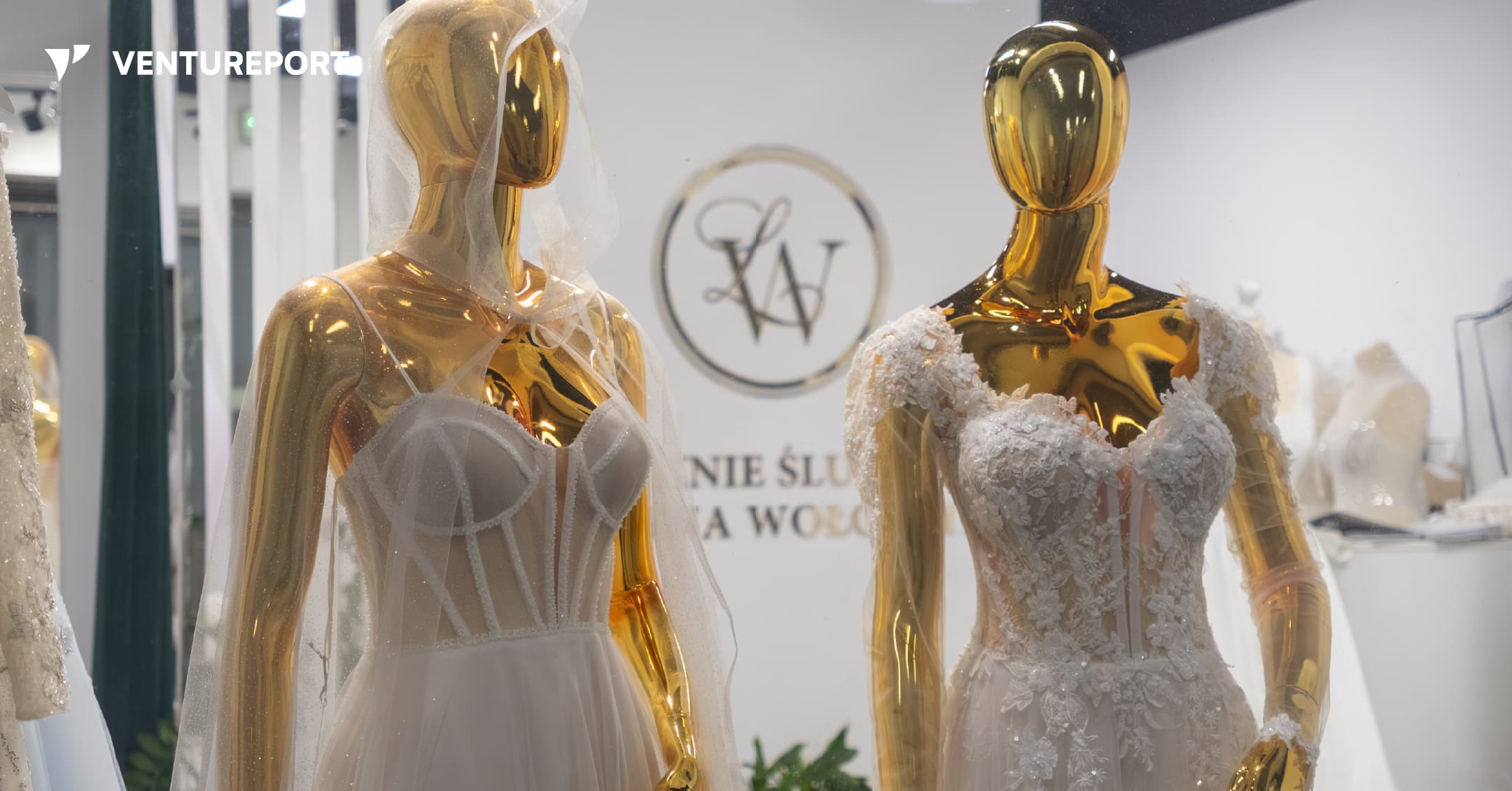
Mannequins display white wedding dresses in a bridal shop window. PHOTO: ADOBE STOCK
The Knot Worldwide, a global wedding technology platform and vendor marketplace, has launched a new grant initiative aimed at small businesses in the wedding industry.
The company, which operates brands such as The Knot and WeddingWire, connects couples with wedding professionals and provides tools to help vendors grow. It says the new WeddingPro Grant Program is designed to address a persistent challenge in the sector: access to capital.
Under the program, up to US$500,000 will be distributed to U.S.-based wedding professionals who run small businesses. The support will come in the form of financial grants, advertising credits on WeddingPro and mentorship. Selected businesses will also receive access to education resources and community support through the company’s network.
The move comes at a time when many wedding businesses remain small and resource-constrained. According to the company’s State of the Vendor Report, more than half of wedding businesses employ fewer than ten people. Three in four professionals surveyed said adaptability is critical to long-term success, while flexible funding remains a barrier. The grant program is positioned as a response to that funding gap.
“Our mission at The Knot Worldwide is to help the nearly 900,000 small businesses on our global platforms get discovered through our centralized vendor marketplace as well as give them the tools and resources to grow their business,” said Raina Moskowitz, Chief Executive Officer, The Knot Worldwide. “We consistently hear from our wedding professionals that access to capital is a barrier to getting started in the industry. With our new WeddingPro Grant Program, we will provide access to both capital and critical support services such as mentorship and education that will enable small business owners to further grow and scale.”
The application window opens on February 23 and closes on March 27. Winners are expected to be notified by May 2026, subject to eligibility verification and compliance with the official rules.
The program is open to U.S. wedding professionals who operate small businesses, have been in business for at least six months, can demonstrate an active revenue stream and earn at least 50% of their revenue from weddings. Applicants must submit a short form and a video outlining their business and how they would use the grant funds over the next 12 to 24 months. They can choose whether they prefer a monetary grant or free advertising support on WeddingPro.
To execute the program, The Knot Worldwide has partnered with the Global Entrepreneurship Network, which works with entrepreneurs worldwide. The company says the initiative builds on earlier efforts to support vendors on its platform, which includes about 200,000 wedding professionals in the United States. Its impact will depend on how effectively the support reaches the businesses that need it most. The real measure will be whether it helps them achieve steady, sustainable growth.