
Overview Energy plans to collect sunlight in orbit and send it to Earth, giving Meta early access to a new source of round-the-clock power
Updated
August 10, 2026 5:56 PM

A corona mass ejection erupts from our sun. PHOTO: UNSPLASH
Overview Energy, a startup focused on space-based power systems, has announced a new agreement with Meta to develop a new source of electricity for data centers. The partnership centres on space solar energy, with an orbital demonstration planned for 2028 and commercial power delivery targeted for 2030.
The deal gives Meta early access to as much as 1 gigawatt of future capacity from Overview’s system. That matters because large technology companies are searching for reliable power sources as demand rises from AI computing and data center expansion.
Overview’s idea is straightforward, though the engineering is ambitious. The company plans to place satellites in orbit that collect sunlight continuously in space. That energy would then be sent to existing solar sites on Earth, where it would be converted into electricity.
Unlike ground-based solar farms, which only generate power when the sun is shining locally, a space-based system is designed to extend power generation beyond daylight hours. In theory, this could help solar facilities produce electricity around the clock without using extra land.
"Space solar technology represents a transformative step forward by leveraging existing terrestrial infrastructure to deliver new, uninterrupted energy from orbit. We're excited to partner with Overview Energy to pioneer innovative energy solutions to advance our AI ambitions and infrastructure", said Nat Sahlstrom, VP of Energy and Sustainability, Meta. "This collaboration demonstrates our commitment to innovation – leveraging cutting-edge technology to strengthen America's energy leadership".
For Meta, the agreement is less about a near-term energy fix and more about securing future options. Major data center operators are increasingly competing for electricity as AI systems require more computing power and more cooling capacity. Traditional energy projects can take years to build, making alternative supply models more attractive.
Overview says its system is designed to work with solar projects that already exist. Instead of building entirely new power plants, the company aims to increase output from current sites by adding energy received from orbit.
"Space is becoming part of America's energy infrastructure", said Marc Berte, CEO of Overview Energy. "Our approach to space solar energy enables hyperscalers and technology providers to secure clean power with reliable siting, and speed to power.” "Together with Meta, we're looking beyond traditional constraints on where and when power can be delivered to meet the growing demand for electricity".
The larger significance of the partnership is what it signals about the energy market. As AI infrastructure expands, companies are beginning to look beyond conventional grids, gas plants and land-based renewables. Technologies once considered experimental are now being explored as part of long-term infrastructure planning.
There is still a long road ahead. Space solar power has been discussed for decades, but commercial deployment remains unproven. Launch costs, regulation and system reliability will all matter.
Even so, the Meta-Overview agreement shows how rising demand for constant power is reshaping where the technology sector looks for its next energy source.
Keep Reading
New funding and ad support aim to ease capital gaps for small wedding businesses
Updated
March 17, 2026 1:01 AM
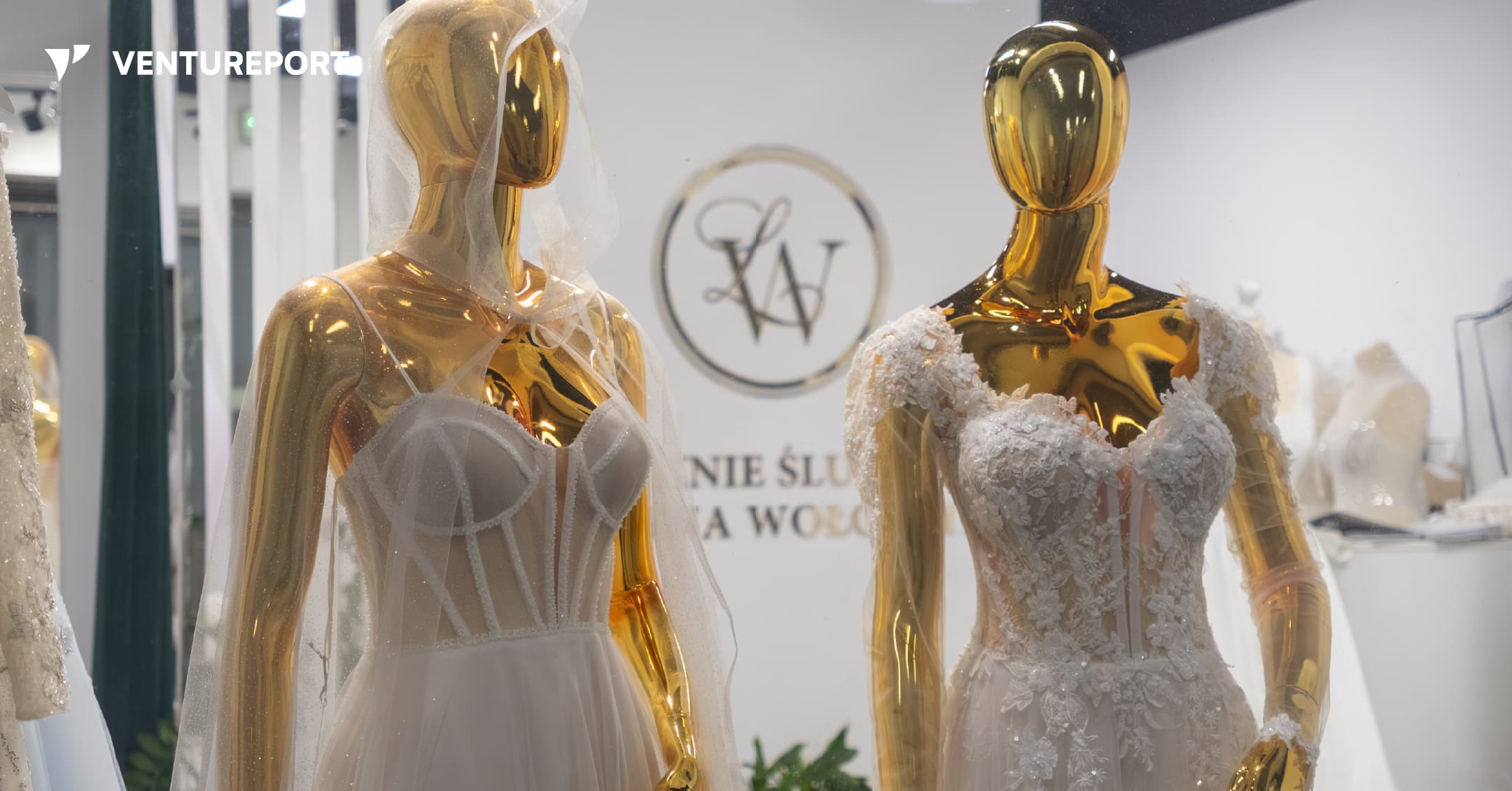
Mannequins display white wedding dresses in a bridal shop window. PHOTO: ADOBE STOCK
The Knot Worldwide, a global wedding technology platform and vendor marketplace, has launched a new grant initiative aimed at small businesses in the wedding industry.
The company, which operates brands such as The Knot and WeddingWire, connects couples with wedding professionals and provides tools to help vendors grow. It says the new WeddingPro Grant Program is designed to address a persistent challenge in the sector: access to capital.
Under the program, up to US$500,000 will be distributed to U.S.-based wedding professionals who run small businesses. The support will come in the form of financial grants, advertising credits on WeddingPro and mentorship. Selected businesses will also receive access to education resources and community support through the company’s network.
The move comes at a time when many wedding businesses remain small and resource-constrained. According to the company’s State of the Vendor Report, more than half of wedding businesses employ fewer than ten people. Three in four professionals surveyed said adaptability is critical to long-term success, while flexible funding remains a barrier. The grant program is positioned as a response to that funding gap.
“Our mission at The Knot Worldwide is to help the nearly 900,000 small businesses on our global platforms get discovered through our centralized vendor marketplace as well as give them the tools and resources to grow their business,” said Raina Moskowitz, Chief Executive Officer, The Knot Worldwide. “We consistently hear from our wedding professionals that access to capital is a barrier to getting started in the industry. With our new WeddingPro Grant Program, we will provide access to both capital and critical support services such as mentorship and education that will enable small business owners to further grow and scale.”
The application window opens on February 23 and closes on March 27. Winners are expected to be notified by May 2026, subject to eligibility verification and compliance with the official rules.
The program is open to U.S. wedding professionals who operate small businesses, have been in business for at least six months, can demonstrate an active revenue stream and earn at least 50% of their revenue from weddings. Applicants must submit a short form and a video outlining their business and how they would use the grant funds over the next 12 to 24 months. They can choose whether they prefer a monetary grant or free advertising support on WeddingPro.
To execute the program, The Knot Worldwide has partnered with the Global Entrepreneurship Network, which works with entrepreneurs worldwide. The company says the initiative builds on earlier efforts to support vendors on its platform, which includes about 200,000 wedding professionals in the United States. Its impact will depend on how effectively the support reaches the businesses that need it most. The real measure will be whether it helps them achieve steady, sustainable growth.