
Overview Energy plans to collect sunlight in orbit and send it to Earth, giving Meta early access to a new source of round-the-clock power
Updated
August 10, 2026 5:56 PM

A corona mass ejection erupts from our sun. PHOTO: UNSPLASH
Overview Energy, a startup focused on space-based power systems, has announced a new agreement with Meta to develop a new source of electricity for data centers. The partnership centres on space solar energy, with an orbital demonstration planned for 2028 and commercial power delivery targeted for 2030.
The deal gives Meta early access to as much as 1 gigawatt of future capacity from Overview’s system. That matters because large technology companies are searching for reliable power sources as demand rises from AI computing and data center expansion.
Overview’s idea is straightforward, though the engineering is ambitious. The company plans to place satellites in orbit that collect sunlight continuously in space. That energy would then be sent to existing solar sites on Earth, where it would be converted into electricity.
Unlike ground-based solar farms, which only generate power when the sun is shining locally, a space-based system is designed to extend power generation beyond daylight hours. In theory, this could help solar facilities produce electricity around the clock without using extra land.
"Space solar technology represents a transformative step forward by leveraging existing terrestrial infrastructure to deliver new, uninterrupted energy from orbit. We're excited to partner with Overview Energy to pioneer innovative energy solutions to advance our AI ambitions and infrastructure", said Nat Sahlstrom, VP of Energy and Sustainability, Meta. "This collaboration demonstrates our commitment to innovation – leveraging cutting-edge technology to strengthen America's energy leadership".
For Meta, the agreement is less about a near-term energy fix and more about securing future options. Major data center operators are increasingly competing for electricity as AI systems require more computing power and more cooling capacity. Traditional energy projects can take years to build, making alternative supply models more attractive.
Overview says its system is designed to work with solar projects that already exist. Instead of building entirely new power plants, the company aims to increase output from current sites by adding energy received from orbit.
"Space is becoming part of America's energy infrastructure", said Marc Berte, CEO of Overview Energy. "Our approach to space solar energy enables hyperscalers and technology providers to secure clean power with reliable siting, and speed to power.” "Together with Meta, we're looking beyond traditional constraints on where and when power can be delivered to meet the growing demand for electricity".
The larger significance of the partnership is what it signals about the energy market. As AI infrastructure expands, companies are beginning to look beyond conventional grids, gas plants and land-based renewables. Technologies once considered experimental are now being explored as part of long-term infrastructure planning.
There is still a long road ahead. Space solar power has been discussed for decades, but commercial deployment remains unproven. Launch costs, regulation and system reliability will all matter.
Even so, the Meta-Overview agreement shows how rising demand for constant power is reshaping where the technology sector looks for its next energy source.
Keep Reading
ICBC Asia's new competition gives Hong Kong students a chance to test their fintech ideas beyond the classroom.
Updated
October 2, 2026 9:16 AM
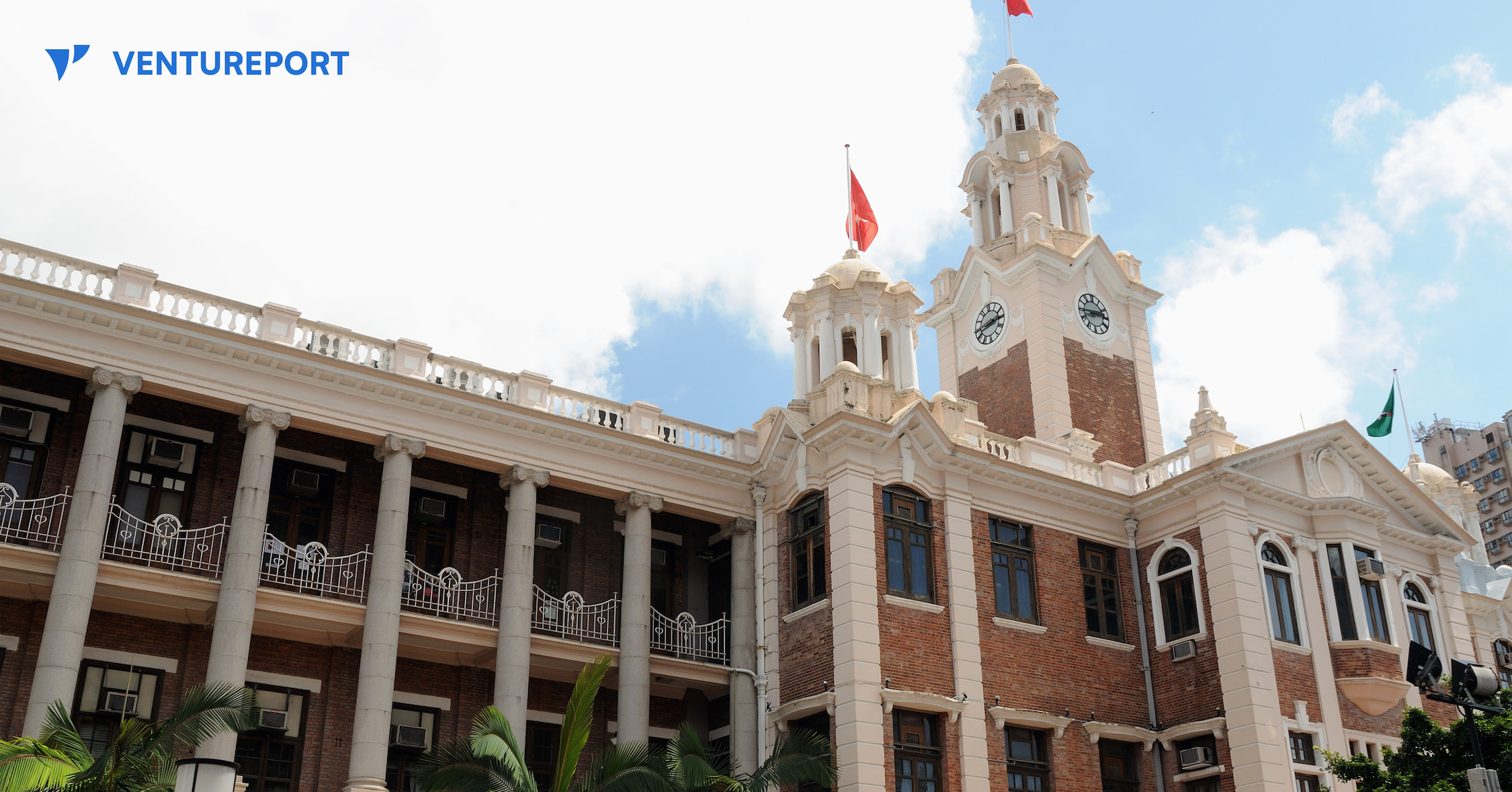
Main Building of the University of Hong Kong. PHOTO: ADOBE STOCK
Hong Kong university students are being invited to take part in the first Hong Kong University Students Fintech Innovation Competition, organised by Industrial and Commercial Bank of China (Asia). The competition gives students a chance to develop ideas around financial technology, with cash prizes, internship opportunities and a route to the national finals of the ICBC Cup on offer.
The competition is part of the 17th ICBC Cup and marks the first time ICBC has established a competition zone in Hong Kong. It is supported by the Financial Services and the Treasury Bureau and the Hong Kong Monetary Authority, with 12 Hong Kong universities also backing the initiative.
The participating universities are the University of Hong Kong, the Chinese University of Hong Kong, Hong Kong University of Science and Technology, Hong Kong Polytechnic University, City University of Hong Kong, Hong Kong Baptist University, Hong Kong Metropolitan University, Lingnan University, Hong Kong Shue Yan University, the Education University of Hong Kong, Hang Seng University of Hong Kong and St. Francis University.
For ICBC Asia, the competition is also intended to support the development of fintech in Hong Kong and expand the city's fintech talent pool. Dr. Liu Yagan, Chairman and Executive Director of Industrial and Commercial Bank of China (Asia), said the competition is designed to encourage students to develop practical applications for financial technology and explore new banking business models.
"This competition encourages university students across Hong Kong to propose practical solutions for fintech applications and banking business model innovation from the perspective of financial products and services, providing a platform for Hong Kong youth to connect with cutting-edge industries and unleash their innovative potential."
The initiative will also connect Hong Kong students with the wider ICBC Group. Liu said this would help deepen exchanges between young talent in Hong Kong and the Mainland.
The competition is open to full-time university students in Hong Kong and carries the theme "Digital Banking, Creating the Future." Students can develop ideas across 10 areas, ranging from fintech and digital finance to green finance, inclusive finance, pension finance and wealth management. The categories also include financial security services, specialised financial services, youth services and open innovation services.
The competition also offers cash prizes: the First Prize winner will receive HK$50,000; two Second Prize winners will receive HK$30,000 each; three Third Prize winners will receive HK$20,000 each; and four Honorable Mention recipients will receive HK$10,000 each.
Beyond the prize money, qualifying winners will have the opportunity to undertake internships at ICBC (Asia). The team that wins the Hong Kong First Prize will also have the opportunity to travel to Beijing in December for the ICBC Cup national finals, where it will compete against teams from across the country.
With registration now open, the competition gives Hong Kong university students an opportunity to take ideas in financial technology from the classroom into areas such as banking products, services and business models.