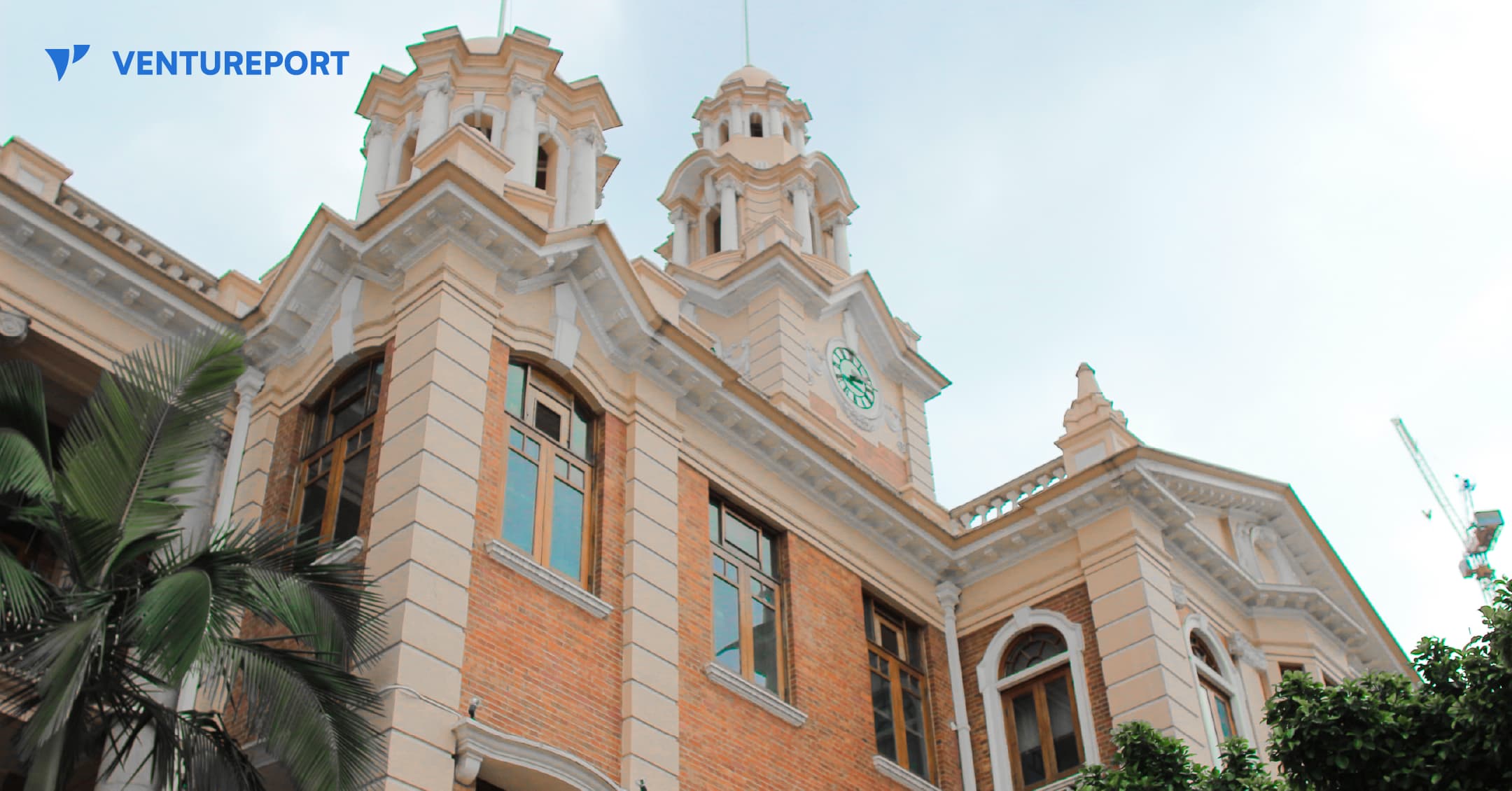
Main Building of the University of Hong Kong. PHOTO: ADOBE STOCK
Across Hong Kong’s public universities, entrepreneurship is now part of the campus ecosystem. Many universities offer startup funding, mentorship, training, workspace, investor access and pathways into larger incubation programmes such as Hong Kong Science and Technology Park (HKSTP) and Cyberport.
For student founders, researchers and alumni, this can be a useful place to begin. You may be able to test an idea, build a prototype, form a company or apply for early funding through your own university before looking for external investors.
The challenge is knowing where to start. Each university has its own startup programmes, eligibility rules and funding structure. Some are designed for student ideas. Others are built for research commercialization, deep tech ventures or startups already preparing to raise investment. Below is a practical guide to startup support and university startup funding at five major publicly funded universities in Hong Kong.
The University of Hong Kong (HKU): Startup support for student founders, deep tech and research commercialization
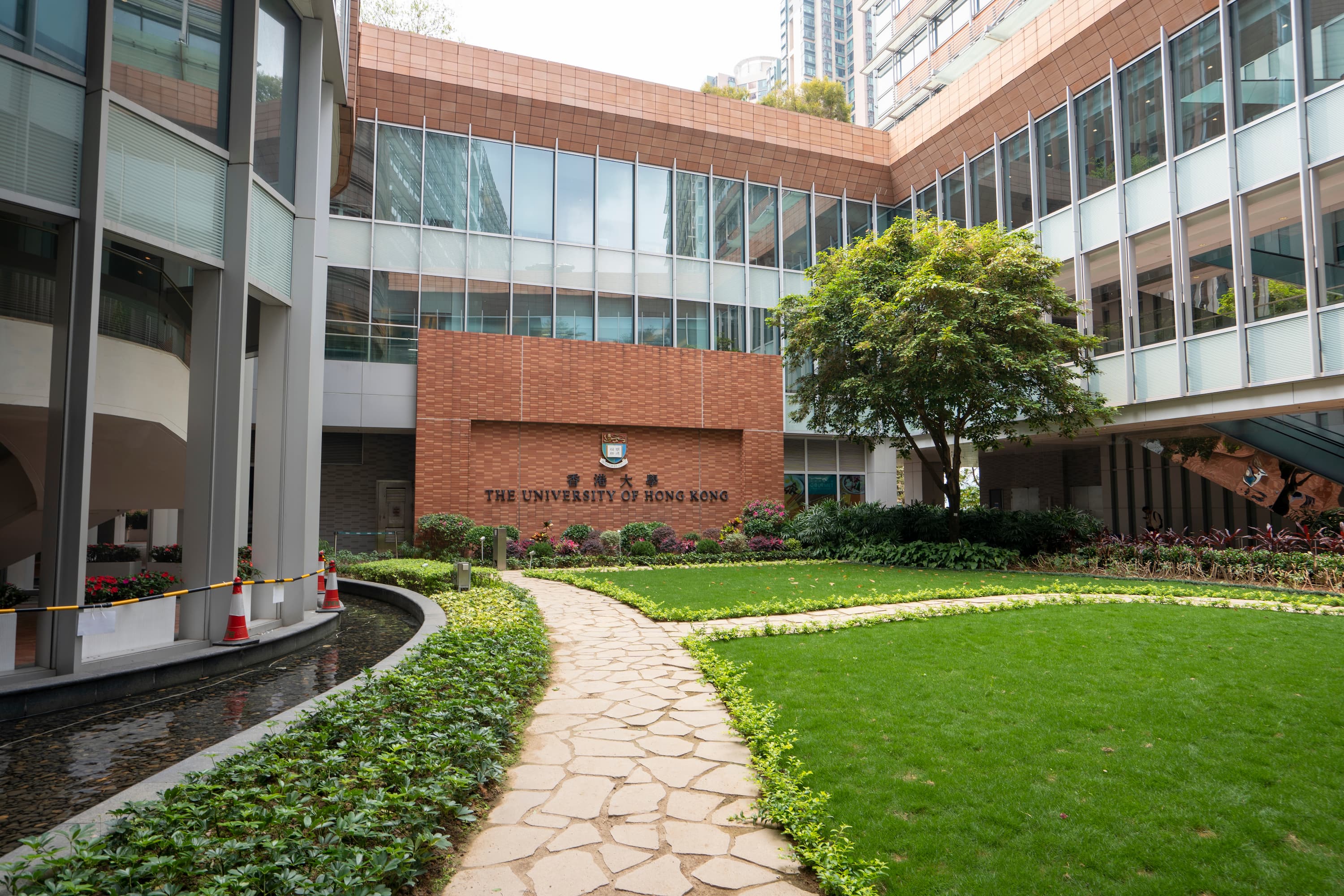
The Centennial Campus of the University of Hong Kong. PHOTO: ADOBE STOCK
HKU offers a wide range of entrepreneurship support through HKU Techno-Entrepreneurship Core, also known as HKU TEC. Its programmes cover early ideas, deep tech projects, Greater Bay Area (GBA) expansion, research commercialization and investor matching.
HKU is especially relevant for founders working with university research, intellectual property or technology-led business ideas. It also has entry-level support for students and graduates who are still testing an idea.
HKU-linked startups expanding into the Greater Bay Area
Up to HK$600,000, including grant and interest-free loan components
The startup team must include HKU linkage or HKU IP. Young entrepreneur rules (e.g. the PIC and core team members must be between the ages of 18 and 39) also apply.
Up to two years of mentorship, GBA training, workspace in Hong Kong and Shenzhen/Qianhai, professional services and market access support.
TSSSU@HKU (Technology Start-Up Support Scheme for Universities)
HKU technology startups moving toward
HK$400,000 to HK$1.5 million per year, for up to three years under each track
The applying startup must have at least two members. The PIC must be an HKU student, staff member or alumnus. HKU members must hold at least 20% ownership in total.
R&D funding, business setup support, iDendron membership, networking and possible Qianhai grant matching.
HKU founders needing workspace and community support
Not applicable
HKU-linked founders and eligible startups.
Co-working space, hot desks (HK$900 for six months), meeting rooms, mentoring, events and startup community access.
Best fit: HKU works well for student founders, researchers and alumni who want a structured route from idea stage to technology commercialization.
City University of Hong Kong (CityUHK): HK Tech 300 and a clear startup pathway
City University of Hong Kong. PHOTO: ADOBE STOCK
CityUHK’s main startup platform is HK Tech 300. It is one of the clearest university startup pathways in Hong Kong because it is built in stages: training, seed funding, angel investment and access to external funding.
The programme is open to CityUHK students, alumni, research staff and members of the public using CityUHK intellectual property or technology.
CityUHK startup programme
Who it is for
Funding or investment
Key eligibility points
Main support
HK Tech 300 Training
Teams learning startup basics
Sponsored training worth more than HK$10,000 per project team
Open to eligible CityUHK-linked teams and external founders using CityUHK IP or technology.
Startup basics, business plan development, pitching and team formation.
HK Tech 300 Seed Fund
Early teams turning ideas into startups
HK$100,000 per successful team
Person-in-charge must show association with CityUHK.
6 to 12 months of funding support, product development milestones and preparation for Angel Fund application.
HK Tech 300 Angel Fund
Startups ready to validate a business model
Up to HK$1 million angel investment
Usually for eligible teams after Seed Fund progress or equivalent readiness.
Business model validation, MVP development, investor exposure and incubation support.
HK Tech 300 Launching Stage
Startups ready for larger support
Access to external funds of up to HK$10 million
For eligible startups after the incubation phase.
Referrals to ITC, HKSTP, Cyberport and other partner programmes.
HK Tech 300 International and National Startup Competitions
Startups entering CityUHK’s ecosystem through competitions
Competition-linked opportunities, including access to HK Tech 300 support
Competition-specific rules apply.
Pitching, exposure, business matching and possible funding pathways.
Best fit: CityUHK is a strong choice for founders who want a step-by-step startup journey with clear funding stages.
Hong Kong University of Science and Technology (HKUST): Startup funding for tech founders and research teams
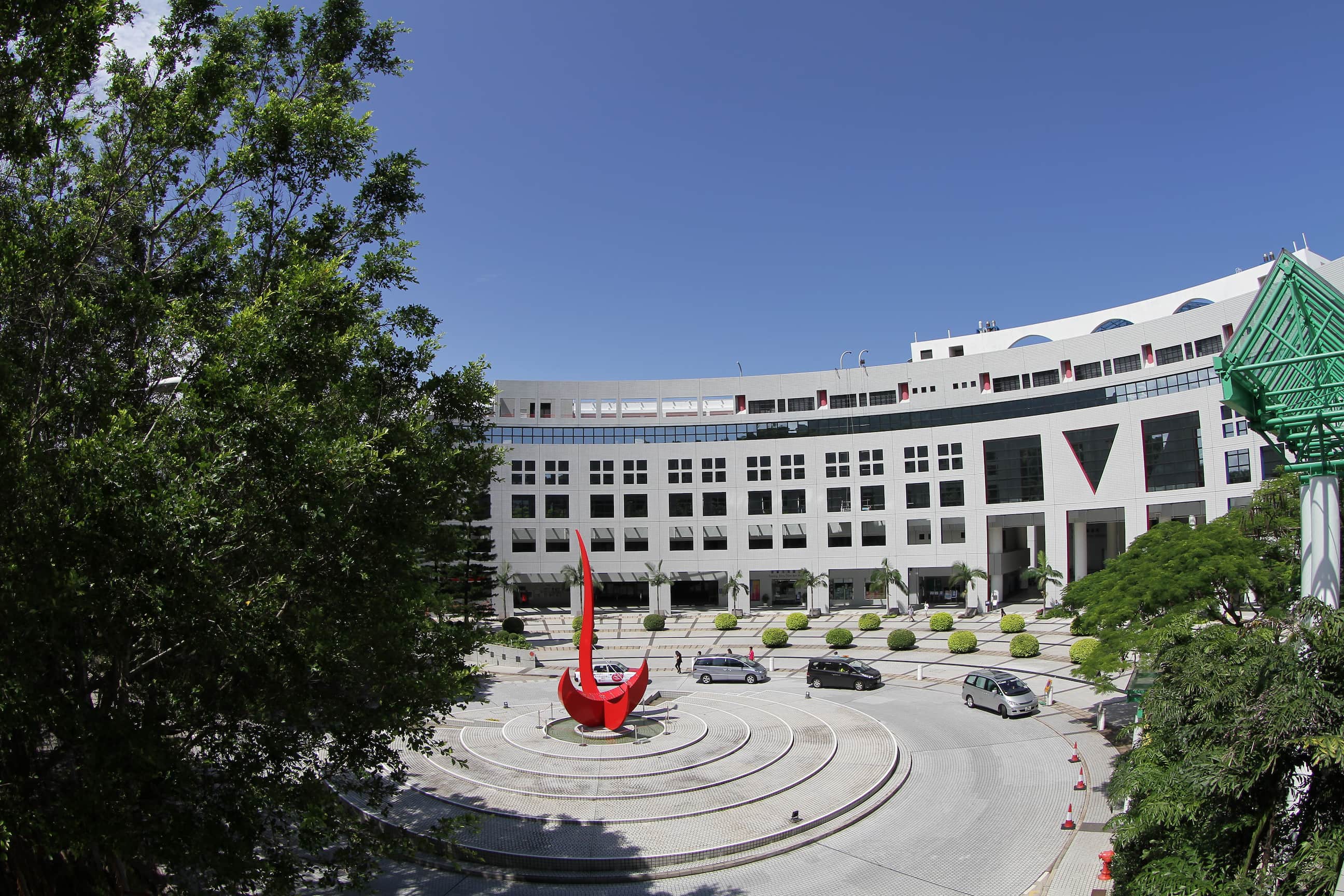
Hong Kong University of Science and Technology. PHOTO: ADOBE STOCK
HKUST has a broad startup ecosystem with support for students, alumni, researchers and faculty. Its entrepreneurship pathway covers idea exploration, prototyping, MVP testing, research commercialization and investment.
The university’s startup support is especially strong for technology companies, deep tech projects and teams commercialising HKUST research.
HKUST startup programme
Who it is for
Funding or investment
Key eligibility points
Main support
HHKUST IPIC Incubation - HKUST IPIC Incubation - Stage 1 Ideation (Through Entrepreneurship 101 Training or Entrepreneurship Bootcamp)
Students, alumni, researchers and faculty across different startup stages
Stage 1 includes HK$3,000 in-kind company registration support
HKUST-linked founders.
Structured pathway from ideation to prototyping, implementation and commercialization.
Stage 2 Prototyping (Through HKUST Dream Builder)
Student-led teams building a proof of concept or MVP
Up to HK$100,000 per startup team
The main applicant must be a full-time current HKUST student. At least two full-time current HKUST students must play founder or co-founder roles.
Funding, training, mentorship, workspace at theBASE and external outreach.
Stage 3 Implementation (Through HKUST x HKSTP Co-Ideation Programme)
Early-stage HKUST-linked startups
Up to HK$100,000
The team must include at least one HKUST member. HKUST members must hold at least 10% ownership if a company is formed.
Six-month programme, three milestones, coaching, HKSTP training and preparation for HKSTP incubation.
Research teams with large-scale commercialization potential
Scheme-level support can range from HK$10 million to HK$100 million per approved project
Research commercialization teams with industry-matching requirements.
Large-scale R&D transformation and commercialization support
Best fit: HKUST is especially useful for tech startups, deep tech teams and founders who need a route from prototype to commercialization.
The Hong Kong Polytechnic University (PolyU): Startup funding for product, applied research and GBA expansion
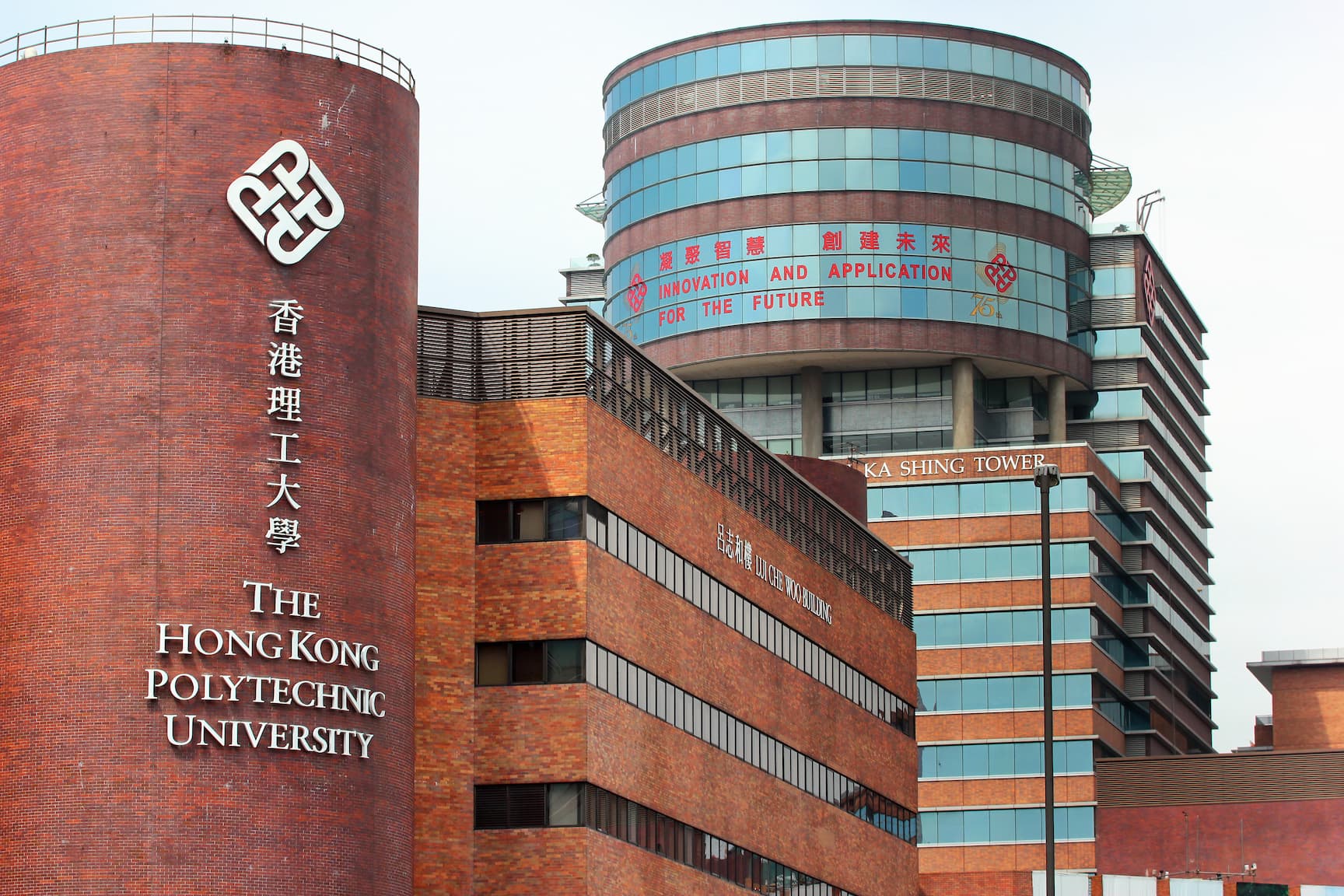
Hong Kong Polytechnic University. PHOTO: ADOBE STOCK
PolyU’s startup support is practical and product-focused. Its programmes cover early ideas, seed-stage teams, Greater Bay Area expansion, translational research and investment.
This makes PolyU a good fit for founders working on engineering, hardware, applied technology, social impact or commercialization of university research.
Seed-stage teams preparing to form a startup or have incorporated companies within 24 months
Up to HK$1.41 million in total support from PolyU and HKSTP Ideation or Incubation routes
The principal applicant can be a current student, alumnus, staff member, translational startup postdoc or key owner-operator of a PolyU technology licensee.
HK$20,000 cash prize for shortlisted teams, HK$100,000 PolyU Seed Fund for awardees, HKSTP pathway and mentorship
Recent PhD graduates commercializing PolyU research
Annual remuneration of up to HK$348,000 and project support, including prototyping (a maximum of HK$50,000 per year) and outreach funding (a maximum of HK$15,000 per year)
Applicant needs a PolyU academic supervisor and a recent or near-completed doctoral degree.
Free workspace at InnoHub, mentorship, KTEO support, investor access and pathways to Micro Fund, Angel Fund and EIF
Hong Kong-registered startup or company with youth-led requirements.
Two-year incubation and support for digital equity and social impact ventures
Best fit: PolyU is well suited for product-led startups, applied technology projects, GBA expansion and founders who want industry-facing support.
The Chinese University of Hong Kong (CUHK): Startup support from idea stage to technology commercialization
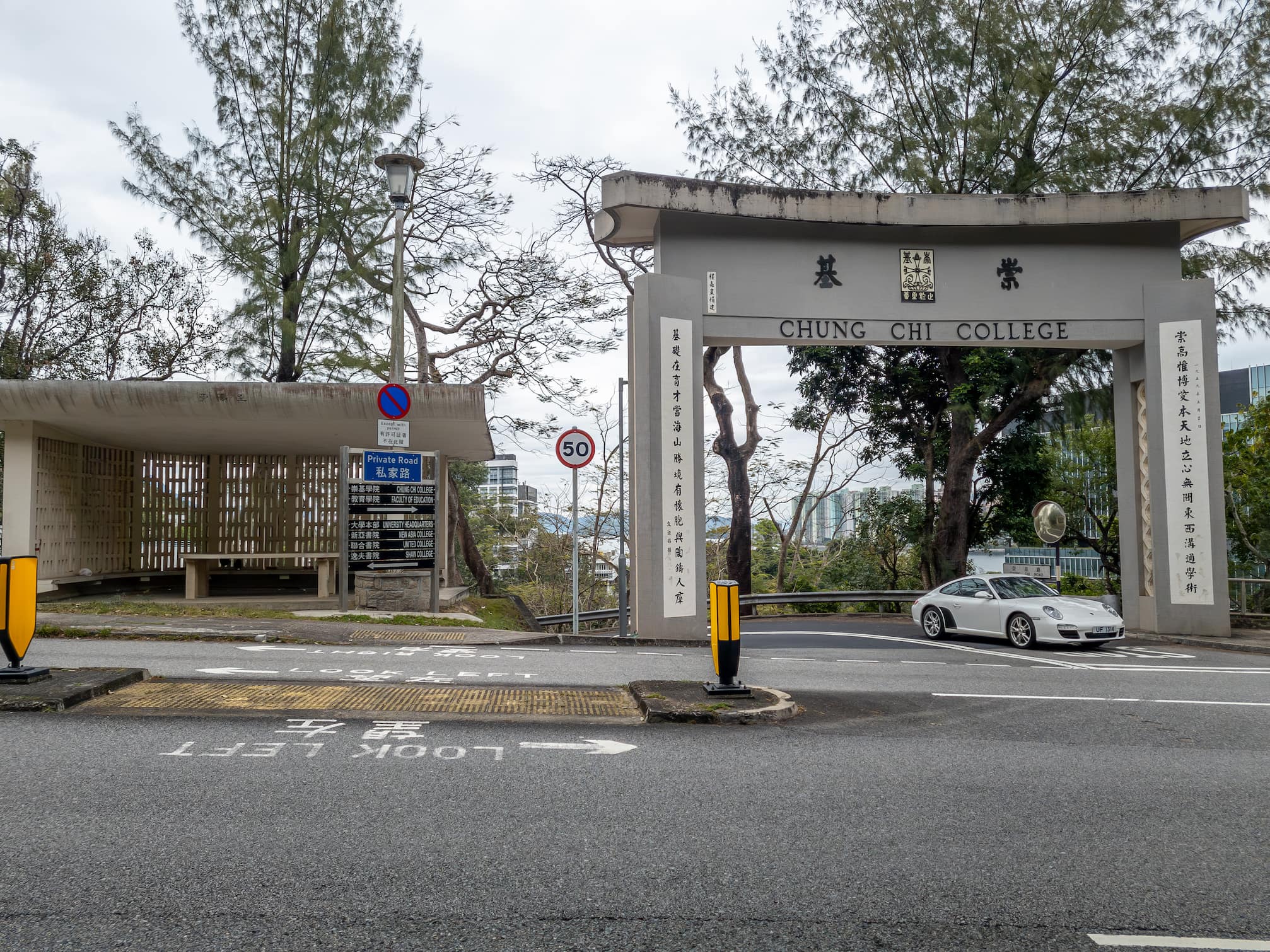
Chung Chi College, Chinese University of Hong Kong. PHOTO: ADOBE STOCK
CUHK offers support for student founders, researchers and alumni through the Pi Centre and the Knowledge Transfer Office. Its ecosystem covers pre-incubation, TSSSU funding, early translational research, social impact projects and Greater Bay Area entrepreneurship.
CUHK is especially useful for students who want to start with an idea and later move into funding, mentorship or external incubation.
Open to CUHK undergraduate and postgraduate students, full-time or part-time. The principal applicant must be a current CUHK student. Applicants must not already have registered a business for the project.
One-year programme, seed funding, workshops, mentoring, networking, free co-working space and fast-track preparation for incubators
TSSSU-O: up to HK$600,000 per year. TSSSU+: up to HK$1 million per year in matching funds. Both can run for up to three years
The PIC must be a current full-time student, current full-time professor or alumnus who graduated within the last 36 months. Technology readiness requirements apply.
Financial support, potential HKSTP incubation, investor access, industry partner access and mentorship
Late-prototype research projects with social innovation potential
Up to HK$200,000
Mainly for full-time CUHK staff on professoriate or research academic ranks. The venture must be CUHK-affiliated and have been incorporated for more than three years.
Support for turning research-based prototypes into real-world social-impact solutions
Hong Kong-registered startup or company with youth-led requirements.
Two-year incubation and support for digital equity and social impact ventures
Best fit: CUHK is a good starting point for student founders who need pre-incubation support, and for researchers moving early-stage ideas toward commercial use.
Which Hong Kong university startup programme should you choose?
There is no single best programme for every founder. The right choice depends on your stage, your university connection and the type of startup you are building.
Founder stage
Good starting points
You have an idea but no company yet
HKU SEED, CityUHK HK Tech 300 Training, HKUST Dream Builder, PolyU Ideation Funding Scheme, CUHK Pi Centre
You are building a prototype or MVP
HKUST Dream Builder, HKUST x HKSTP Co-Ideation, CityUHK Seed Fund, PolyU Micro Fund, CUHK PILOTS Lite
HKU Tech-Up GBA, PolyU GBA Innovation and Entrepreneurship Incubation Programme, HKUST GBA Youth Entrepreneurship Fund, CUHK GBA Entrepreneurship Scheme
You are ready for investment You are commercializing university research or IP
Hong Kong’s university startup ecosystem is bigger than many founders realize. If you are a student, alumnus, researcher or university-linked founder, your campus may already offer a route into funding, mentorship, workspace and incubation.
The key is to choose a programme that matches your current stage. Some founders should start with idea validation. Others may be ready for seed funding, TSSSU support or investment.
Before applying, check the latest deadline and eligibility rules on the official university page. These programmes change often, and some funding rounds open only once or twice a year.
A stock market graph shows fluctuating trends. PHOTO: UNSPLASH
A newly built district in northern China is being used to test how cities function when infrastructure, data and automation are integrated from the ground up. In Xiong'an New Area, traffic systems, public monitoring and urban services are designed to respond in real time rather than operate on fixed rules.
At the centre of this is a traffic management system powered by more than 20,000 roadside sensors. These track traffic flow, vehicle types and congestion levels, feeding data into an AI system that adjusts signals in milliseconds. Official figures show this has reduced the average number of stops per vehicle by half. The system also detects equipment faults, sends alerts and generates maintenance requests without manual input.
Automation extends beyond roads. Drones are deployed across the city for routine monitoring. In the Rongdong district, roadside units release drones that follow fixed patrol routes of around 1.27 kilometres, completing each run in about five minutes. They are used to monitor traffic, detect illegal parking and inspect public spaces. Similar systems operate in parks to track water levels and issue flood alerts, while in some work zones, drones transport packages of up to five kilograms between buildings.
These applications reflect a broader approach: integrating multiple systems into a single, connected urban framework. Unlike older cities where infrastructure evolves in layers, Xiong’an has been built with coordinated digital systems from the outset. This allows transport, maintenance and public services to operate through shared data systems rather than in isolation.
Alongside this, the area is being developed as a technology and innovation hub. Since its establishment in 2017, it has attracted more than 400 branches of state-owned enterprises and over 200 companies working in sectors such as artificial intelligence, aerospace information and digital technology.
This ecosystem supports projects like the “Xiong’an-1” satellite, which completed research, design, production and testing within eight months of regulatory approval in 2025. The satellite is currently undergoing testing, with a planned launch expected in the second quarter of 2026. It forms part of a broader push to build an aerospace information industry in the region.
The area is also structured to bring companies, research and production closer together. At the Zhongguancun Science Park in Xiong’an, which spans 207,000 square metres, 269 technology companies operate across sectors including AI, robotics and biotechnology. The park hosts more than 2,700 researchers and industry professionals, with companies organised into sector-specific clusters.
Policy support continues to shape this development. In early 2026, the State Council approved the upgrade of Xiong’an’s high-tech industrial development zone to national level status, with a focus on attracting high-end research and strengthening links between scientific development and industrial output.
Xiong’an is positioned as a testing ground for how smart city systems can be deployed at scale. The model depends on coordinated planning, integrated infrastructure and sustained policy support. Whether these systems can be adapted to existing cities, where infrastructure and governance are more fragmented, remains an open question.