
A new approach examines how individual cells respond to drugs, aiming to identify risks earlier in development.
Updated
August 10, 2026 5:56 PM

Close up of a capsule blister pack. PHOTO: UNSPLASH
DeepCyte, a startup in the drug development space, is focusing on a long-standing problem: why drugs that appear safe in early testing still fail in clinical trials or are withdrawn later due to toxicity. DeepCyte has launched with US$1.5 million in seed funding to build tools that detect and explain the harmful effects of drugs at much earlier stages.
The startup’s approach focuses on how individual cells respond to a drug. Instead of analysing cells in bulk, it studies them one by one. This helps capture differences in how cells react, which are often missed in traditional testing methods.
Drug toxicity remains one of the main reasons for failure in drug development. Methods such as animal testing and bulk cell analysis do not always reflect how human cells behave. This gap has pushed the industry to look for more reliable and human-relevant ways to test drug safety.
DeepCyte combines cell-level data with artificial intelligence. Its platform, MetaCore, studies what is happening inside individual cells by capturing detailed molecular information. This data is used to build large datasets that can train AI models.
Additionally, the company has developed an AI system called DeeImmuno. It is designed to predict whether a drug could be toxic and identify the biological reasons behind it. In internal testing on 100 drugs, the system identified different types of toxicity and their underlying mechanisms with a reported accuracy of 94 percent.
The focus on explaining why a drug is toxic, not just whether it is, reflects a broader shift in the industry. Regulators such as the U.S. Food and Drug Administration and the European Medicines Agency have been encouraging methods that rely more on human cell data and clearer biological evidence. The seed funding will be used to develop and scale these tools. The company aims to help drug developers make earlier decisions, which could reduce costly failures in later stages. Whether tools like this become widely used will depend on how they perform in real-world settings. For now, DeepCyte’s approach highlights a growing effort to make drug testing more precise by focusing on how drugs affect cells at the most detailed level.
Keep Reading
A closer look at how startups are turning local AI into global opportunity
Updated
March 24, 2026 6:25 PM
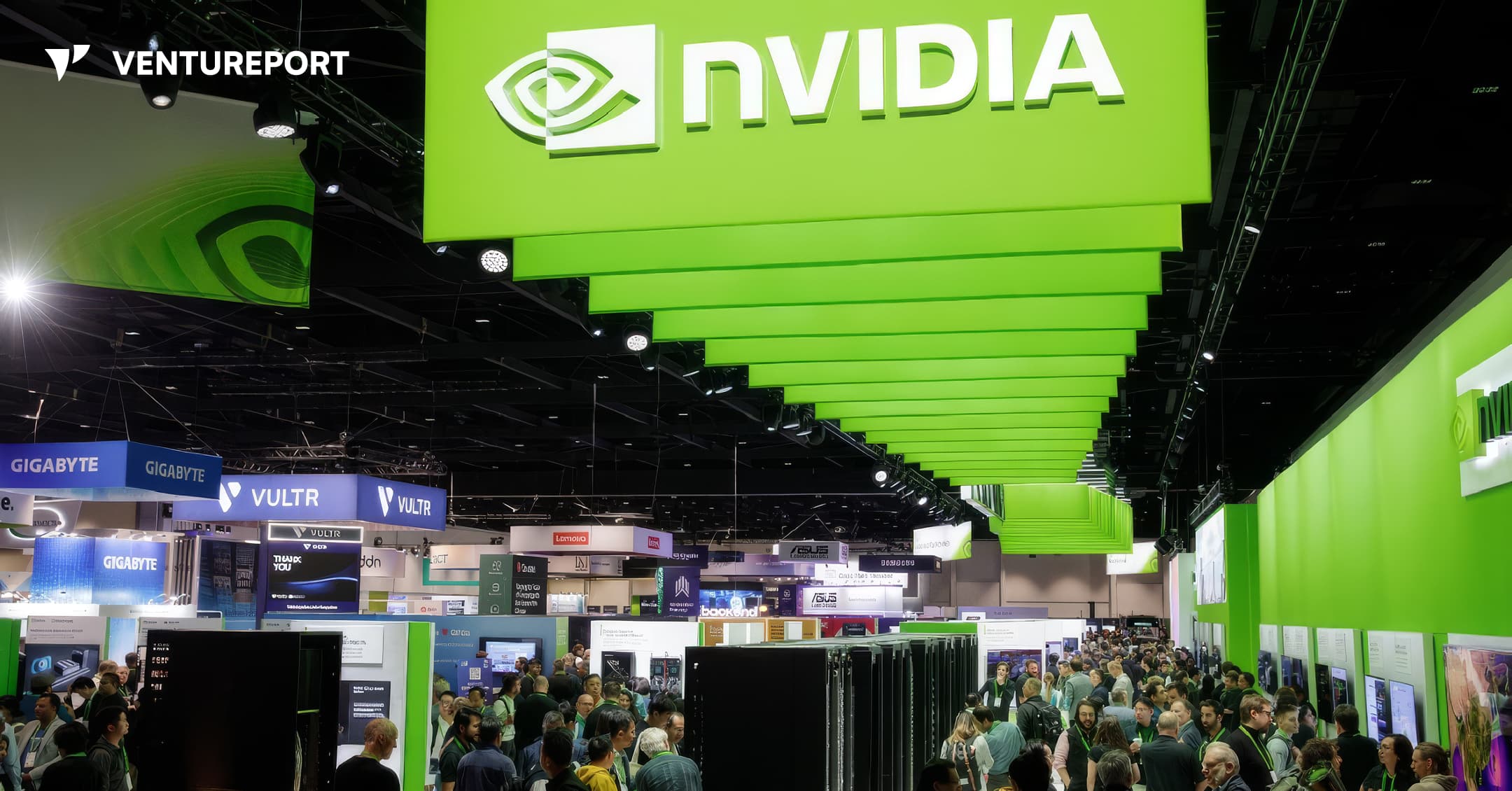
NVIDIA GTC 2026. PHOTO: NVIDIA
At NVIDIA GTC 2026 in Palo Alto, a group of 16 Taiwanese startups used the global AI stage to do more than showcase products—they tested how far their technologies could travel beyond domestic markets. The delegation, led by Startup Island TAIWAN Silicon Valley Hub with support from Taiwan’s National Development Council, reflected a broader shift in the country’s role within the AI ecosystem.
The startups represented a mix of emerging areas including digital twins, robotics, AI agents and healthcare, aligning closely with enterprise AI adoption trends. Some gained formal visibility within NVIDIA’s ecosystem, with companies such as MetAI and Spingence featured in the Inception Program, while six others presented their work in the conference’s poster gallery. These formats allowed them to engage directly with developers, enterprise users and potential partners rather than simply exhibiting technology.
A defining feature of Taiwan’s presence this year was how closely startups operated alongside established hardware companies such as ASUS, AAEON and Compal. This setup reflected a vertically integrated model where infrastructure and applications are developed together, offering a clearer path from product development to deployment. It also underscored Taiwan’s gradual shift from being primarily a hardware supplier to participating more actively across the full AI stack.
Activity around the conference extended well beyond the exhibition floor. A Taiwan Demo Day held during the week drew more than 1,000 registrations and nearly 600 in-person attendees, bringing startups into contact with close to 200 international investors. The event focused on structured introductions and deal flow, positioning startups in front of venture firms and corporate innovation teams looking for AI applications.
Alongside these formal sessions, Taiwan Startup Night provided a more informal but equally strategic setting. With over 100 curated participants, including founders, investors and corporate representatives, the gathering created space for early-stage conversations that could evolve into partnerships or market entry opportunities. These interactions, while less visible than on-stage presentations, are often where initial collaboration takes shape.
Taken together, the events around GTC point to a more coordinated approach to international expansion. Through platforms like Startup Island TAIWAN, the emphasis is not just on visibility but on building continuity—connecting startups with investors, partners and customers across multiple touchpoints in a single week. As AI development increasingly spans chips, systems and applications, Taiwan’s presence at GTC suggests a more integrated role, where the focus is as much on enabling global deployment as it is on developing the technology itself.