
The CE approval opens Europe for Cornerstone Robotics as the company expands its global surgical robotics business
Updated
May 29, 2026 4:20 AM

A tray of surgical tools. PHOTO: UNSPLASH
As surgical robotics companies expand beyond domestic markets, regulatory approvals are becoming a critical part of global growth. Companies are no longer competing only on hardware and clinical performance. They are also competing on their ability to enter tightly regulated healthcare systems and build long-term hospital partnerships.
Hong Kong-based Cornerstone Robotics is now moving further into that phase of expansion after its Sentire Endoscopic Surgical System received CE Mark certification under the European Union’s Medical Device Regulation framework.
The approval allows the company to commercialize the system across European markets for minimally invasive procedures in general surgery, gynecology, thoracic surgery and urology. For surgical robotics companies, regulatory approvals often represent more than product validation. They also determine market access, hospital adoption opportunities and long-term commercial scale.
Cornerstone Robotics has already been building clinical operations in the UK ahead of the approval. Since 2025, the company has worked with Portsmouth Hospitals University NHS Trust on clinical investigations involving the Sentire Surgical System. According to the company, the system has been used across procedures involving urology, gynecology and gastrointestinal surgery. The company says the clinical investigation helped generate real-world data to support physician training, research and future adoption efforts.
Alongside the regulatory approval, Cornerstone Robotics is also expanding its local operations in Europe. The company established a UK subsidiary in 2025 and has been developing training, clinical support and after-sales service capabilities for hospitals using the system.
That operational buildout reflects a larger challenge inside surgical robotics. Hospitals adopting robotic systems often require ongoing clinical training, technical support and workflow integration alongside the hardware itself.
Cornerstone Robotics says its strategy centers around vertically integrated development across engineering, software, imaging and robotics systems. The company argues that this structure gives it greater control over product development, supply chain management and long-term operational stability.
Professor Samuel Au, Founder and CEO of Cornerstone Robotics, said: "Receiving CE Certification marks a major milestone in Cornerstone Robotics' evolution from a technology innovator to a global clinical solutions provider. From our first clinical investigation in Portsmouth, UK, to achieving European regulatory approval, each step of the journey reflects our commitment to proprietary innovation, product excellence, and clinical value. Looking ahead, we will continue expanding into key global markets and partnering with leading medical institutions to bring high-quality surgical robotic solutions to more physicians and patients worldwide."
The CE approval also comes several months after the company completed an oversubscribed financing round of approximately US$200 million in November 2025.
The funding and regulatory expansion together signal how surgical robotics companies are increasingly entering a more commercially focused stage of growth. Beyond research and development, companies are now investing more heavily in regulatory approvals, hospital partnerships, physician training and international operational infrastructure as competition expands across global healthcare markets.
Keep Reading
From pre-orders to market entry, Rokid’s Taiwan campaign reflects how AI hardware is being introduced to consumers today.
Updated
January 8, 2026 6:30 PM
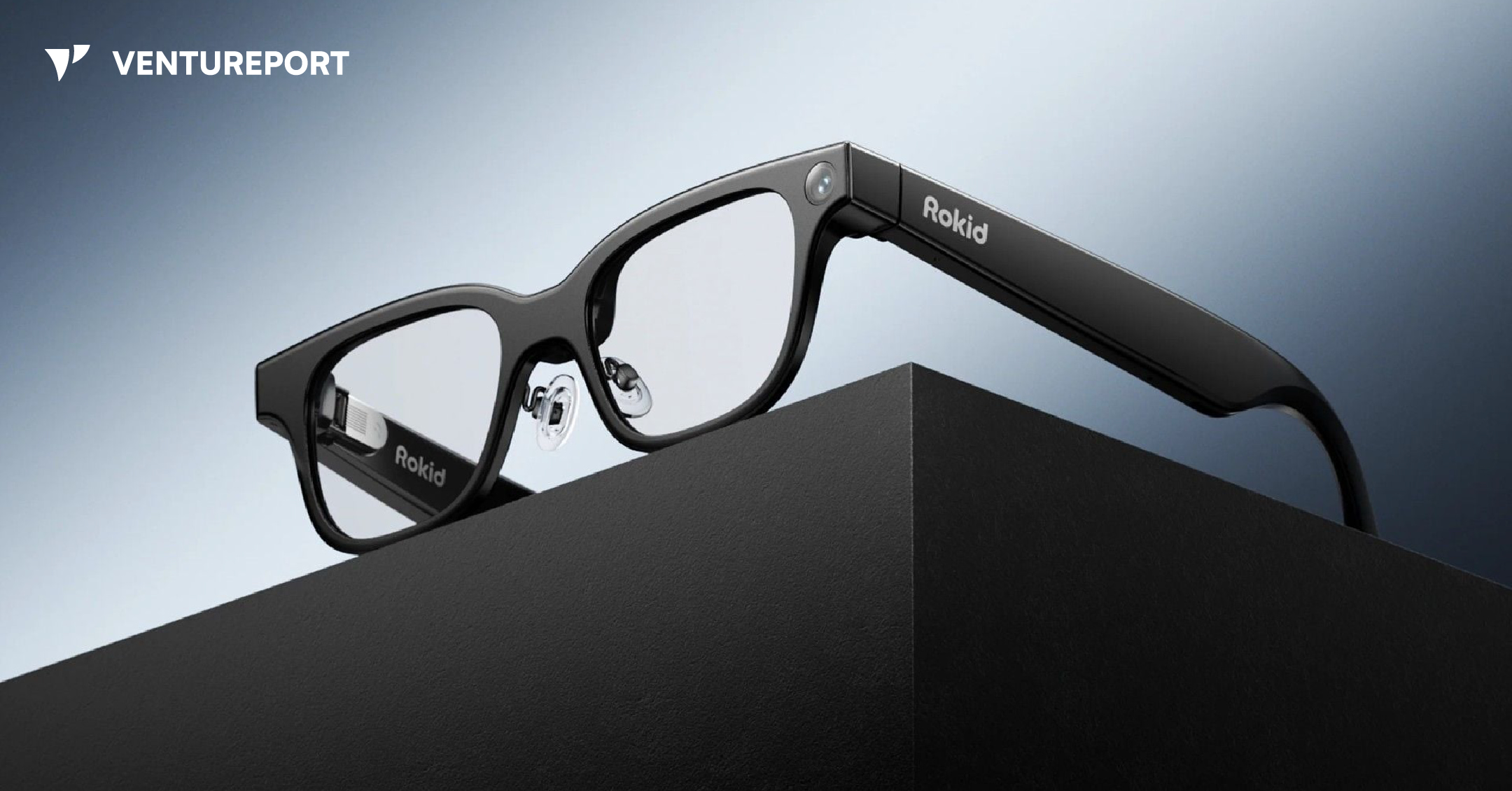
Rokid Glasses, a pair of AR glasses from Rokid. PHOTO: ROKID
Rokid has reached a significant crowdfunding milestone in Taiwan. Its Rokid Glasses campaign surpassed NT$62 million in pre-order funding on zeczec, Taiwan’s creative-oriented crowdfunding platform. The campaign ranked No. 1 across all categories on the platform in 2025 and entered the Top 10 funded campaigns in zeczec’s history, setting new records for AI and XR-related projects.
The campaign launched on October 28 and became one of the platform’s most prominent technology initiatives of the year. According to the company, the outcome followed growing visibility for Rokid Glasses after product showcases in New York, Berlin, Singapore and Paris, positioning the Taiwan campaign within a broader international rollout.
The crowdfunding achievement coincided with Rokid’s official market entry in Taiwan. On December 10, the company debuted Rokid Glasses locally, introducing the product to media, partners and early users in the region. The Taiwan launch mirrored earlier international events and connected the online crowdfunding campaign with a physical market presence.
Rokid Glasses combine augmented reality displays with built-in AI functions, including real-time multilingual translation, live transcription, navigation, object recognition and voice assistance. These capabilities were central to how the product was presented during both the crowdfunding campaign and the Taiwan launch, without framing the project as a traditional consumer electronics release.
The Taiwan campaign builds on Rokid’s prior crowdfunding history. The company previously raised more than US$4 million on Kickstarter, where Rokid Glasses became the highest-funded XR wearable project on the platform. The zeczec campaign extends that track record into one of Asia’s most established consumer electronics markets.
“Taiwan has one of the world's most mature and discerning consumer electronics markets”, said Said Justo Chang, Head of Global Channels at Rokid. “Reaching the top of Taiwan's crowdfunding platform is a great commercial achievement. We are excited to finally introduce Rokid Glasses to Taiwan”.
More broadly, the campaign highlights how crowdfunding platforms continue to function as launch and distribution channels for emerging AI and XR hardware. In Rokid’s case, product rollout, market entry and public participation converged within a single campaign, marking a notable moment for AI-enabled wearables in Taiwan’s technology landscape.