
The CE approval opens Europe for Cornerstone Robotics as the company expands its global surgical robotics business
Updated
August 10, 2026 5:56 PM

A tray of surgical tools. PHOTO: UNSPLASH
As surgical robotics companies expand beyond domestic markets, regulatory approvals are becoming a critical part of global growth. Companies are no longer competing only on hardware and clinical performance. They are also competing on their ability to enter tightly regulated healthcare systems and build long-term hospital partnerships.
Hong Kong-based Cornerstone Robotics is now moving further into that phase of expansion after its Sentire Endoscopic Surgical System received CE Mark certification under the European Union’s Medical Device Regulation framework.
The approval allows the company to commercialize the system across European markets for minimally invasive procedures in general surgery, gynecology, thoracic surgery and urology. For surgical robotics companies, regulatory approvals often represent more than product validation. They also determine market access, hospital adoption opportunities and long-term commercial scale.
Cornerstone Robotics has already been building clinical operations in the UK ahead of the approval. Since 2025, the company has worked with Portsmouth Hospitals University NHS Trust on clinical investigations involving the Sentire Surgical System. According to the company, the system has been used across procedures involving urology, gynecology and gastrointestinal surgery. The company says the clinical investigation helped generate real-world data to support physician training, research and future adoption efforts.
Alongside the regulatory approval, Cornerstone Robotics is also expanding its local operations in Europe. The company established a UK subsidiary in 2025 and has been developing training, clinical support and after-sales service capabilities for hospitals using the system.
That operational buildout reflects a larger challenge inside surgical robotics. Hospitals adopting robotic systems often require ongoing clinical training, technical support and workflow integration alongside the hardware itself.
Cornerstone Robotics says its strategy centers around vertically integrated development across engineering, software, imaging and robotics systems. The company argues that this structure gives it greater control over product development, supply chain management and long-term operational stability.
Professor Samuel Au, Founder and CEO of Cornerstone Robotics, said: "Receiving CE Certification marks a major milestone in Cornerstone Robotics' evolution from a technology innovator to a global clinical solutions provider. From our first clinical investigation in Portsmouth, UK, to achieving European regulatory approval, each step of the journey reflects our commitment to proprietary innovation, product excellence, and clinical value. Looking ahead, we will continue expanding into key global markets and partnering with leading medical institutions to bring high-quality surgical robotic solutions to more physicians and patients worldwide."
The CE approval also comes several months after the company completed an oversubscribed financing round of approximately US$200 million in November 2025.
The funding and regulatory expansion together signal how surgical robotics companies are increasingly entering a more commercially focused stage of growth. Beyond research and development, companies are now investing more heavily in regulatory approvals, hospital partnerships, physician training and international operational infrastructure as competition expands across global healthcare markets.
Keep Reading
From generative AI to green energy, 15 finalist teams will take the stage after a record 390 teams entered this year's competition.
Updated
October 2, 2026 9:13 AM
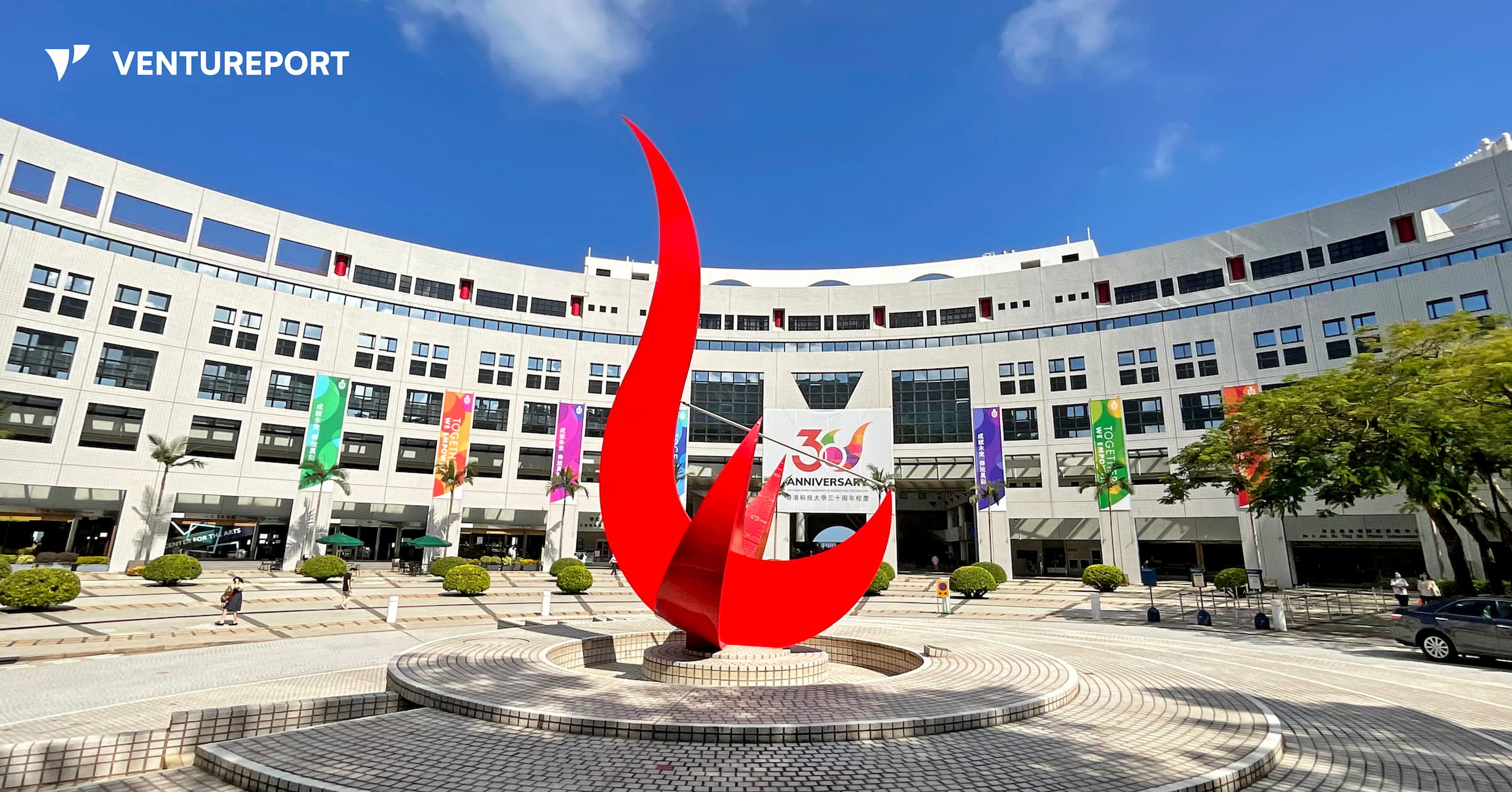
Entrance Piazza, Hong Kong University of Science and Technology. PHOTO: HKUST
The HKUST-Sino Million Dollar Entrepreneurship Competition 2026 will hold its finals on October 12, following a record 390 teams from 24 countries and regions taking part in this year's competition.
Jointly organised by the Hong Kong University of Science and Technology (HKUST) and Sino Group, the competition aims to give young entrepreneurs a platform to develop and present their ideas. Sino Group Deputy Chief Executive Officer Wong Wing-lung said the Group has partnered with HKUST for many years to support young talent and the development of innovation and technology in Hong Kong.
He said the competition gives young entrepreneurs a platform to showcase their creativity, exchange ideas and put their concepts into practice.
The international participation is reflected in the universities and regions represented this year. Participants include students from the University of Oxford in the UK, the University of Pennsylvania in the US and the National University of Singapore. Teams have also joined from Australia and South Africa.
After multiple rounds of assessment, 15 teams have advanced to the finals. Their projects cover health technology, generative AI, smart buildings, and green energy management. At the finals, the teams will present their solutions to a judging panel comprising venture capital investors, industry leaders and academic experts. They will compete for more than HK$1 million in prizes and awards.
The 2026 competition has also expanded the areas it recognises. Three new awards have been introduced this year: the Transformative AI Award, the NextGen Biotech Award and the Societal Influential Award. The competition will also continue to offer the Sustainability Impact Award. Together, the awards focus on areas ranging from emerging technologies to social and sustainability challenges.
The organisers are also adding new activities to help teams develop their ideas further. This year's programme includes pitching skills training, AI workshops, investor matching sessions and mentorship opportunities. The AI workshops will cover areas including generative AI and AI agents, while representatives from venture capital firms such as Gobi Partners and InnoAngel Fund have been invited to share insights on fundraising, product positioning and market expansion.
These activities are intended to help young entrepreneurs strengthen their business plans and presentation skills. They also give teams opportunities to explore technology commercialisation and potential market applications.
The competition will also launch the InnoBay 1M PLUS Program during the Grand Final. The programme will focus initially on Smart City Development and aims to connect HKUST start-ups and competition alumni with industry partners. It will also support potential proof-of-concept opportunities and help promising innovations move towards commercial adoption.
The Grand Final will also include an audience voting segment. Members of the public will be able to vote for the team they believe has the greatest potential and impact, with those who correctly vote for an eventual winning team entering a lucky draw.
For Wong, the competition is part of a broader effort to develop Hong Kong's innovation and technology talent. He noted that Hong Kong's first Five-Year Plan and latest Policy Address both highlight innovation, technology and talent development.
Prof. Tim Cheng Kwang-Ting, HKUST's Vice-President for Research and Development, said the competition has also served as a platform for aspiring entrepreneurs to connect with investors, understand market needs, test their ideas and gain practical entrepreneurial experience. He added that the competition has strengthened its training, mentorship and networking activities this year.
The Group believes that closer cooperation between industry, academia and research institutions can help turn innovative ideas into practical applications. Through the competition and its wider support programmes, young entrepreneurs are given opportunities to develop their ideas, connect with potential partners and explore how they can be taken from early concepts towards real-world applications.