
From AI diagnostics to exoskeletons, the event highlights how healthcare tech is moving into real-world use
Updated
May 1, 2026 2:25 PM

Tesla Bot Optimus, designed by Tesla. PHOTO: ADOBE STOCK
The China International Medical Equipment Fair 2026 will open in Shanghai from April 9 to 12 at the National Exhibition and Convention Center. It is one of the largest gatherings in the medical device industry. This year’s edition will cover more than 320,000 square metres. Nearly 5,000 companies and brands are expected to participate, representing over 20 countries and regions. Organisers also expect more than 200,000 professional visitors and buyers from around 150 markets.
A key focus this year is the growing use of artificial intelligence in healthcare. One of the headline technologies is an AI agent designed to carry out multiple diagnoses from a single scan. The exhibition will also feature diagnostic software that is already in clinical use. In addition, an integrated platform for AI training and inference will be showcased to improve computing capacity within healthcare institutions.
Robotics will also play a central role at the event. New systems across surgical procedures, rehabilitation and elderly care are expected to be presented. Together, these developments point to a steady move toward more precise and assisted forms of care. Many of these technologies are designed to support clinicians and patients, especially in tasks that require consistent accuracy or long-term physical assistance.
For the first time, the event will introduce a dedicated Future Tech Arena. It will focus on brain-computer interfaces, embodied intelligence and university-led innovation. The space will include AI-assisted MRI systems for Alzheimer’s diagnosis. It will also feature brain-computer interface technologies used for cognitive assessment and training, along with wearable robotic exoskeletons.
Alongside product showcases, the event will continue to act as a platform for international trade and collaboration. An International Zone will host exhibitors from countries such as the United States, Germany, Japan, South Korea, the United Kingdom, France, Singapore, Malaysia and Thailand. This provides a view of how different markets are approaching medical technology. It also reflects the global nature of innovation and deployment in this sector.
The programme will include a set of networking and exchange formats under its “We” initiative. These include discussion stages with representatives from consulates and industry organisations, as well as matchmaking sessions based on verified buyer demand. Guided tours will also be organised to help international visitors connect with relevant exhibitors. In parallel, organisers are working with hospital partners to provide medical support services for attendees during the event.
Across the four days, hundreds of forums are scheduled. These will bring together policymakers, researchers and industry leaders to discuss regulatory frameworks, market access and the future of healthcare innovation. Some of these sessions will be led by the Global Harmonization Working Party in collaboration with the Ministry of Health of Malaysia, with a focus on regulatory alignment and cross-border cooperation in medical devices.
As healthcare systems continue to adopt digital tools and advanced equipment, events like CMEF provide a clear view of how these technologies are being developed and applied. The scale of participation this year reflects continued activity across both innovation and international collaboration in the medical device sector.
Keep Reading
The collaboration between Oversonic Robotics and STMicroelectronics highlights how robotics is beginning to fill gaps traditional automation cannot.
Updated
January 23, 2026 10:41 AM
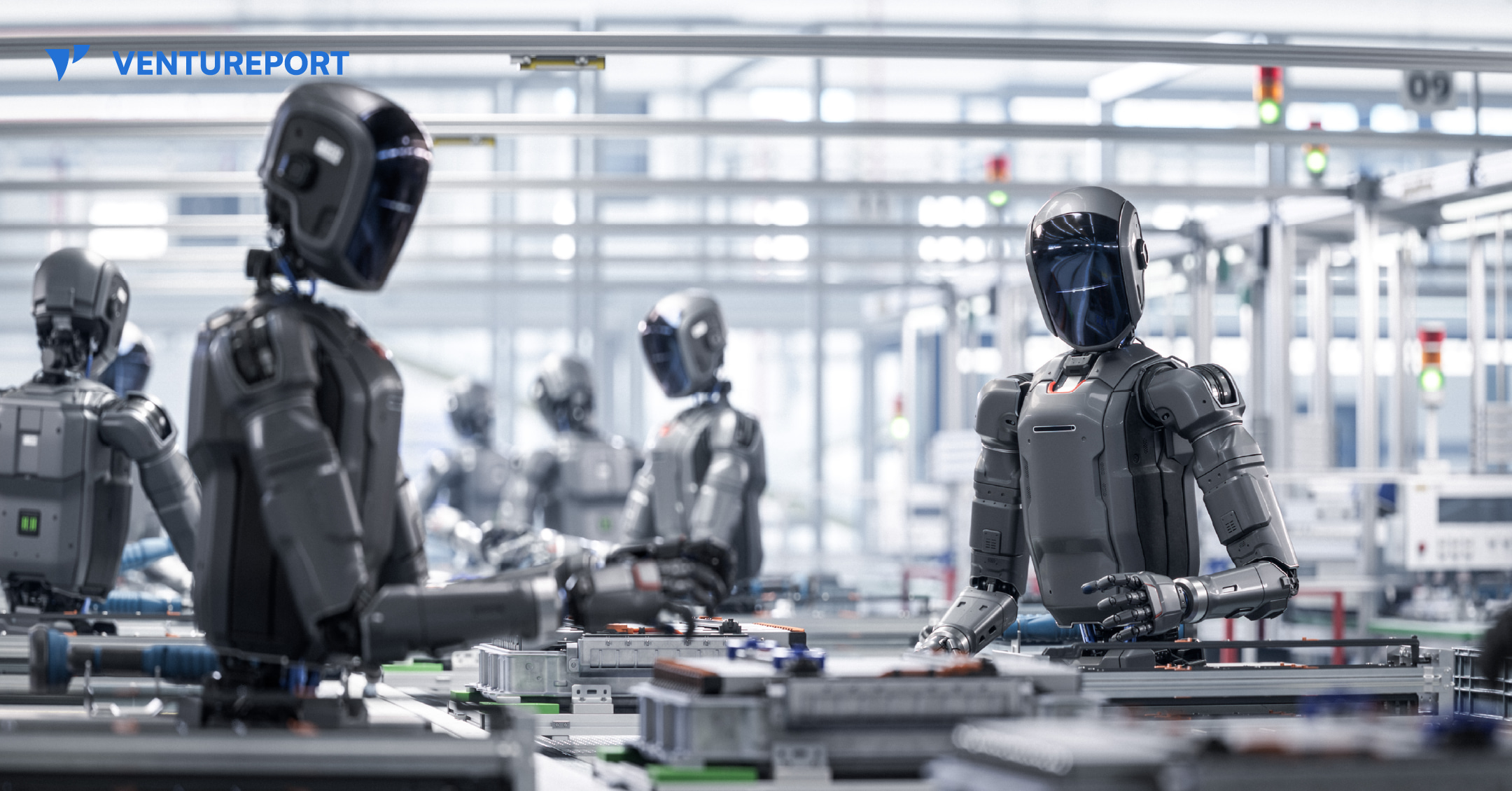
3D render of humanoid robots working in a factory assembly line. PHOTO: ADOBE STOCK
Oversonic Robotics, an Italian company known for building cognitive humanoid robots, has signed an agreement with STMicroelectronics, one of the world’s largest semiconductor manufacturers, to deploy humanoid robots inside semiconductor plants.
According to the companies, this is the first time cognitive humanoid robots will be used operationally inside semiconductor manufacturing facilities. And the first deployment has already taken place at ST’s advanced packaging and test plant in Malta.
At the center of the collaboration is RoBee, Oversonic’s humanoid robot. RoBee is designed to carry out support tasks within industrial environments, particularly where flexibility and interaction with human workers are required. In ST’s factories, the robots will assist with complex manufacturing and logistics flows linked to new semiconductor products. They are intended to work alongside existing automation systems, not replace them.
RoBee is notable for its ability to operate in environments shared with people. It is currently the only humanoid robot certified for use in both industrial and healthcare settings and is already in operation within several Italian companies. The robot is also being used in experimental hospital programs. That background helped position RoBee for deployment in tightly controlled manufacturing environments such as semiconductor plants.
Fabio Puglia, President of Oversonic Robotics, described the agreement as a milestone for deploying humanoid robots in complex industrial settings: “The partnership with STMicroelectronics is a great source of pride for us because it embodies the vision of cognitive robotics that Oversonic has brought to the industrial and healthcare markets. Being the first to introduce cognitive humanoid robots in a sophisticated production context such as semiconductors means measuring ourselves against the highest standards in terms of reliability, safety and operational continuity. This agreement represents a fundamental milestone for Oversonic and, more generally, for the industrial challenges these new machines are called to face in innovative and highly complex environments, alongside people and supporting their quality of work”.
From STMicroelectronics’ side, the use of humanoid robots is framed as part of a broader effort to manage growing manufacturing complexity. he company said RoBee will support complex tasks and help manage the intricate production flows required by newer semiconductor products. It is also expected to contribute to improved product quality and shorter manufacturing cycle times. The robots are designed to integrate with existing automation and software systems, helping improve safety and operational continuity.
In semiconductor manufacturing, precision and reliability leave little room for experimentation. Therefore, introducing humanoid robots into this environment signals a practical shift. It shows how robotics is starting to fill gaps that traditional automation has struggled to address.