
From AI diagnostics to exoskeletons, the event highlights how healthcare tech is moving into real-world use
Updated
May 1, 2026 2:25 PM

Tesla Bot Optimus, designed by Tesla. PHOTO: ADOBE STOCK
The China International Medical Equipment Fair 2026 will open in Shanghai from April 9 to 12 at the National Exhibition and Convention Center. It is one of the largest gatherings in the medical device industry. This year’s edition will cover more than 320,000 square metres. Nearly 5,000 companies and brands are expected to participate, representing over 20 countries and regions. Organisers also expect more than 200,000 professional visitors and buyers from around 150 markets.
A key focus this year is the growing use of artificial intelligence in healthcare. One of the headline technologies is an AI agent designed to carry out multiple diagnoses from a single scan. The exhibition will also feature diagnostic software that is already in clinical use. In addition, an integrated platform for AI training and inference will be showcased to improve computing capacity within healthcare institutions.
Robotics will also play a central role at the event. New systems across surgical procedures, rehabilitation and elderly care are expected to be presented. Together, these developments point to a steady move toward more precise and assisted forms of care. Many of these technologies are designed to support clinicians and patients, especially in tasks that require consistent accuracy or long-term physical assistance.
For the first time, the event will introduce a dedicated Future Tech Arena. It will focus on brain-computer interfaces, embodied intelligence and university-led innovation. The space will include AI-assisted MRI systems for Alzheimer’s diagnosis. It will also feature brain-computer interface technologies used for cognitive assessment and training, along with wearable robotic exoskeletons.
Alongside product showcases, the event will continue to act as a platform for international trade and collaboration. An International Zone will host exhibitors from countries such as the United States, Germany, Japan, South Korea, the United Kingdom, France, Singapore, Malaysia and Thailand. This provides a view of how different markets are approaching medical technology. It also reflects the global nature of innovation and deployment in this sector.
The programme will include a set of networking and exchange formats under its “We” initiative. These include discussion stages with representatives from consulates and industry organisations, as well as matchmaking sessions based on verified buyer demand. Guided tours will also be organised to help international visitors connect with relevant exhibitors. In parallel, organisers are working with hospital partners to provide medical support services for attendees during the event.
Across the four days, hundreds of forums are scheduled. These will bring together policymakers, researchers and industry leaders to discuss regulatory frameworks, market access and the future of healthcare innovation. Some of these sessions will be led by the Global Harmonization Working Party in collaboration with the Ministry of Health of Malaysia, with a focus on regulatory alignment and cross-border cooperation in medical devices.
As healthcare systems continue to adopt digital tools and advanced equipment, events like CMEF provide a clear view of how these technologies are being developed and applied. The scale of participation this year reflects continued activity across both innovation and international collaboration in the medical device sector.
Keep Reading
ICBC Asia's new competition gives Hong Kong students a chance to test their fintech ideas beyond the classroom.
Updated
October 2, 2026 9:16 AM
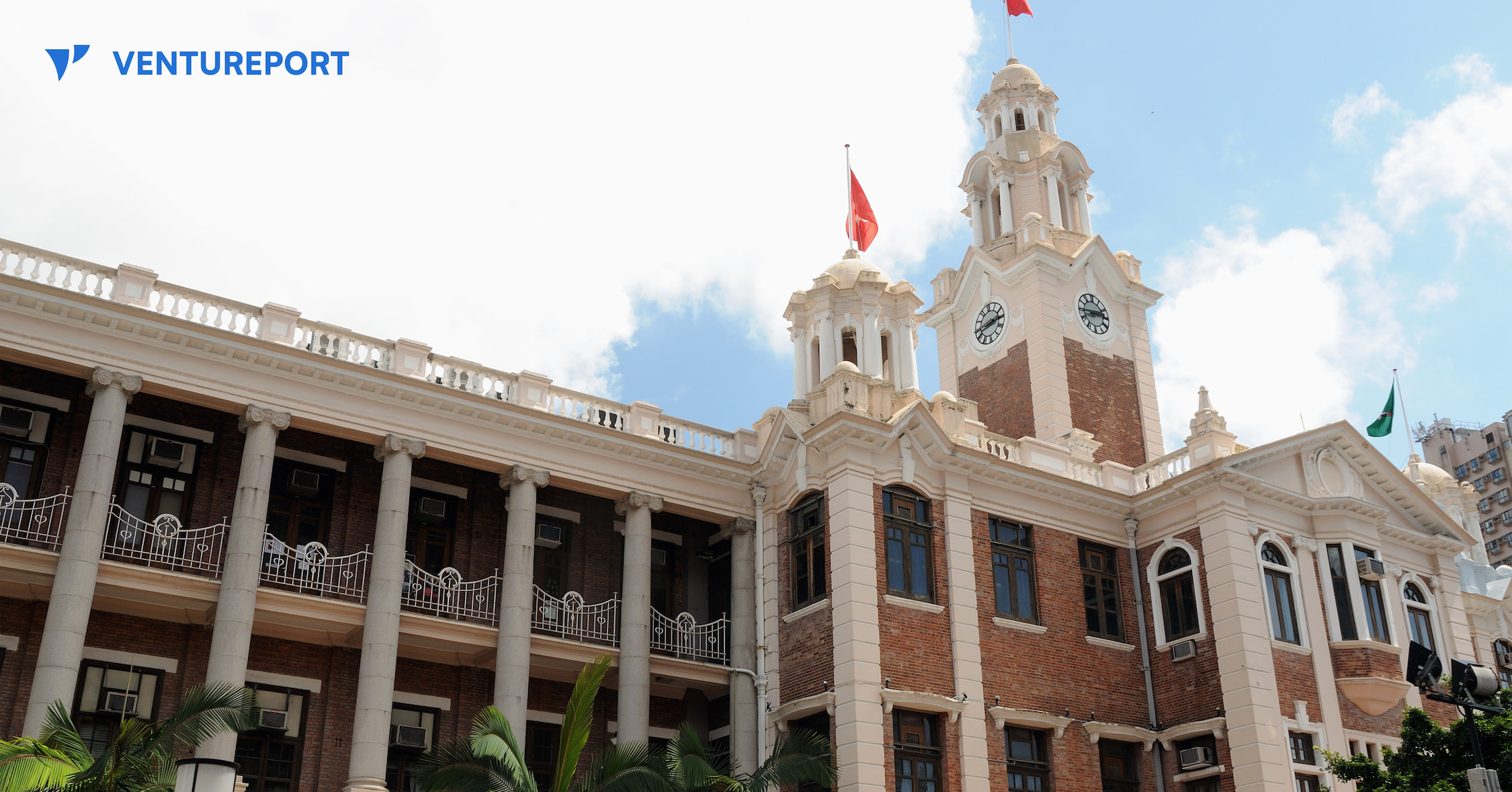
Main Building of the University of Hong Kong. PHOTO: ADOBE STOCK
Hong Kong university students are being invited to take part in the first Hong Kong University Students Fintech Innovation Competition, organised by Industrial and Commercial Bank of China (Asia). The competition gives students a chance to develop ideas around financial technology, with cash prizes, internship opportunities and a route to the national finals of the ICBC Cup on offer.
The competition is part of the 17th ICBC Cup and marks the first time ICBC has established a competition zone in Hong Kong. It is supported by the Financial Services and the Treasury Bureau and the Hong Kong Monetary Authority, with 12 Hong Kong universities also backing the initiative.
The participating universities are the University of Hong Kong, the Chinese University of Hong Kong, Hong Kong University of Science and Technology, Hong Kong Polytechnic University, City University of Hong Kong, Hong Kong Baptist University, Hong Kong Metropolitan University, Lingnan University, Hong Kong Shue Yan University, the Education University of Hong Kong, Hang Seng University of Hong Kong and St. Francis University.
For ICBC Asia, the competition is also intended to support the development of fintech in Hong Kong and expand the city's fintech talent pool. Dr. Liu Yagan, Chairman and Executive Director of Industrial and Commercial Bank of China (Asia), said the competition is designed to encourage students to develop practical applications for financial technology and explore new banking business models.
"This competition encourages university students across Hong Kong to propose practical solutions for fintech applications and banking business model innovation from the perspective of financial products and services, providing a platform for Hong Kong youth to connect with cutting-edge industries and unleash their innovative potential."
The initiative will also connect Hong Kong students with the wider ICBC Group. Liu said this would help deepen exchanges between young talent in Hong Kong and the Mainland.
The competition is open to full-time university students in Hong Kong and carries the theme "Digital Banking, Creating the Future." Students can develop ideas across 10 areas, ranging from fintech and digital finance to green finance, inclusive finance, pension finance and wealth management. The categories also include financial security services, specialised financial services, youth services and open innovation services.
The competition also offers cash prizes: the First Prize winner will receive HK$50,000; two Second Prize winners will receive HK$30,000 each; three Third Prize winners will receive HK$20,000 each; and four Honorable Mention recipients will receive HK$10,000 each.
Beyond the prize money, qualifying winners will have the opportunity to undertake internships at ICBC (Asia). The team that wins the Hong Kong First Prize will also have the opportunity to travel to Beijing in December for the ICBC Cup national finals, where it will compete against teams from across the country.
With registration now open, the competition gives Hong Kong university students an opportunity to take ideas in financial technology from the classroom into areas such as banking products, services and business models.